The global display industry stands at a pivotal juncture, marked by a monumental leap in manufacturing scale and technological ambition. The advent and maturation of 10.5th and 11th generation TFT-LCD production lines represent not merely an incremental step, but a foundational shift in the economics and capabilities of large-area display production. These colossal "mother glass" substrates, measuring 3370x2940mm (G10.5) and even larger, are redefining the boundaries of efficiency, cost, and app
The global display industry stands at a pivotal juncture, marked by a monumental leap in manufacturing scale and technological ambition. The advent and maturation of 10.5th and 11th generation TFT-LCD production lines represent not merely an incremental step, but a foundational shift in the economics and capabilities of large-area display production. These colossal "mother glass" substrates, measuring 3370x2940mm (G10.5) and even larger, are redefining the boundaries of efficiency, cost, and application. This article delves into the groundbreaking progress within this elite manufacturing echelon, exploring the technological drivers, strategic market impacts, evolving application frontiers, and the complex competitive dynamics that are reshaping the entire panel landscape. We will uncover how these giant fabs are becoming the engines of a new display era.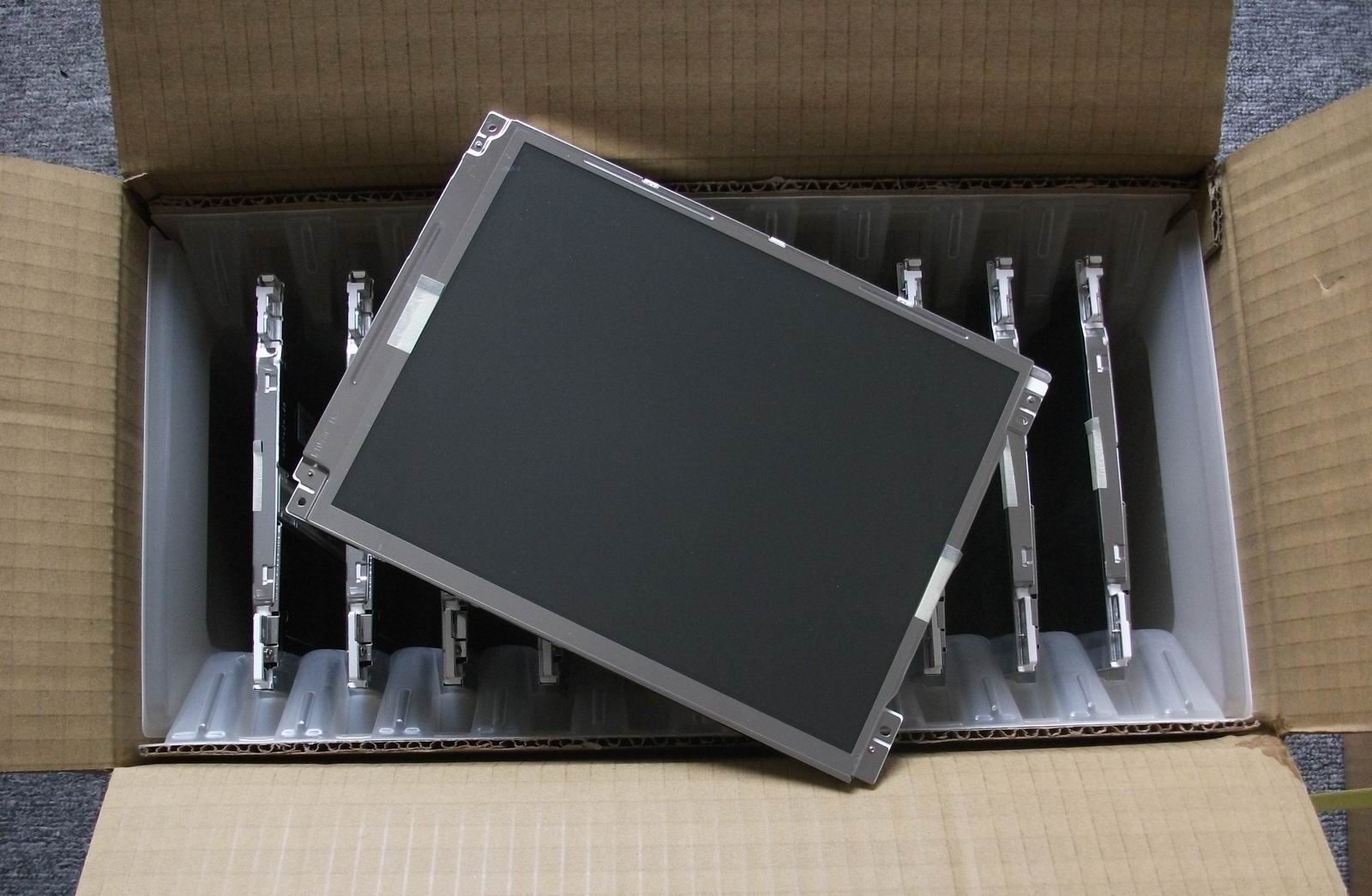
The Engineering Marvel: Scaling the Glass Frontier
The core achievement of Gen 10.5/11 fabs is a feat of precision engineering and materials science on an unprecedented scale. Moving beyond the previous Gen 8.5 standard (2200x2500mm), the leap in substrate size is exponential, not linear. This scaling introduces profound challenges: maintaining nanometer-level uniformity across nearly 10 square meters of glass, developing robotic handling systems for these ultra-thin, fragile giants, and ensuring chemical and thermal stability during processes like deposition and etching. The photolithography equipment alone had to be radically redesigned.
Overcoming these hurdles has yielded transformative economic efficiencies. The primary advantage is a dramatic increase in mother glass utilization rate for large-sized panels. For example, a Gen 10.5 substrate can yield eight 65-inch panels with minimal waste, compared to just three from a Gen 8.5 line. This geometric efficiency directly attacks the largest cost component in display manufacturing—the material cost—making large-screen TVs and public displays significantly more cost-effective to produce. Furthermore, the consolidation of processes onto fewer, larger substrates reduces per-unit energy consumption and footprint, contributing to better overall factory economics.
Market Reshaping: The Large-Screen Domination and Supply Chain Control
The proliferation of these advanced production lines has fundamentally altered market dynamics, concentrating power and steering product trends. Initially driven by the insatiable demand for larger television screens—from 65-inch to 85-inch and beyond—the economics of Gen 10.5/11 have made large-screen LCDs the new mainstream, accelerating the obsolescence of smaller fabs for TV panel production. This has led to a strategic consolidation, with a handful of giants, primarily in China and Korea, controlling the majority of global capacity for large-sized panels.
This control extends deep into the supply chain. The scale of investment required (often exceeding $10 billion per fab) creates a high barrier to entry, securing the market position of incumbents. It also gives these panel makers greater bargaining power with suppliers of raw materials, like glass substrates and color filters, and with downstream TV brands. Consequently, the industry has evolved from a fragmented, cyclical market to a more oligopolistic structure where a few leaders can exert significant influence on pricing, technology roadmaps, and capacity planning, bringing a new, albeit fragile, stability to the sector.

Beyond Television: Unlocking New Application Horizons
While the initial impetus was television, the true potential of Gen 10.5/11 technology lies in its ability to unlock entirely new categories of display applications. The efficiency in producing large, seamless, and high-resolution panels is a key enabler for several burgeoning markets:
-
Commercial and Public Displays: The lines are ideal for manufacturing large-format digital signage, video walls for control rooms, and stunning retail displays without unsightly bezels.
-
Interactive Educational and Corporate Tools: They facilitate the production of massive, interactive whiteboards and collaborative displays for modern workplaces and classrooms.
-
Specialized Segments: The technology supports the creation of ultra-large monitors for professional graphics, simulation, and gaming, as well as innovative automotive displays that span entire dashboards.
This diversification is crucial for the long-term health of the TFT-LCD industry, providing a buffer against the volatility of the consumer TV market and creating higher-margin opportunities in the B2B and professional sectors.
The Strategic Crossroads: LCD's Zenith and the OLED Conundrum
The success of Gen 10.5/11 lines presents the industry with a strategic paradox. On one hand, they represent the pinnacle of TFT-LCD technology, pushing its economic and performance limits to levels once thought unattainable. They ensure LCD's dominance in the large-screen market for the foreseeable future due to unbeatable cost-per-area. On the other hand, this massive, sunk investment in LCD infrastructure creates inertia, potentially slowing the adoption of next-generation technologies like OLED and MicroLED for very large areas.
Manufacturers are now navigating a dual-track strategy. They are leveraging these fabs to maximize returns from the LCD super-cycle while simultaneously investing in hybrid technologies. For instance, some are deploying Mini-LED backlighting on Gen 10.5 panels to create high-end displays that rival OLED in contrast and brightness, at a lower cost for large sizes. This period is less about one technology displacing another and more about a sophisticated segmentation, where Gen 10.5/11 LCDs defend the volume large-screen territory, while OLED focuses on premium, smaller, and flexible applications.
The groundbreaking progress in 10.5th and 11th generation TFT-LCD production is a testament to industrial ambition and engineering ingenuity, solidifying LCD's economic supremacy in the large-display arena. These fabs have reshaped market power structures, unlocked novel applications beyond television, and created a new cost paradigm. As the industry stands at this strategic crossroads, these colossal production lines are not the end of an old road but the foundation for a diversified future, where their scale will continue to drive innovation in both LCD and its hybrid successors, ensuring their relevance in the display ecosystem for years to come.


