In the intricate world of electronic components, selecting the right display panel is a critical decision that can define the user experience of a final product. This article delves into a detailed analysis of the NL12880BC20-05BD, a 12.1-inch LCD panel with a resolution of 1280 x 800 pixels (WXGA). Beyond mere specifications, we will explore its technological DNA
In the intricate world of electronic components, selecting the right display panel is a critical decision that can define the user experience of a final product. This article delves into a detailed analysis of the NL12880BC20-05BD, a 12.1-inch LCD panel with a resolution of 1280 x 800 pixels (WXGA). Beyond mere specifications, we will explore its technological DNA, practical performance characteristics, and the specific application landscapes where it excels. Our goal is to provide engineers, product designers, and procurement specialists with a comprehensive understanding of how this particular display module can serve as a reliable and effective visual interface solution, balancing clarity, durability, and integration efficiency.
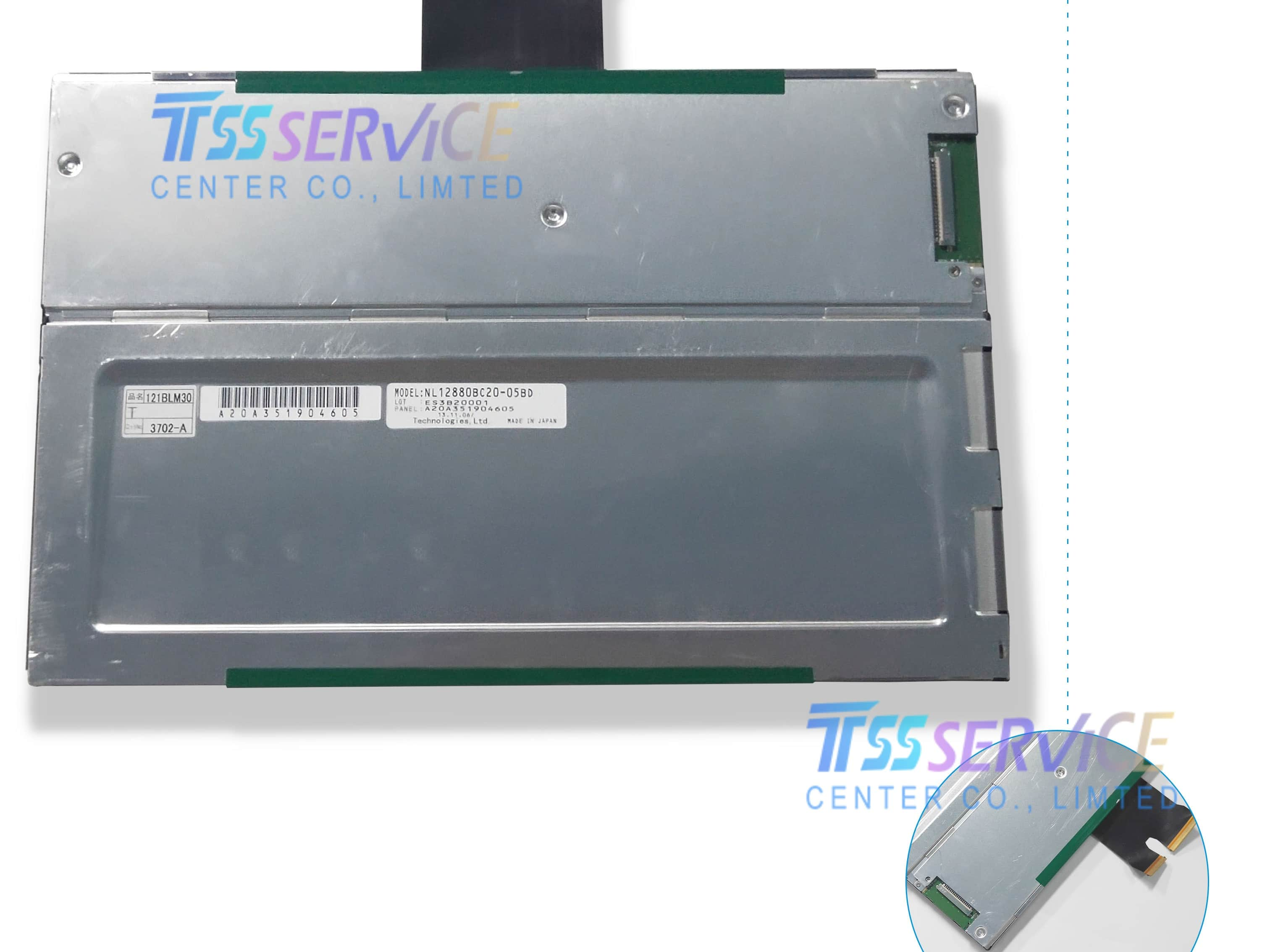
Decoding the Core Specifications: A Foundation of Clarity
At its heart, the NL12880BC20-05BD is defined by a set of core parameters that establish its baseline capabilities. The 12.1-inch diagonal screen size coupled with a 1280 x 800 WXGA resolution offers a balanced pixel density, ensuring sharp text and detailed graphics without overwhelming the system's graphical processing unit. This aspect ratio of 16:10 is a notable advantage over more common 16:9 panels, providing extra vertical space that is highly valued in industrial, medical, and point-of-sale applications for viewing documents, data streams, or complex control interfaces.
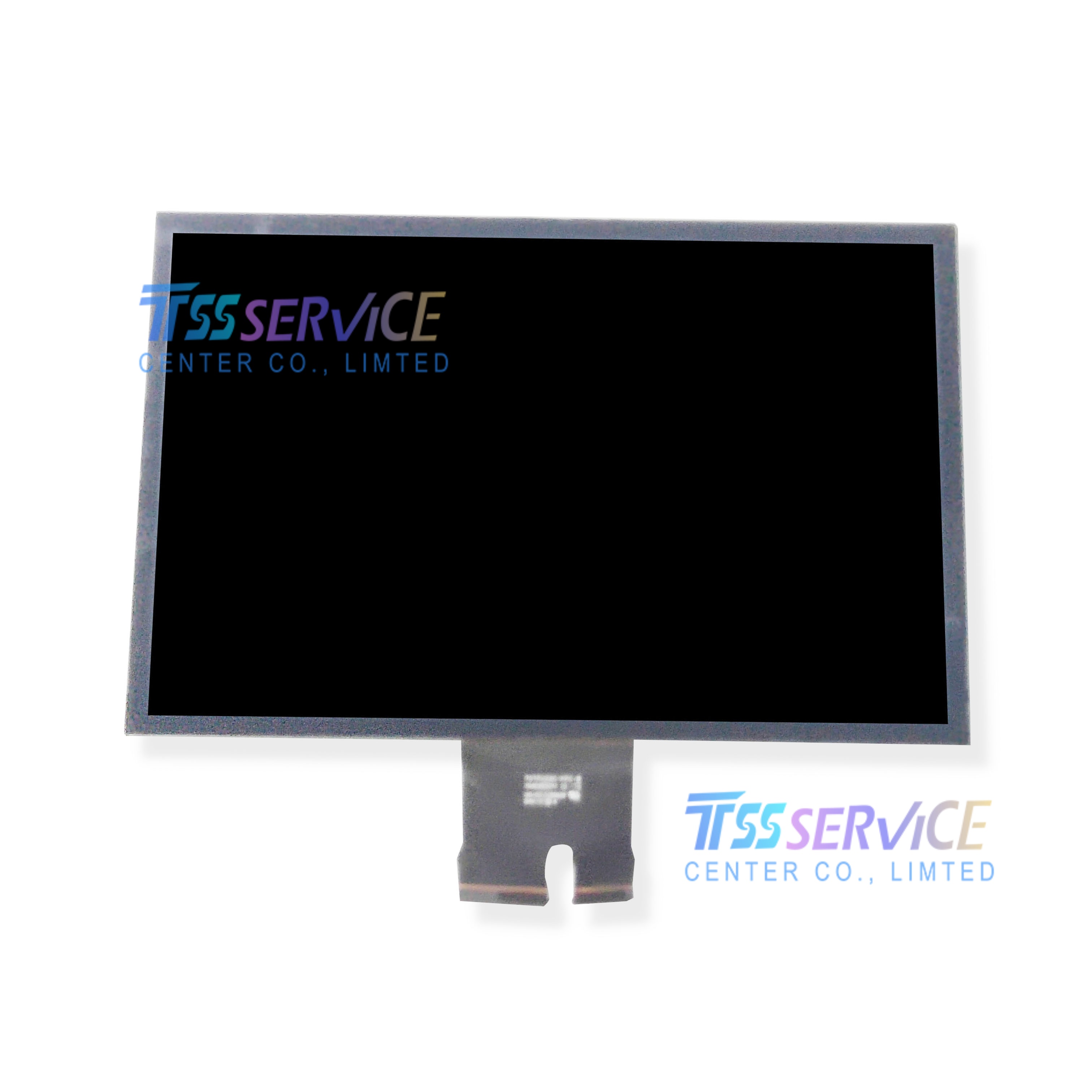
Further examination reveals critical interface and power details. Typically utilizing an LVDS (Low-Voltage Differential Signaling) interface, this panel ensures robust data transmission with minimal noise interference, a staple for industrial-grade reliability. The backlight system, often LED-based, guarantees uniform brightness and long service life while maintaining energy efficiency. Understanding these foundational specs is not about memorizing numbers, but about appreciating how they converge to create a display that is fundamentally suited for prolonged, critical-use environments where consistency is non-negotiable.
Engineering for Resilience: Durability and Optical Performance
Moving beyond the datasheet, the true value of the NL12880BC20-05BD is engineered into its physical and optical resilience. This panel is designed to withstand the rigors of non-consumer environments. It often features a robust construction with a wide operating temperature range, allowing it to function reliably in settings from freezing warehouses to sunlit factory floors. The surface treatment, frequently a hard-coated or anti-glare layer, is crucial. It not only protects the screen from scratches and abrasions but also significantly reduces ambient light reflections, ensuring readability under challenging lighting conditions.
Optical performance is equally deliberate. With high brightness levels (typically measured in nits), the display remains visible in brightly lit environments. Meanwhile, a wide viewing angle technology—often IPS (In-Plane Switching) or similar—ensures color consistency and image stability even when viewed from sharp side angles. This is essential for multi-operator workstations or devices where the screen may not be directly face-on. These durability and optical features transform the panel from a simple output device into a dependable component of a larger, mission-critical system.
The Integration Blueprint: Electrical and Mechanical Considerations
Selecting a panel is only half the battle; successful integration is key. This chapter focuses on the practicalities of embedding the NL12880BC20-05BD into a product design. Electrically, designers must account for the power sequence timing, the specific LVDS signal mapping, and the backlight driver circuit. Incorrect power sequencing is a common cause of display failure, making reference to the manufacturer's detailed datasheet imperative. The interface connector type and pinout dictate the design of the mainboard's video output circuitry, requiring precise layout to ensure signal integrity.
Mechanically, integration involves careful planning. Key considerations include:
-
Mounting Method: Understanding the bezel dimensions, screw hole locations, and recommended mounting hardware to secure the panel without stressing the glass.
-
Clearance and Depth: Allocating sufficient space within the enclosure for the panel's thickness, including the driver board and backlight assembly.
-
EMI Shielding: Implementing proper grounding and shielding strategies to prevent electromagnetic interference, which is vital for products undergoing compliance certification (e.g., FCC, CE).
A proactive approach to these electrical and mechanical details prevents costly redesigns and ensures long-term operational stability.
Strategic Application Landscapes: Where This Panel Excels
The technical attributes of the NL12880BC20-05BD naturally funnel it into specific, demanding market segments. Its blend of mid-size format, high-resolution clarity, and rugged build makes it an ideal candidate for Human-Machine Interface (HMI) panels in industrial automation and process control. Here, it visualizes complex machine data and control schematics with the necessary reliability. In the medical field, it finds purpose in diagnostic equipment, patient monitoring systems, and portable carts, where the 16:10 ratio is advantageous for viewing vertical patient charts and imaging data.
Furthermore, this panel is a strong fit for transportation (e.g., in-vehicle infotainment or control systems), kiosks, and point-of-sale terminals. In these applications, resistance to temperature fluctuations, vibration, and constant operation is paramount. The panel is not typically aimed at the high-refresh-rate consumer market but rather at commercial and industrial embedded systems where longevity, readability, and stability are the primary purchasing drivers. Recognizing this fit allows product planners to align component selection with end-user demands and total cost of ownership.
The NL12880BC20-05BD 12.1-inch LCD panel stands as a testament to purpose-driven engineering, offering a robust combination of WXGA clarity, 16:10 aspect ratio productivity, and industrial-grade resilience. Its value is realized not in isolation, but through its seamless integration into systems that demand unwavering performance under demanding conditions. For professionals developing HMIs, medical devices, or ruggedized terminals, this display module provides a reliable visual foundation. Ultimately, specifying this panel is a strategic decision that prioritizes long-term operational integrity and user-centric clarity over fleeting technological trends, ensuring the end product communicates effectively and endures reliably.


