In the demanding world of industrial technology, the display is often the critical interface between complex machinery and human operators. Not just any screen can withstand the rigors of factory floors, medical equipment, or transportation systems. This article delves into the
TIANMA TM150TDSG70, a 15.0-inch industrial LCD module that exemplifies the marriage of reliability, clarity, and specialized performance. With its 1024x768 (XGA) resolution and WLED backlighting, this panel is engineered for applications where failure is not an option.
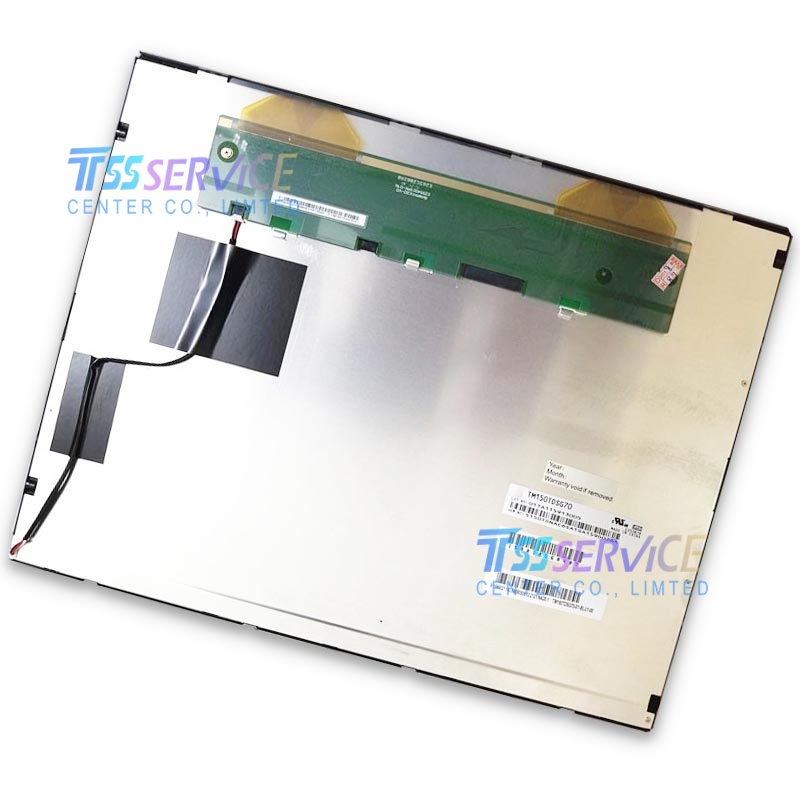
We will explore its core specifications and what makes it distinctly "industrial," analyze the advantages of its WLED backlight system, examine its typical integration challenges and solutions, and finally, survey its diverse application landscapes. This deep dive aims to provide engineers, system integrators, and procurement specialists with a comprehensive understanding of where and why the
TM150TDSG70 stands out in a crowded market of display components.
Decoding the Specifications: More Than Just a 15-Inch Screen
At first glance, the
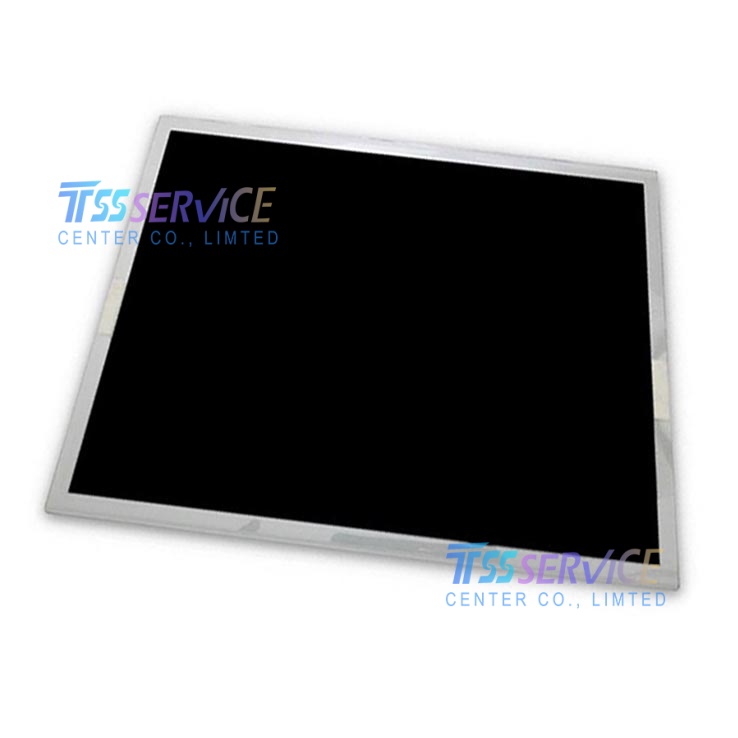
TIANMA TM150TDSG70 presents a familiar 15.0-inch diagonal with an XGA (1024x768) resolution. However, the true value lies in the details that qualify it as an
industrial-grade component. Unlike commercial monitors, this LCD is built to operate reliably across an extended temperature range, often from -20°C to 70°C, ensuring functionality in both freezing cold storage and hot industrial environments. Its longevity is measured in tens of thousands of hours, a necessity for systems that run 24/7.
The module utilizes a TFT (Thin-Film Transistor) active matrix, providing a stable image with good response times. The 1024x768 resolution, in a 4:3 aspect ratio, is particularly significant. While wider formats dominate consumer markets, the squarer 4:3 ratio remains invaluable in industrial and medical settings for displaying vertical data lists, legacy machine interfaces, or diagnostic imagery without wasteful black bars. The panel's high brightness (typically 500 nits or more) and wide viewing angles ensure readability under bright ambient light or from various positions, which is crucial for control panels.
The Illumination Advantage: WLED Backlighting Explained
The "WLED" in the product name signifies a White Light Emitting Diode backlight system, a key upgrade from older CCFL (Cold Cathode Fluorescent Lamp) technology. This shift is transformative for industrial applications. WLED backlights offer superior energy efficiency, consuming less power and generating less heat—a critical factor for enclosed systems. They also boast a significantly longer lifespan, aligning perfectly with the extended product life cycles of industrial hardware.
Furthermore, WLEDs provide a more robust physical profile. They are resistant to vibration and shock, common in manufacturing and transportation environments where CCFL tubes with their fragile glass construction would fail. The absence of mercury in WLEDs also makes the
TM150TDSG70 a more environmentally friendly and safer choice, simplifying end-of-life disposal and meeting stricter environmental regulations. The color gamut and consistency of modern WLEDs ensure that the display delivers clear, uniform white backgrounds and legible colors for status indicators and GUI elements.
Integration Considerations: From Module to Functional System
Purchasing the TM150TDSG70 is the first step; successfully integrating it into an end-product is where engineering expertise comes into play. This is a bare LCD module, requiring several supporting components. Integrators must source a compatible LCD controller board to process the video signal (typically LVDS for this model) from the host system. Power supply design is crucial, needing to provide clean, stable voltage to both the panel and the backlight driver circuit.
Mechanical integration presents another set of challenges. The module must be securely mounted, often with metal brackets, to prevent connector strain and physical damage. Careful thermal management is needed, even with efficient WLEDs, to ensure heat is dissipated within the host enclosure. Additionally, designers must select an appropriate touch solution (resistive or projected capacitive) if required, and source a ruggedized front bezel or cover glass to protect the screen from dust, moisture, and impact. Navigating this integration process is essential to unlocking the module's full potential and reliability.
Application Landscapes: Where Reliability is Paramount
The specific combination of features in the TIANMA TM150TDSG70 makes it a preferred choice across several high-stakes industries. In industrial automation and HMI (Human-Machine Interface), it serves as the primary visual interface for PLCs, controlling machinery, robotics, and process monitoring systems, where its readability and durability are vital. The medical field utilizes it in diagnostic devices, patient monitoring systems, and laboratory equipment, benefiting from its stable performance and clear display of critical data.
Beyond these, it finds a home in transportation and logistics—for in-vehicle infotainment and control systems in fleets, trains, or heavy machinery. Its wide operating temperature range is key here. Additionally, it is used in point-of-sale systems, kiosks, and specialized instrumentation. In each case, the decision to use this industrial-grade module over a commercial panel is driven by the need for unwavering performance, longevity, and the ability to operate in environments that would quickly degrade a standard consumer display.
In conclusion, the TIANMA TM150TDSG70 industrial LCD represents a specialized solution engineered for endurance and clarity in non-consumer applications. Its XGA resolution in a 4:3 format, robust WLED backlighting, and industrial-grade construction address the core challenges of system integrators across automation, medical, and transportation fields. Successfully leveraging this module requires careful attention to integration details, from controller boards to mechanical design. Ultimately, for projects where display reliability is integral to system functionality and safety, this panel stands as a proven and dependable component choice.


