In the landscape of industrial and commercial display technology, the choice of a specific LCD module often dictates the reliability, user interface quality, and longevity of the final product. The TX09D70VM1CBA, a 3.5-inch TFT-LCD panel manufactured by KOE (now part of Hitachi's legacy display division)
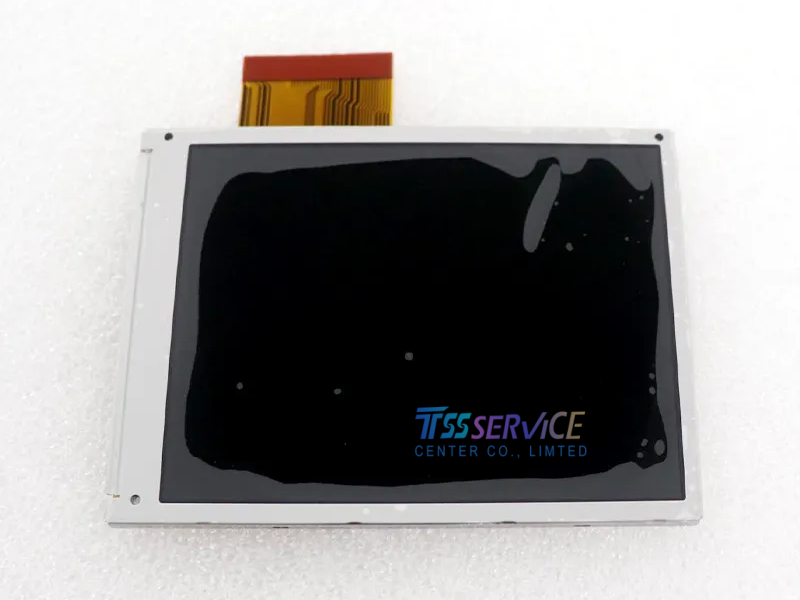
In the landscape of industrial and commercial display technology, the choice of a specific LCD module often dictates the reliability, user interface quality, and longevity of the final product. The TX09D70VM1CBA, a 3.5-inch TFT-LCD panel manufactured by KOE (now part of Hitachi's legacy display division), represents a compelling intersection of compact form factor and proven engineering. This article offers a deep, technical exploration of this specific model, moving beyond superficial specifications to analyze its architecture, operational strengths, and strategic value for embedded systems. We will dissect its 240×320 pixel resolution (QVGA), its interface requirements, and its position in a market increasingly dominated by larger, higher-resolution screens. The goal is to provide engineers, procurement specialists, and system integrators with a substantive understanding of why this module remains a relevant and robust choice for demanding applications where space, clarity, and durability are non-negotiable.
Architectural Precision: Beyond the 240×320 QVGA Resolution
At first glance, a 240×320 QVGA resolution on a 3.5-inch diagonal might seem dated by consumer electronics standards. However, dismissing this panel for that reason alone overlooks the deliberate engineering choices behind its design. The TX09D70VM1CBA utilizes a a-Si TFT (amorphous silicon thin-film transistor) active matrix, a technology chosen for its balance of cost-efficiency, manufacturing maturity, and acceptable electrical characteristics for the specified resolution. The pixel density, while not "Retina"-class, is optimized for viewing distances typical of control panels, medical device interfaces, and handheld test equipment—typically between 30 to 60 centimeters. Each of the 76,800 pixels is driven by a dedicated transistor, ensuring precise voltage control that minimizes crosstalk and ghosting. Critically, the normally white (NW) TN (Twisted Nematic) mode employed by this panel offers faster response times than many IPS variants at this price point, with typical rise/fall times in the 10-15ms range. This makes it particularly adept at displaying moving data or simple animations without perceivable smearing. The optical configuration is further refined by a standard transmissive backlight system, usually utilizing white LEDs, which delivers consistent luminance across the active area. Understanding this architecture is key: the TX09D70VM1CBA is not a budget compromise but a targeted tool built for functional clarity where raw pixel count is secondary to reliable pixel performance.
Interface and Integration: Navigating the Parallel RGB Landscape
A defining characteristic of the TX09D70VM1CBA is its reliance on a 18-bit parallel RGB interface (also known as a CPU interface or 8080-series parallel bus). This is a critical technical detail for any integration engineer. Unlike modern serial interfaces (SPI, LVDS, or MIPI DSI) that compress data streams, this parallel interface transmits red, green, and blue data simultaneously across dedicated lines. For the TX09D70VM1CBA, this typically means an 18-wire data bus (6 bits per color channel), enabling a color palette of 262,144 colors. The benefits are twofold: first, it offers inherently low latency, as the display controller can write pixel data directly to the frame buffer without the overhead of serialization and deserialization. Second, it simplifies the timing controller requirements for microcontroller-based systems without dedicated display hardware. However, this comes at the cost of more GPIO pins and careful PCB layout to manage signal integrity across the parallel lines. The module requires specific timing parameters—horizontal and vertical back porch, pulse width, and front porch—that must be precisely configured in the host controller's register settings. A common pitfall is failing to match the clock polarity (CPOL) and data phase (CPHA) for the dot clock, leading to shifted or garbled images. Mastering this interface is the gateway to unlocking the panel's full capability in a stable, production-ready embedded system.
Durability and Application: Tailored for Harsh Environments
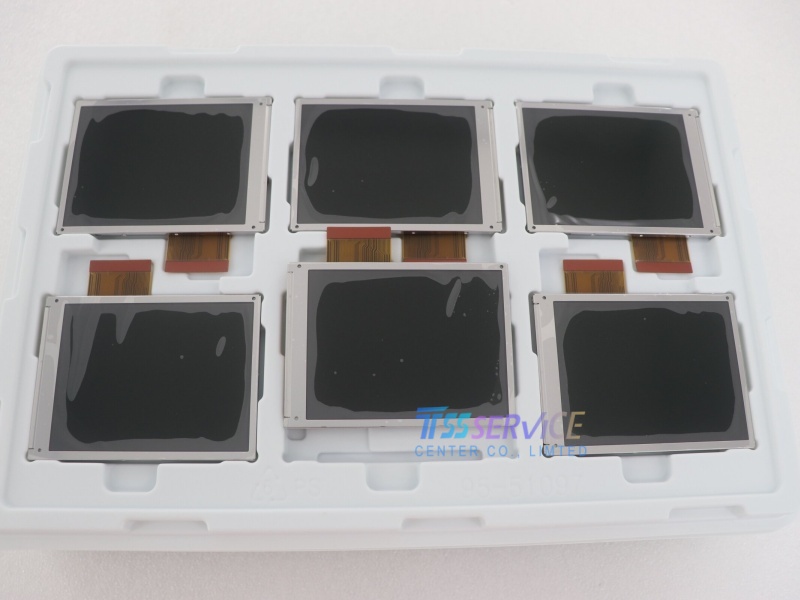
The true value proposition of the KOE/Hitachi TX09D70VM1CBA emerges when examining its construction quality and intended use cases. This panel is not designed for a smartphone; it is engineered for industrial longevity. Key indicators include its operating temperature range—typically spanning -20°C to +70°C—which allows deployment in outdoor kiosks, automotive dashboards (non-critical), and factory floor HMIs. The use of a standard TN (Twisted Nematic) liquid crystal mode provides wide enough viewing angles (commonly 70° horizontal, 50° vertical) for single-operator panels, while the LED backlight is rated for significant operational hours (often over 50,000 hours to half-brightness). Furthermore, the physical construction often incorporates reinforced mounting tabs and thinner, more shock-absorbent polarizers compared to consumer-grade panels. This makes it a strong candidate for portable medical diagnostic tools, where drop resistance and consistent grayscale reproduction are essential, or for ruggedized barcode scanners that operate in dusty, temperature-fluctuating warehouses. The combination of a simple, robust interface and a physically durable module means that a system designed around this display can have a lifecycle measured in decades, not years—a stark contrast to components driven by fast-moving consumer trends.
Market Positioning and Long-Term Viability
In a market flooded with high-resolution, low-cost panels from new manufacturers, the TX09D70VM1CBA holds a specific, defensible niche. Its continued relevance is not based on technological novelty, but on longevity, standardization, and supply chain stability. For industries like aviation, medical, and industrial automation, re-certifying a new display after product launch is prohibitively expensive. The standardized mechanical outline and electrical specifications of this Hitachi/KOE legacy design mean that replacement or second-source options (often from other reputable manufacturers) are readily available and pin-compatible. This is a form of hardware investment protection. However, engineers must be aware of potential obsolescence risks. While the parallel RGB interface is mature, fewer new microcontroller families offer native support for it, often requiring external CPLDs or FPGAs for bridging. Therefore, the strategic decision to use this panel is often tied to a long-term system architecture choice, prioritizing field-proven reliability and serviceability over the latest connectivity standards. For projects where a "fit-and-forget" display is required, and the host controller is a legacy or ultra-low-power MCU, the TX09D70VM1CBA remains a technically sound and economically sensible choice.


