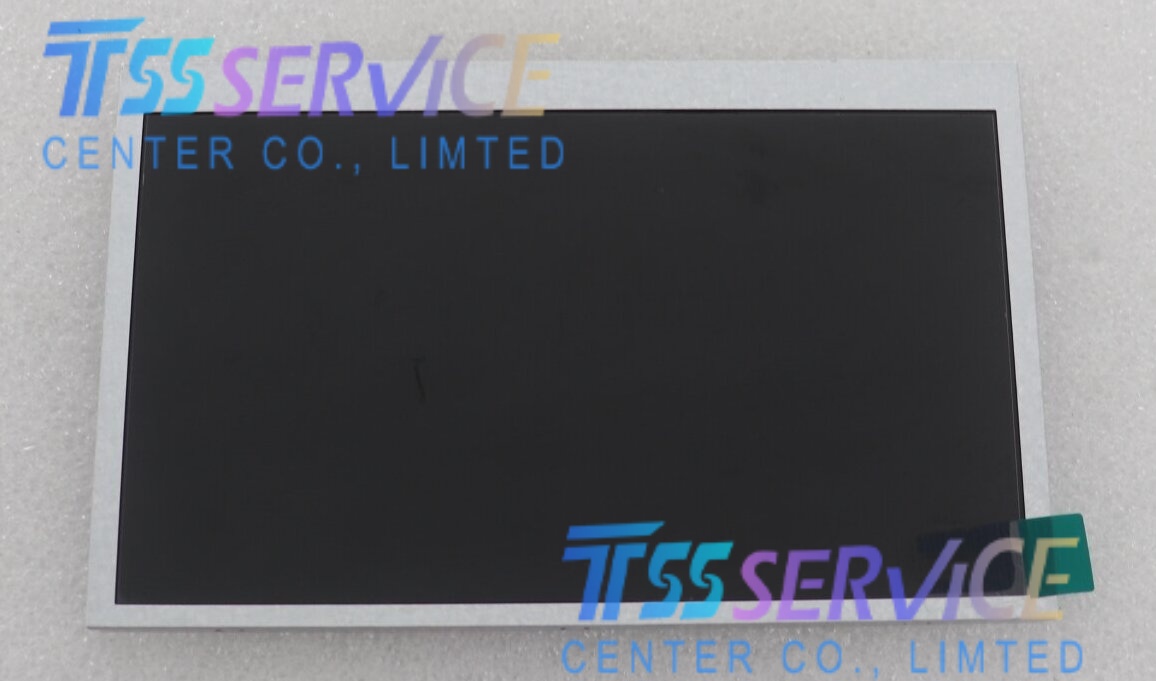
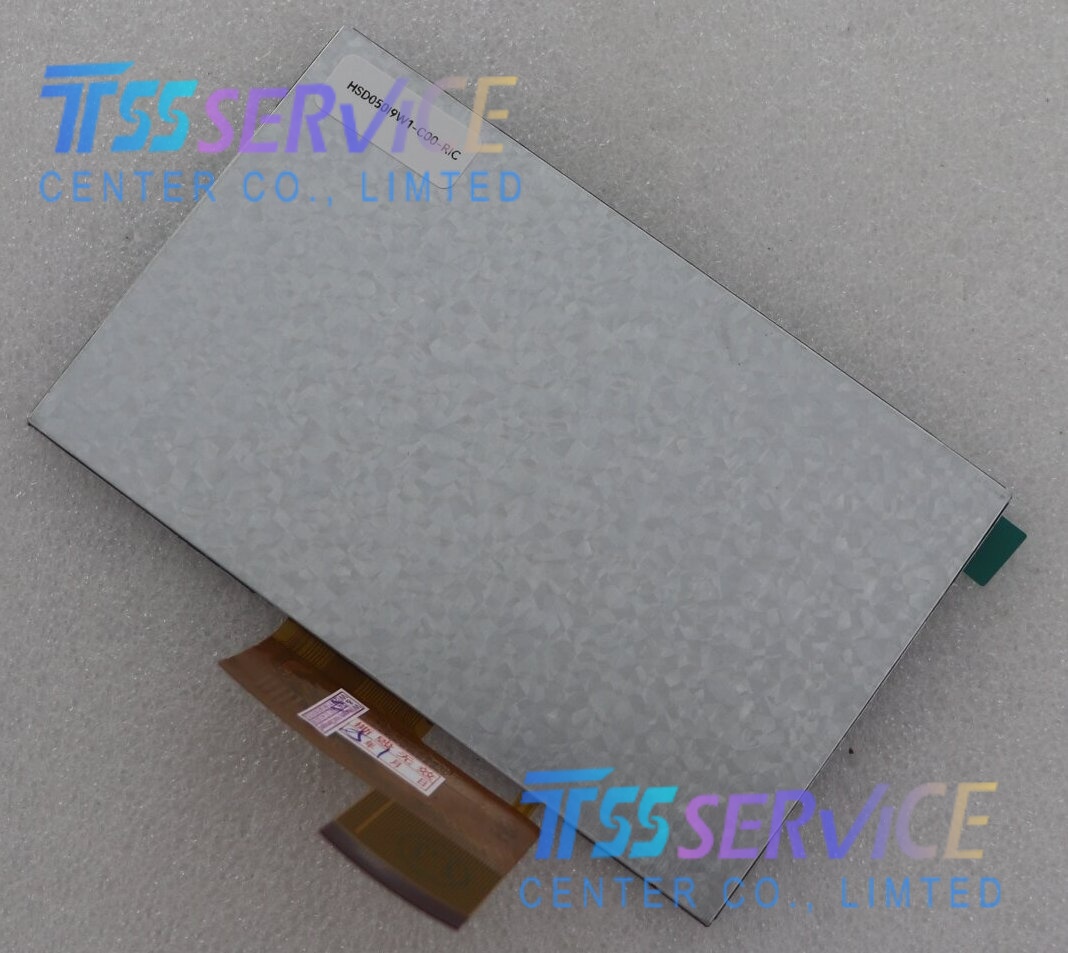
In the competitive landscape of small-to-medium-sized display modules, the HSD050I9W1-C00-RIC stands out as a highly specific engineering solution. Manufactured by HannStar Display Corporation, this 5.0-inch TFT LCD panel combines a proven 480×272 pixel resolution with a robust WQVGA (Wide Quarter Video Graphics Array) format. While the market is flooded with higher-resolution displays, this module occupies a critical niche where cost-efficiency, readability, and interface simplicity are paramount. This article provides a deep, evidence-based evaluation of the HSD050I9W1-C00-RIC, leveraging official specifications, industry application patterns, and engineering compatibility considerations.
Technical Architecture and Display Characteristics
At the core of this module is a 5.0-inch diagonally measured amorphous silicon TFT (Thin Film Transistor) active matrix. The 480×272 resolution, while modest by modern smartphone standards, offers a pixel density of approximately 112 PPI (Pixels Per Inch). For industrial and embedded environments, this is an intentional trade-off. The resulting font sizes, iconography, and graphical elements at a typical viewing distance of 30-50 cm are large enough to ensure legibility under less-than-ideal lighting or when the operator is in motion.
The display utilizes TN (Twisted Nematic) technology. This is a crucial detail for integrators. TN panels offer the fastest response times among LCD technologies—typically in the 10-25 millisecond (ms) range for this panel class. This minimizes motion blur in dynamic applications such as menu navigation, video previews, or status animation. However, the technical compromise is viewing angle. The HSD050I9W1-C00-RIC is specified at 70°/70°/50°/70° (L/R/U/D). This means the vertical viewing cone is narrow from the top, which must be accounted for in mechanical design, particularly for panels mounted above eye level.
Brightness is a defining specification. This model typically delivers 250 to 300 cd/m² (nits) of luminance. For comparison, indoor consumer monitors range from 200-350 nits. This brightness level is adequate for controlled indoor instrumentation, point-of-sale (POS) terminals, and human-machine interfaces (HMI). It is not designed for direct sunlight readability without augmentation. The contrast ratio of 500:1 (typical) ensures that black levels are deep enough for clear text separation, though it cannot match the infinite contrast of OLED or the superior blacks of high-end IPS panels.
Interface and Electrical Integration
The HSD050I9W1-C00-RIC employs a parallel 24-bit RGB interface. This is a legacy yet highly deterministic connectivity standard. From an engineering perspective, this offers two critical advantages:
-
Low Latency: Unlike serialized interfaces (e.g., LVDS, MIPI DSI) which require serialization and deserialization, the parallel RGB bus writes pixel data directly to the frame buffer. This results in near-zero added latency, essential for real-time control systems where video or graphical updates must synchronize precisely with sensor data.
-
Microcontroller Compatibility: Many mid-range and high-end MCUs (such as STM32F7, i.MX RT, and Allwinner series) include built-in parallel RGB controllers. This eliminates the need for a separate display bridge chip, reducing Bill of Materials (BOM) cost and PCB complexity.
The module operates on a typical 3.3V logic supply for the controller IC and a 10.4V to 13.2V supply for the LCD backlight (LED type). The backlight consumes roughly 180 mA to 250 mA at full brightness. Integrators must ensure clean power rails to avoid visible flicker or banding on the display image. The module also integrates a white LED backlight, which is a significant advantage over older CCFL technology in terms of longevity (rated for 30,000 to 50,000 hours) and low heat generation.
Physical Form Factor and Mechanical Constraints
The mechanical profile of this display is engineered for panel-mount integration. Key dimensions include an active area of 108.0 mm (W) x 60.8 mm (H), with an overall module outline typically measuring 120.0 mm x 76.0 mm. The thickness, excluding the backlight cable, is approximately 5.7 mm. This slim profile allows the display to be recessed into shallow bezels, a common requirement for portable medical carts, handheld test equipment, and compact panel PCs.
Critically, the HSD050I9W1-C00-RIC includes integrated mounting tabs or a metal frame (depending on the specific revision). This eliminates the need for custom, expensive adhesive frames or complex bracket machining during prototype stages. The connector is a 40-pin FPC (Flexible Printed Circuit) with a 0.5mm pitch. This requires careful handling during assembly; the FPC is the most vulnerable component on the module. An improper insertion angle or excessive force can tear traces, rendering the unit non-functional.
Ecological and Operational Durability
This display module is engineered for the industrial temperature range, typically rated -20°C to +70°C for operational use. Storage range is slightly wider, at -30°C to +80°C. This makes it a strong candidate for applications such as outdoor vending machines, cold-chain logistics terminals, and garage equipment where ambient thermal swings are common.
From a compliance and ecological standpoint, the HSD050I9W1-C00-RIC is RoHS (Restriction of Hazardous Substances) compliant. However, it does not typically carry a full IP rating. The glass surface is standard float glass; it is not chemically strengthened like Gorilla Glass. Consequently, integrators targeting rugged environments must overlay a protective cover lens or use a bonded polycarbonate shield to prevent impact damage. The module is also susceptible to moisture ingress if not sealed properly around the FPC entry point.
Comparative Positioning and Viable Alternatives
Within the 5.0-inch display ecosystem, the HSD050I9W1-C00-RIC competes directly with similar modules from Innolux (e.g., AT050TN43) and Winstar (e.g., WF50QTI). The HannStar panel often provides a superior color reproduction fidelity and a slightly wider horizontal viewing angle compared to some budget TN competitors. However, if an application demands superior vertical viewing angles or touch integration via projected capacitive (PCAP) technology, an IPS panel from Winstar or a higher-end Innolux module might be more appropriate, albeit at a higher unit cost.
The 480×272 resolution also represents a deliberate decision point. For text-heavy interfaces with dense data tables, this resolution may feel cramped. A 800×480 WVGA panel would offer 1.7x the horizontal pixel count but at a similar price point in lower volumes. Engineers should carefully assess the minimum font size required at the intended viewing distance before selecting this module.
Application-Relevant Recommendations
-
HMI Terminals: The 5.0-inch size is ideal for basic operator control panels in injection molding machines, conveyor belt controls, and packaging equipment. The parallel interface allows direct connection to Cortex-A series processors running lightweight HMI frameworks (e.g., LVGL, emWin).
-
Medical Devices: In infusion pumps, patient monitors, or diagnostic cartridges, the display’s low latency and stable backlight are critical. The industrial temperature range supports sterilization cycles and the heat from nearby power supplies.
-
Automotive Aftermarket: While not qualified to AEC-Q100 automotive stress standards, the panel can be used in non-safety-critical aftermarket products such as OBD-II scanners, TPMS monitors, and custom dashboards when installed within the cabin environment.
-
Point-of-Sale (POS): The 5.0-inch format is common for compact mobile POS terminals. The TN panel’s fast refresh rate ensures smooth transaction animations and receipt preview scrolling.
Procurement and Supply Chain Notes
As of the current market, the HSD050I9W1-C00-RIC is classified as a mature product. It is not subject to the volatile allocation cycles seen with high-resolution smartphone panels. However, this maturity also means that HannStar may prioritize production for custom automotive or medical contracts. Designers should verify stock availability with authorized distributors such as Avnet, Digi-Key, or Mouser prior to committing to a production run. The typical lead time for general distribution stock ranges from 4 to 8 weeks, but expedited sampling is often available for qualified engineering teams.
Furthermore, the module is offered with optional touch panel integration (resistive or capacitive) as a bonded assembly. Designers should specify part number variants carefully, as the non-touch and touch versions have different mechanical thicknesses and FPC routing.
Conclusion