In the intricate world of electronic design and embedded systems, the display module often serves as the critical bridge between machine intelligence and human interaction. For engineers, product designers, and procurement specialists, finding a reliable, high-performance TFT-LCD that is readily available can be a significant project bottleneck
In the intricate world of electronic design and embedded systems, the display module often serves as the critical bridge between machine intelligence and human interaction. For engineers, product designers, and procurement specialists, finding a reliable, high-performance TFT-LCD that is readily available can be a significant project bottleneck. This article delves into a specific solution that addresses this very challenge: the NL6448BC20-30F, a 6.5-inch TFT-LCD module with a resolution of 640(RGB)×480 pixels.
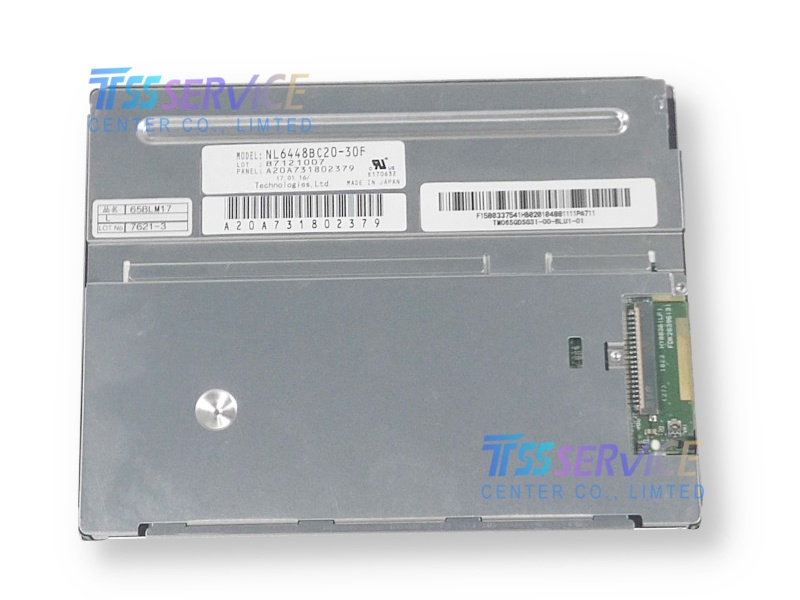
We will move beyond basic datasheet specifications to explore the technical nuances, practical integration considerations, and the strategic advantage offered by its confirmed in-stock status. This analysis aims to provide a comprehensive understanding of where and how this display excels, empowering you to make an informed decision for your next industrial, medical, or instrumentation application.
Technical Architecture and Performance Profile
The NL6448BC20-30F is built around a high-quality a-Si (amorphous Silicon) TFT panel, engineered for stability and longevity. Its 6.5-inch diagonal size and 640×480 VGA resolution strike a deliberate balance, offering clear, legible graphics and text without imposing excessive processing or cost overhead common with higher-resolution displays. The module incorporates a CCFL (Cold Cathode Fluorescent Lamp) backlighting system, known for its uniform brightness and wide operating temperature range, making it inherently suitable for environments where thermal consistency is crucial.
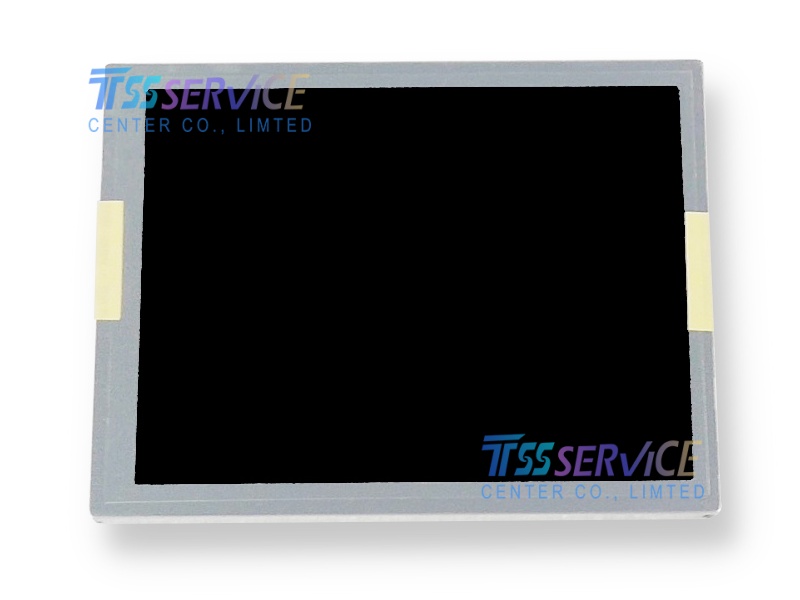
Key performance parameters define its operational envelope. With a typical brightness of 400 cd/m² and a contrast ratio of 400:1, it ensures viewability under various ambient lighting conditions. The inclusion of an LVDS (Low-Voltage Differential Signaling) interface is a significant feature; this noise-resistant digital interface allows for longer cable runs and higher data integrity compared to older parallel RGB interfaces, simplifying integration into modern system designs. This combination of mature, robust technology results in a display prized for its reliability in continuous operation.
Strategic Applications and Market Fit
The specifications of the NL6448BC20-30F are not arbitrary; they are meticulously aligned with the demands of specific industrial and professional sectors. Its VGA resolution is ideal for displaying complex human-machine interface (HMI) screens, diagnostic data, system schematics, and parameter lists where pixel-perfect clarity for smaller text and icons is essential. The robust construction and reliable CCFL backlight make it a preferred choice for medical monitoring equipment, factory automation panels, and test and measurement instruments—applications where display failure is not an option.
Furthermore, this module finds its niche in transportation, point-of-sale systems, and specialized kiosks. In these contexts, the 6.5-inch form factor is large enough to convey necessary information effectively yet compact enough to fit into space-constrained control panels. Its performance profile effectively rules it out for consumer electronics focused on ultra-high definition but firmly establishes it as a workhorse in B2B and critical embedded systems where durability and clarity trump sheer pixel count.
Integration Essentials and Design Considerations
Successfully integrating the NL6448BC20-30F into a product requires attention to several practical aspects beyond the electrical interface. Designers must account for the mechanical footprint, including the mounting hole positions and the bezel area, to ensure a proper fit within the enclosure. The LVDS interface necessitates a compatible controller on the host system's side; understanding the pinout and signal timing is paramount. Power sequencing for both the logic board and the CCFL inverter must adhere to specifications to prevent latent damage.
Thermal management is another critical consideration. While CCFL backlights generate more heat than modern LEDs, they also tolerate a wider temperature range. Ensuring adequate ventilation around the module, especially the inverter, prolongs component life. Additionally, designers should evaluate the optical performance: selecting the appropriate anti-glare treatment for the surface glass and considering the viewing angle characteristics (typically 70/70/50/60 degrees for Left/Right/Up/Down) for the intended user's position.
The Critical Advantage of "In-Stock" Availability
In today's global supply chain climate, a component's technical merits can be entirely negated by its procurement lead time. The confirmed in-stock status of the NL6448BC20-30F transforms it from a mere component into a strategic asset. For companies managing production lines, launching new products, or maintaining legacy systems, this availability mitigates substantial risk. It prevents project delays, avoids costly redesigns due to part obsolescence or allocation, and ensures smoother inventory management and forecasting.
This availability signifies more than just immediate shipment. It often reflects a stable, mature supply chain and manufacturer commitment, suggesting long-term support. For industries like medical device manufacturing or industrial control, where product lifecycles are long and certification processes are rigorous, the ability to source a key display module reliably for years is invaluable. It provides peace of mind and allows engineering teams to focus on innovation elsewhere in the system.
The NL6448BC20-30F 6.5-inch TFT-LCD module exemplifies how a well-executed, mature display technology continues to deliver immense value in professional applications. Its balanced VGA resolution, robust LVDS interface, and reliable CCFL backlight design make it a technically sound choice for demanding embedded systems. Crucially, its immediate availability provides a tangible competitive edge, reducing time-to-market and supply chain uncertainty. For engineers seeking a dependable display solution that combines proven performance with procurement confidence, this module stands as a compelling and strategically intelligent selection.


