In the realm of industrial automation, the interface between human operators and complex machinery is paramount. While processors and sensors often steal the spotlight, the display panel serves as the critical window through which data is visualized and control is executed.
In the realm of industrial automation, the interface between human operators and complex machinery is paramount. While processors and sensors often steal the spotlight, the display panel serves as the critical window through which data is visualized and control is executed. The LAM0703554C 7 Inch LCD Panel represents a specific, yet vital, component in this ecosystem. Designed not for consumer aesthetics but for relentless operational demands, this screen is a study in engineering precision. This article delves beyond the basic specifications to explore why this particular 7-inch module has become a cornerstone for equipment manufacturers. We will dissect its structural integrity, analyze its optical performance under harsh conditions, and evaluate its role in reducing total cost of ownership. The goal is to provide a comprehensive understanding of what makes a seemingly simple industrial LCD a linchpin for reliability and efficiency in factories, medical facilities, and outdoor kiosks.
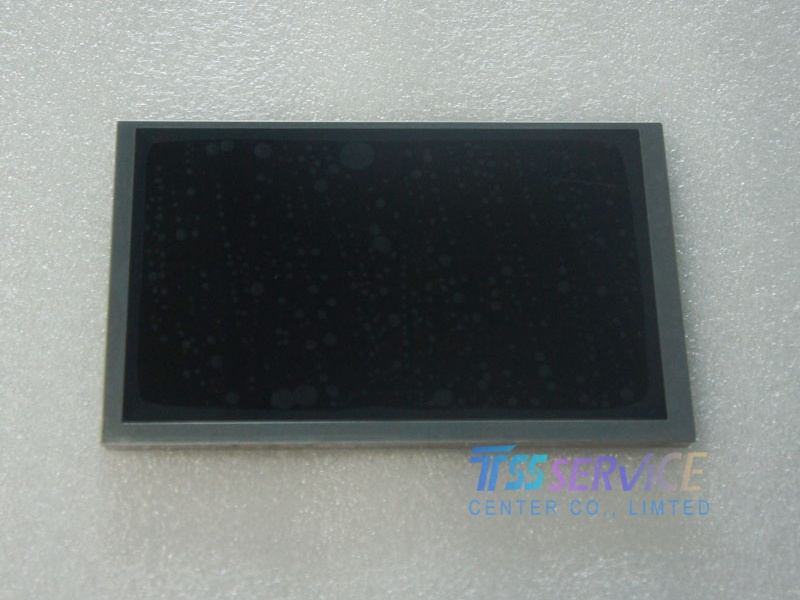
Architectural Resilience: Engineering for the Factory Floor
The first and most critical distinction of the LAM0703554C lies not in its image quality, but in its structural design. Unlike commercial-grade screens that prioritize slim profiles, this panel is built for mechanical robustness. It typically features a reinforced metal frame and robust mounting brackets designed to withstand continuous vibration from adjacent machinery.
Key structural attributes include:
-
Wide Temperature Range: Certified for operation in extreme environments, often rated from -20°C to +70°C, ensuring functionality in unheated warehouses or sun-exposed control panels.
-
High Vibration Resistance: The internal components are secured and soldered with industrial-grade techniques to prevent failure from constant shaking or shock impacts.
-
Extended Lifespan Design: Backlight units are engineered for 50,000 to 70,000 hours of continuous operation, significantly surpassing consumer TV or monitor standards.
This resilience directly translates to reduced downtime. When a display fails, production lines halt. The LAM0703554C is purpose-built to run 24/7, handling the thermal stress and physical abuse of a factory floor that would quickly degrade a standard monitor. For an integrator, choosing this panel means creating a system that survives the warranty period and beyond, protecting the end user’s capital investment.
Optical Clarity Under Duress: Visibility Beyond the Spec Sheet
A screen is only as good as its readability when it matters most. The LAM0703554C 7 Inch LCD excels in optical performance tailored for high-ambient-light environments. The standard 1024x600 resolution on a 7-inch diagonal provides a crisp pixel density of approximately 170 PPI, which is more than adequate for displaying control menus, trend graphs, and diagnostic data without eye strain.
However, the true differentiator is its approach to luminance and viewing angles:
-
High Brightness (nits): Typically rated at 800 cd/m² or higher, this panel is designed to overcome glare from overhead factory lighting or direct sunlight in outdoor kiosks. A consumer screen at 250-300 nits would be invisible in such conditions.
-
IPS or TN Technology: Depending on the specific variant, it often utilizes IPS (In-Plane Switching) technology. This ensures color consistency and contrast retention even when operators are viewing the screen from extreme left or right angles—common when a panel is mounted in a recessed console.
-
Optical Bonding Options: For outdoor applications, the LAM0703554C supports optical bonding, where a layer of resin is applied between the LCD cell and the protective cover glass. This eliminates the air gap, drastically reducing internal reflections and preventing fogging due to condensation.
This optical engineering ensures that alarms are visible, data is readable, and operational decisions are based on clear information, regardless of the lighting challenge.
Interface Integration and Signal Integrity
Moving from the physical to the electrical, the LAM0703554C features an interface architecture that prioritizes stability and compatibility with legacy and modern industrial systems. The most common interface for this panel is LVDS (Low-Voltage Differential Signaling), a standard that has dominated the industrial sector for its robustness over long cable runs.
Key integration considerations include:
-
Signal Purity: LVDS inherently rejects electrical noise, a crucial feature on a factory floor filled with motors, inverters, and switchgear that generate electromagnetic interference (EMI). This ensures a flicker-free, stable image.
-
Standard Pin-Outs: The panel is designed with common 20-pin or 30-pin LVDS connectors, making it a drop-in replacement for many existing designs or a straightforward starting point for new projects.
-
Driver Board Compatibility: Because it is a raw panel (not a monitor), it requires a separate driver board with a VGA, DVI, or HDMI input. This modularity allows engineers to select a controller that matches the specific CPU or motherboard of their system, optimizing performance and cost.
This focus on standard interfaces reduces development risk. Engineers do not need to design custom cabling or spend weeks debugging exotic connector types. Furthermore, the robust nature of the LVDS signal chain means that data corruption—which could cause a machine to misread a critical parameter—is virtually eliminated.
Total Cost of Ownership: Why Choosing the Right Panel Matters
The final and most compelling argument for the LAM0703554C is its impact on the Total Cost of Ownership (TCO) over the lifecycle of an industrial machine. The purchase price of the panel is a fraction of the overall cost; the real savings come from longevity and reliability.
Analyzing the long-term value:
-
Reduced Replacement Cycles: With a backlight lifespan often exceeding 50,000 hours, a machine running 12 hours a day, 7 days a week, can operate for over 11 years without a display failure. This eliminates the labor and downtime costs associated with swapping out a consumer-grade screen every 2-3 years.
-
Logistical Simplicity: Because this is an industry-standard 7-inch form factor with a common mounting pattern, sourcing a replacement or scaling production is straightforward. Manufacturers can stock a single SKU across multiple product lines.
-
Warranty and Support: Reputable manufacturers of the LAM0703554C provide extended warranty periods and dedicated technical support, offering peace of mind that a failed component won't leave a customer's production line stranded.
By investing in an industrial-grade component like this, the manufacturer builds a reputation for reliability. The end customer sees a machine that "just works" for years, which directly translates to repeat business and brand loyalty.
Conclusion
The LAM0703554C 7 Inch LCD Panel is far more than a simple display; it is a carefully engineered subsystem designed for the harshest operational environments. From its rugged mechanical construction and vibration resistance to its high-brightness optical performance and reliable LVDS interface, every aspect is tuned for longevity and clarity. Choosing this panel represents a strategic investment in uptime and system integrity, directly reducing the total cost of ownership over the life of a machine. For engineers and procurement professionals, understanding these deeper attributes is essential for building equipment that performs reliably year after year. Ultimately, the quiet reliability of this screen ensures that industrial processes remain visible, controllable, and profitable.


