In the demanding landscape of industrial automation and human-machine interaction, not all displays are created equal. The LCD panel is often the most critical yet underappreciated component between a complex system and its human operator.
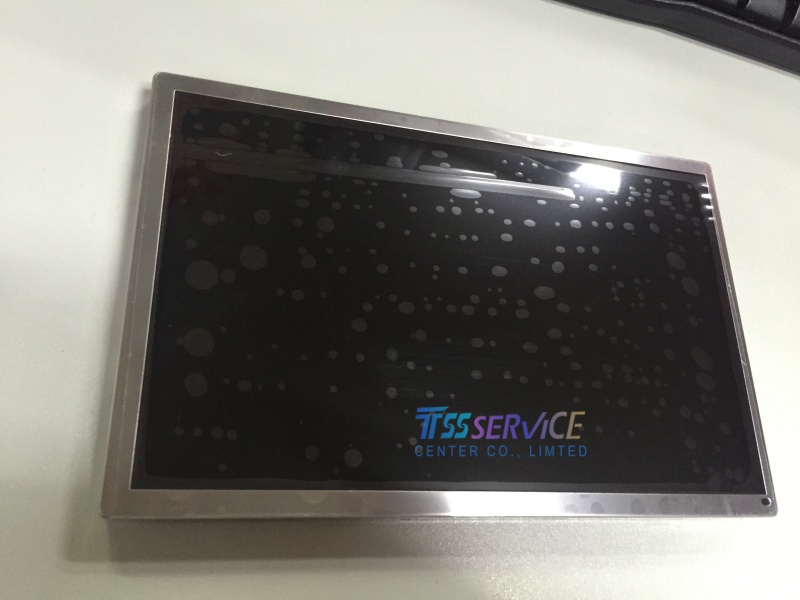
In the demanding landscape of industrial automation and human-machine interaction, not all displays are created equal. The LCD panel is often the most critical yet underappreciated component between a complex system and its human operator. This article delves deep into the TX18D16VM1CAA, a 7-inch industrial LCD panel manufactured by the renowned partnership between KOE (Kaohsiung Opto-Electronics) and HITACHI. While many casual observers may dismiss it as just another small screen, this specific model embodies a tightly engineered solution designed to perform under brutal conditions—from fluctuating temperatures in factory floors to constant vibration in embedded kiosks. This analysis moves beyond superficial specifications to explore why this particular panel has become a baseline reference in the replacement and repair markets. We will examine its optical performance, interface architecture, mechanical resilience, and its strategic value in extending the lifecycle of legacy industrial equipment. For engineers, procurement specialists, and maintenance managers, understanding the nuances of this unit is essential for ensuring system reliability without compromising on visual clarity.
The Optical Architecture: Brightness, Contrast, and Viewing Angles Under Scrutiny
To understand the TX18D16VM1CAA, one must first dissect its optical DNA. This is not a consumer-grade display tuned for vivid colors in a dark room; it is an industrial instrument optimized for visibility. The panel delivers a typical brightness level of 500 cd/m². While this figure may seem modest compared to modern smartphone displays that exceed 1000 nits, it is a deliberate engineering choice. In an industrial setting, the display is often positioned at a distance, possibly behind protective glass or within a brightly lit warehouse. Excessive brightness causes glare and operator fatigue; 500 nits provides a sustainable, high-contrast output without causing thermal stress to the system. The contrast ratio of 800:1 is equally strategic, ensuring that critical data—such as alarm thresholds or machine status icons—remains sharply legible against the background.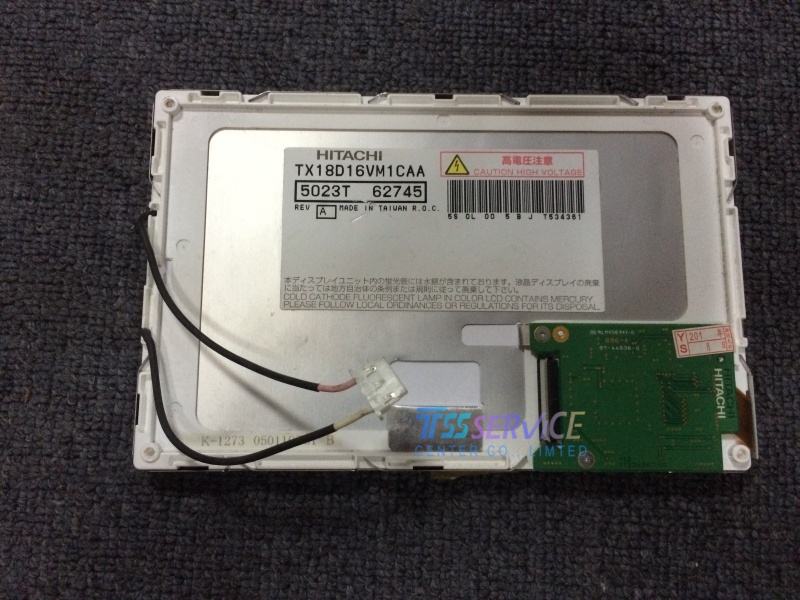
A major differentiator lies in its viewing angle specification. Most budget or non-industrial panels suffer from severe color inversion and brightness drop-off when viewed off-axis. The TX18D18VM1CAA utilizes IPS (In-Plane Switching) technology, a hallmark of the KOE/HITACHI lineage. This provides a wide, symmetrical viewing angle of approximately 80 degrees in all directions (top, bottom, left, right). Why does this matter? In a control room, a single operator is rarely staring straight ahead. They may be standing to the side of a console or monitoring multiple units simultaneously. The IPS architecture ensures that grayscale stability is maintained, meaning red warnings remain red and text remains non-inverted, even at extreme angles. Furthermore, the panel supports a 6-bit + Hi-FRC (Frame Rate Control) color depth. This pseudo-8-bit color reproduction allows for smoother gradients, which is critical when visualizing thermal imaging data or analog sensor readouts where subtle color shifts indicate critical changes in state. The anti-glare surface treatment further reduces specular reflections, making the panel usable under overhead lighting without requiring a hood.
The Interface and Controller Logic: Bridging the Analog-Digital Divide
Moving beyond the glass, the TX18D16VM1CAA reveals its true industrial character through its interface architecture. This model is designed to accept a digital LVDS (Low-Voltage Differential Signaling) interface, specifically a 6-bit single-channel configuration. While older panels relied on parallel RGB interfaces that required numerous pins and high noise susceptibility, LVDS offers a more robust solution for industrial environments. The differential signaling provides inherent immunity to electromagnetic interference (EMI) commonly generated by adjacent motors, relays, and power supplies within a machine. This means the display remains stable even when installed next to a high-power servo drive—a scenario where a standard monitor would flicker or snow.
From a controller logic perspective, the panel operates at a standard resolution of 800 x 480 pixels (WVGA). While not "HD" by modern consumer standards, this resolution is ideal for the 7-inch screen size. It provides a pixel density of approximately 133 PPI, perfectly balancing the ability to display fine text for PLC programming screens while maintaining large, touch-friendly buttons for operator interfaces. The technical data sheet specifies a typical power consumption of just 4-6 Watts. This low power draw is not an accident; it simplifies thermal management (no active cooling required) and reduces the load on the system's power supply. Importantly, these panels are often sold as "drop-in replacements" for legacy systems. Understanding the pinout mapping and backlight driver voltage (usually LED based) is critical for integration. The standard LED backlight has a long operational life of approximately 50,000 hours, reducing the total cost of ownership by delaying the need for unit replacement.
Mechanical Design and Environmental Tolerance: Built for the Factory Floor
The physical construction of the TX18D16VM1CAA is where it separates itself from a standard office monitor. The panel is typically housed in a narrow bezel design with specific mounting holes and a defined outline dimension of approximately 165.0 x 100.0 mm (active area: 154.08 x 85.92 mm). This precise form factor is engineered to fit into specific cutouts of industrial enclosures, NEMA-rated panels, or medical device housings. The thickness of the panel is kept minimal, allowing it to be integrated into shallow-depth consoles.
Most critical, however, is the operating temperature range. The TX18D16VM1CAA is rated for a wide temperature span, typically from -20°C to +70°C. This is not a theoretical rating; it is tested and validated. In an unheated warehouse during winter, or inside a sun-exposed outdoor kiosk in summer, the LCD fluid must remain liquid and responsive. At the low end, the IPS technology prevents the slow response times that plague cheaper TN panels in cold weather. The storage temperature range extends even further, from -30°C to +80°C, ensuring the unit survives transportation and storage without damage. Vibration resistance is another unsung hero. The panel is built with robust internal gaskets and secure fastening points to withstand constant low-frequency vibration found on conveyors, printing presses, and automated guided vehicles (AGVs). The LED backlight driver is also sealed against dust ingress, ensuring consistent illumination even in dusty environments like sawmills or grain processing plants. This mechanical integrity means that a single installation can run for years without suffering from pixel death or backlight failure, providing a reliable data window into the heart of the machinery.
Conclusion
The TX18D16VM1CAA from KOE/HITACHI is far more than a simple 7-inch screen; it is a carefully calibrated interface module designed for endurance. Its combination of a 500-nit IPS display, robust LVDS signal handling, and a wide temperature tolerance makes it a cornerstone of the industrial replacement market. By prioritizing optical stability over peak brightness and mechanical integrity over thinness, this panel offers a proven solution for maintaining the usability of critical equipment. For any engineer tasked with maintaining a legacy HMI system, investing in this specific model ensures that the operator’s primary sensory channel remains clear, responsive, and reliable for years to come, effectively bridging the gap between aging control systems and modern operational needs.


