In the demanding world of industrial automation and human-machine interfaces, the display is not merely a screen—it is the primary conduit for critical data, operational control, and real-time feedback.
In the demanding world of industrial automation and human-machine interfaces, the display is not merely a screen—it is the primary conduit for critical data, operational control, and real-time feedback. Selecting the right LCD module requires careful consideration of resolution, durability, and environmental resilience. This article delves into the NL8048AC19-21, an 800×480 resolution, 7.0-inch LCD display manufactured by NLT Technologies, a brand synonymous with industrial-grade quality. We will explore why this specific panel has become a trusted component in sectors ranging from medical equipment to factory floor control systems. Beyond basic specifications, our analysis covers its optical performance, mechanical design, and integration advantages, providing SEO and engineering professionals with a comprehensive understanding of its role in modern industrial applications. The goal is to evaluate not just what this display offers on paper, but how its engineering translates into tangible operational benefits.
Optical Architecture: Balancing Brightness, Contrast, and Viewability
The core value of any industrial display lies in its optical performance under challenging conditions. The NL8048AC19-21 features an 800×480 (WVGA) resolution, which at 7.0 inches provides a pixel density of approximately 134 PPI. This balance is intentional: it offers enough clarity for detailed graphical user interfaces without the unnecessary power consumption and processing overhead of higher resolutions. One standout specification is its typical luminance of 450 cd/m². While consumer tablets often peak around 300-400 cd/m², industrial environments with strong ambient lighting or direct sunlight require a higher baseline. This brightness level ensures that on-screen symbols, machine status indicators, and alphanumeric data remain legible even when the panel is mounted near warehouse windows or exposed to overhead factory lighting.
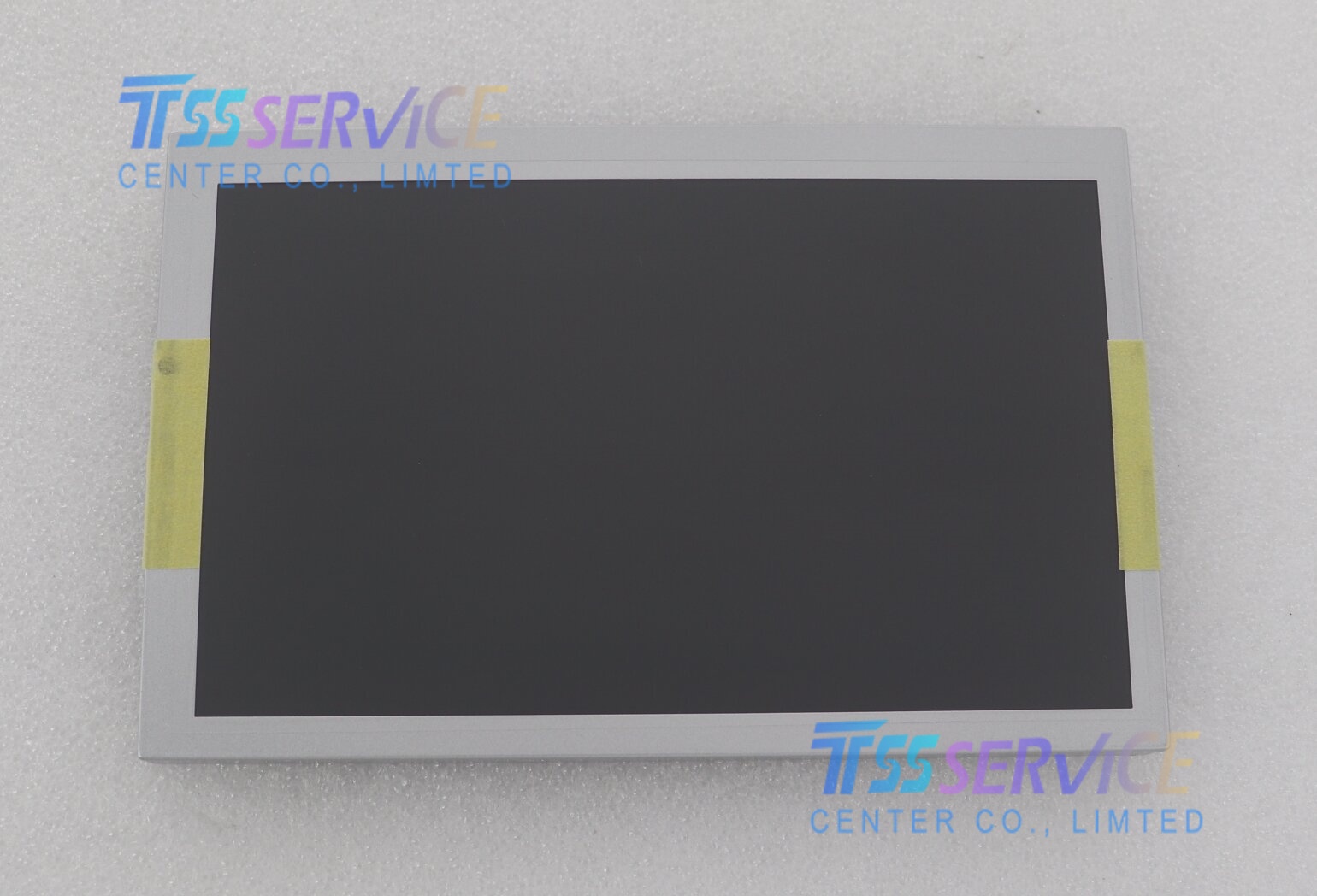
Furthermore, the display employs TN (Twisted Nematic) technology combined with a 6‑bit color depth, capable of rendering 262,144 colors. Critics might argue that TN panels have narrower viewing angles compared to IPS, but in many fixed-mount industrial applications—where the operator sits directly in front—this is a non-issue. The trade-off yields significant advantages: faster response times (critical for cursor tracking or dynamic data updates) and lower power draw. The contrast ratio, typically rated at 500:1, is sufficient for distinguishing between foreground text and background elements in controlled lighting conditions. Careful optical bonding can further enhance sunlight readability, making this panel a robust choice for outdoor kiosks or equipment exposed to variable weather.
Mechanical Durability and Environmental Resilience
Where consumer displays fail in industrial settings, the NL8048AC19-21 excels through its mechanical design. The module operates across a wide temperature range of -20°C to +70°C, a critical factor for equipment used in cold storage facilities, heated manufacturing zones, or outdoor installations. Its storage temperature extends even further, from -30°C to +80°C, accommodating harsh logistics environments. This thermal tolerance is achieved through the use of industrial-grade liquid crystal materials and a robust backlight system rated for 50,000 hours of half-brightness life—significantly outlasting standard CCFL-based displays.
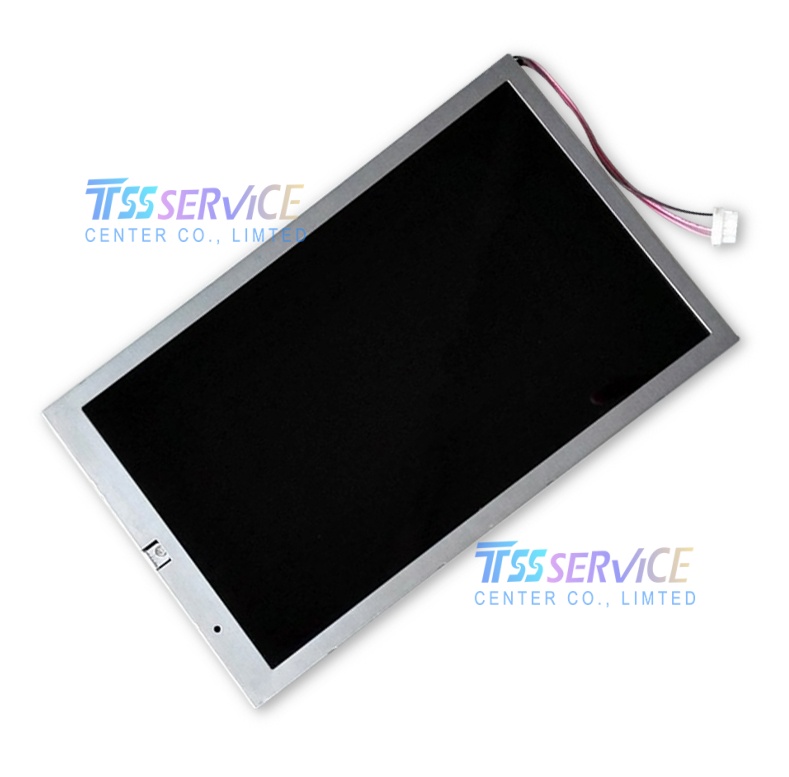
Physically, the panel measures approximately 165.0 mm × 100.0 mm for the active area, with a slim module depth that facilitates integration into enclosures with limited internal space. The interface is a parallel RGB (24‑bit) connection, a standard in industrial embedded systems that offers deterministic timing and simple interoperability with a wide range of ARM, x86, and FPGA-based controllers. The mechanical design also includes mounting ears and precise hole patterns, reducing the need for custom brackets. For applications requiring additional protection, the display can be paired with a touch panel (resistive or capacitive) or a protective glass overlay without compromising its thermal performance. This durability makes it a preferred upgrade path for legacy systems still reliant on smaller, lower-resolution displays.
System Integration and Ecosystem Compatibility
Successful implementation of any industrial display depends on how seamlessly it integrates with the target hardware and software stack. The NL8048AC19-21 is designed with a 50‑pin FPC (Flexible Printed Circuit) connector, using a standard 0.5mm pitch, which simplifies PCB layout design. The logic power supply requirement of 3.3V and typical power consumption under 2.5W ensures compatibility with low-power embedded platforms commonly used in IoT gateways and edge computing devices. Developers will appreciate the comprehensive datasheet provided by NLT, which includes precise timing diagrams, backlight LED driver recommendations, and mechanical drawings in DXF format, reducing the trial‑and‑error phase of prototype development.
From a software perspective, the display supports resolutions and timings that are natively recognized by common graphics libraries (such as LVGL, EmWin, or Qt). Because of its parallel interface, it pairs exceptionally well with microcontrollers featuring built-in LCD controllers (e.g., STM32F429, NXP i.MX RT series) without requiring expensive external graphics chips. For legacy industrial systems still running VxWorks or embedded Linux, driver integration is straightforward due to the panel’s adherence to standard timing parameters. Moreover, the availability of a LED backlight driver circuit with a simple PWM control input allows fine-grained dimming, enabling power savings during idle operation. This level of ecosystem compatibility means that engineers can focus on application logic rather than wrestling with display quirks.
Application Scenarios: Where This Display Outperforms Alternatives
Understanding the specific use cases where the NL8048AC19-21 excels helps buyers make informed procurement decisions. In medical device applications—such as patient monitors, infusion pumps, or diagnostic imaging equipment—the well-controlled grayscale performance and predictable backlight behavior meet stringent regulatory requirements for readability. The 450 cd/m² brightness provides an adequate safety margin for situations where antireflective coatings degrade over time during sterilization cycles. Similarly, in portable field instruments used for environmental monitoring or oil and gas inspection, the wide operating temperature range ensures that the display performs reliably whether in a desert heatwave or a frozen pipeline facility.
Another compelling scenario is industrial HMI panels for PLC control and SCADA systems. The 800×480 resolution offers sufficient real estate for essential widgets, alarm lists, and trend graphs without overwhelming the operator with excessive information. For manufacturers upgrading from smaller 5.6-inch or 5.7-inch panels, the 7.0-inch diagonal represents a meaningful increase in readability while still fitting standard cutouts. In contrast, higher-resolution panels (e.g., 1024×600) may introduce text scaling issues or require font rendering optimizations that this display avoids. Additionally, the parallel RGB interface is less susceptible to electromagnetic interference compared to high-speed serial interfaces, making it ideal for environments with heavy motor noise or radio frequency emissions.
Conclusion — The NL8048AC19-21 is not a cutting-edge display in terms of resolution or pixel density, but that is precisely its strength: it delivers proven, industrial-grade reliability where innovation must yield to stability. Its thoughtful balance of brightness, thermal endurance, and interface simplicity makes it a practical backbone for mission-critical systems across medicine, manufacturing, and field operations. For engineers seeking to minimize integration risk while maximizing operational lifespan, this NLT panel represents a sound investment. It stands as a testament that the most valuable industrial components are those that work quietly and consistently, enabling other technologies to perform their optimal functions.


