In the world of industrial and embedded systems, the display is often the critical interface between complex machinery and human operators. Selecting the right screen is not merely a matter of resolution or size; it involves a nuanced understanding of technology, environment, and application-specific demands. This article delves into a detailed examination of the SP24V001-A1, a 9.4-inch FSTN-LCD screen with a 640x480 resolution, to uncover its true value proposition beyond basic specifications.
In the world of industrial and embedded systems, the display is often the critical interface between complex machinery and human operators. Selecting the right screen is not merely a matter of resolution or size; it involves a nuanced understanding of technology, environment, and application-specific demands. This article delves into a detailed examination of the SP24V001-A1, a 9.4-inch FSTN-LCD screen with a 640x480 resolution, to uncover its true value proposition beyond basic specifications.
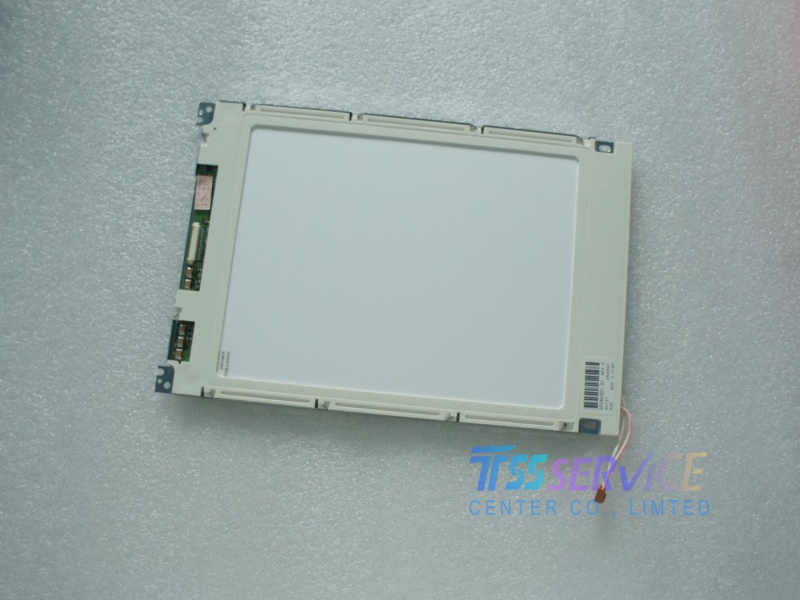
We will explore the foundational technology that sets it apart, analyze its performance characteristics in challenging conditions, identify its ideal application scenarios, and provide practical guidance for integration. This deep dive aims to equip engineers, product designers, and procurement specialists with the insights needed to determine if this display module is the optimal solution for their next project.
Decoding the FSTN-LCD Technology Core
At the heart of the SP24V001-A1 lies its FSTN-LCD panel, a technology often misunderstood or overlooked in favor of more common TFT variants. FSTN stands for Film Compensated Super-Twisted Nematic, an evolution of the classic passive-matrix STN display. The key differentiator is the addition of a retardation film. This film compensates for the color distortion and improves the contrast inherent in standard STN screens, resulting in a sharper, more readable monochrome (typically blue-on-silver or black-on-white) image with wider viewing angles.
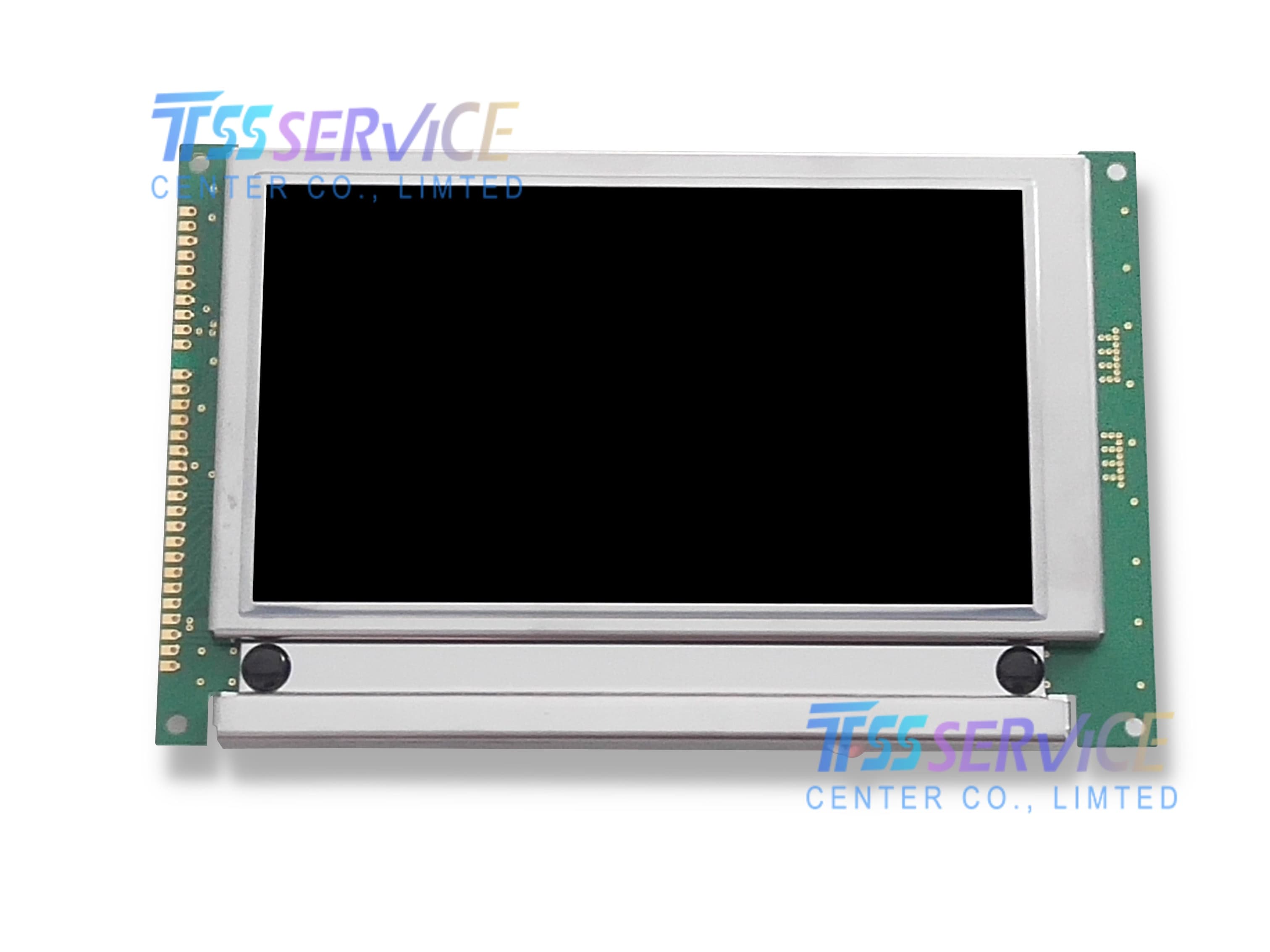
Why choose this over an active-matrix TFT? The answer lies in simplicity, reliability, and power efficiency. Without the need for individual transistors for each pixel (as in TFTs), the FSTN structure is less complex, often leading to higher manufacturing yield and lower cost in monochrome applications. Furthermore, it consumes significantly less power, a critical factor for battery-operated or energy-conscious devices. The 640x480 VGA resolution on a 9.4" diagonal strikes a deliberate balance, offering sufficient information density for data-rich interfaces while ensuring individual characters and graphics remain legible without excessive pixelation.
Performance in Demanding Operational Environments
The specification sheet only tells part of the story. The true test of a component like the SP24V001-A1 is its behavior under real-world stress. This display is engineered for environments where consumer-grade screens would falter. Its operating temperature range typically spans from -20°C to +70°C, ensuring functionality in unheated industrial warehouses or under the hood of automotive equipment. The FSTN technology itself is inherently more stable across temperature fluctuations compared to some TFTs.
Readability under various lighting conditions is paramount. The module often features a high-brightness backlight (LED-based for longevity and low heat), combating washout from direct sunlight. Conversely, in low-light control rooms, its non-emissive nature and adjustable backlight prevent operator eye strain. Durability is also a key consideration; the screen assembly is designed to resist vibration and shock, with a robust interface connector to prevent disconnection in mobile or high-impact applications. This resilience translates directly to reduced downtime and maintenance costs.
Ideal Application Scenarios and Use Cases
Understanding its technological and performance profile allows us to pinpoint where the SP24V001-A1 delivers maximum value. It is not a general-purpose display but a specialized tool optimized for specific niches. Its primary domain is industrial human-machine interfaces (HMIs) for machinery control, factory automation, and process monitoring systems. Here, its monochrome clarity, reliability, and wide viewing angle allow multiple operators to view status screens simultaneously.
Other key verticals include:
-
Transportation and Automotive Diagnostics: As a display for ruggedized test equipment, fleet management systems, or in-vehicle information terminals.
-
Medical Devices: For non-critical monitoring equipment where long life, stability, and clear data presentation are required, avoiding the potential distraction of color.
-
Point-of-Sale and Kiosk Systems: In cost-sensitive, always-on applications where power consumption and screen longevity are major concerns.
-
Legacy System Upgrades: As a modern, reliable drop-in replacement for older monochrome CRT or early-generation LCD displays in existing equipment.
Integration Considerations and Best Practices
Successfully implementing the SP24V001-A1 requires attention to several technical and practical details. Electrically, it operates on a 24V input (as indicated by the "SP24V" prefix), which is a standard voltage in industrial control panels, simplifying power supply design. Designers must account for the physical interface—typically a standard LVDS or TTL interface—and ensure the host controller can drive the native 640x480 resolution.
Mechanical integration involves careful planning of the cut-out dimensions, mounting bezel, and sealing if an IP-rated front panel is required. The use of proper electromagnetic shielding is crucial in electrically noisy environments to prevent display artifacts. Furthermore, from a software perspective, developing a user interface optimized for monochrome presentation is essential. This means leveraging contrast, shading, and font weight instead of color coding to convey information hierarchy and alerts, maximizing the effectiveness of the human-machine interaction.
The SP24V001-A1 9.4" FSTN-LCD screen exemplifies how specialized display technology solves distinct engineering challenges. It offers a compelling blend of rugged reliability, excellent readability, and power efficiency for monochrome applications where color is unnecessary or even detrimental. By focusing on its core strengths in industrial, automotive, and medical interfaces, this module proves that in a world obsessed with high-resolution color, there remains significant value in clarity, simplicity, and robustness. For the right project, it is not just a display component, but a foundation for a dependable and long-lasting user interface.


