In the specialized world of industrial machinery and vehicle maintenance, the display interface is far more than a simple screen; it is the critical nexus of human-machine interaction. For technicians and operators working with Mitsubishi equipment, the clarity, reliability, and compatibility of this component are paramount.
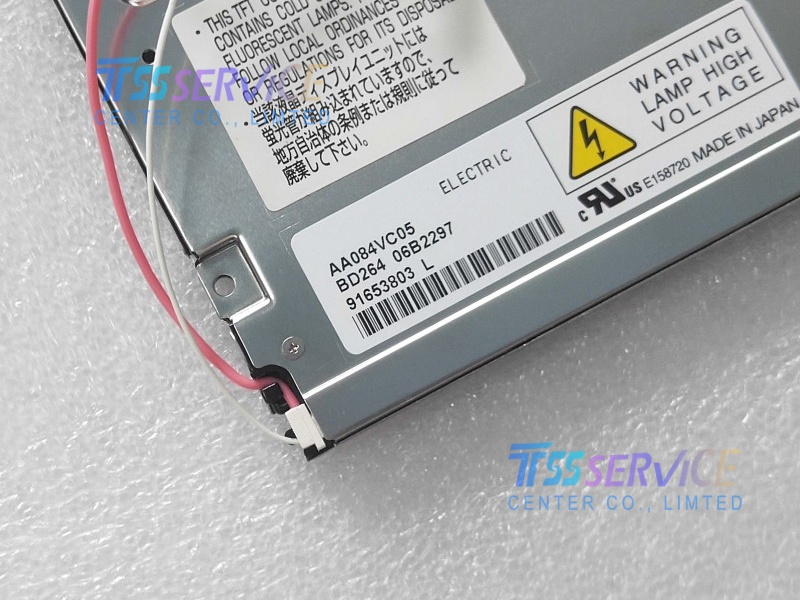
In the specialized world of industrial machinery and vehicle maintenance, the display interface is far more than a simple screen; it is the critical nexus of human-machine interaction. For technicians and operators working with Mitsubishi equipment, the clarity, reliability, and compatibility of this component are paramount. This article delves into the AA084VC05, an 8.4-inch LCD display module with a resolution of 640×480 pixels, engineered specifically for integration into Mitsubishi systems.
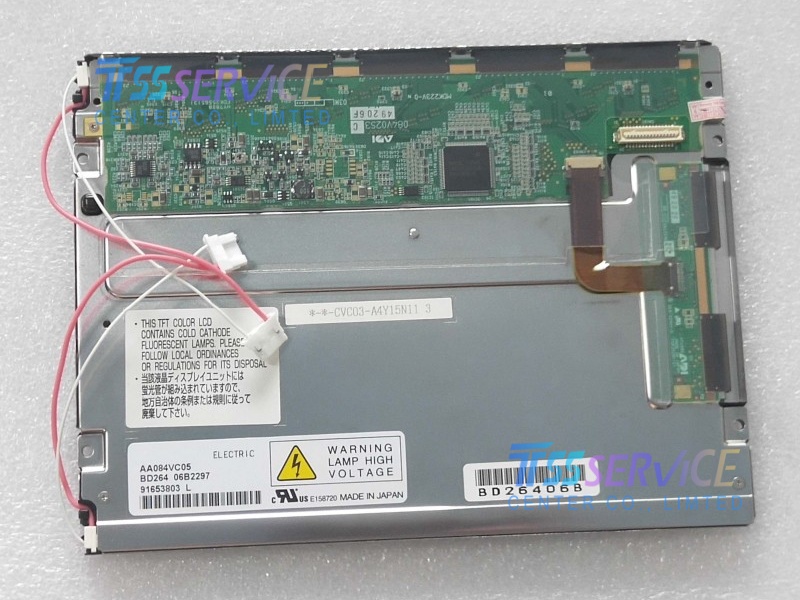
We will explore not just its basic specifications, but its role as a vital spare part and upgrade solution. From dissecting its technical architecture and pinpointing its ideal applications to providing a clear roadmap for sourcing and integration, this guide aims to be a comprehensive resource. Whether you are a procurement specialist, a system integrator, or a maintenance engineer, understanding the nuances of the AA084VC05 is key to ensuring operational continuity and optimal performance in demanding industrial environments.
Deconstructing the AA084VC05: A Technical Deep Dive
At its core, the AA084VC05 is a meticulously designed industrial-grade TFT LCD module. The 8.4-inch diagonal screen size and 640×480 (VGA) resolution represent a proven standard in industrial controls, offering a balanced combination of sufficient detail area and excellent readability for text, numerical data, and schematic diagrams. Unlike consumer displays, this module is built for longevity and stability, typically featuring a high-brightness backlight (often 500 nits or more) to remain visible under harsh factory lighting or direct sunlight.
The "VC05" designation often hints at a specific driver board configuration and connector interface that aligns with Mitsubishi's internal design protocols. The module likely employs an LVDS (Low-Voltage Differential Signaling) interface for robust, noise-resistant data transmission from the host controller. Key technical considerations include:
-
Operating Voltage & Power Consumption: Designed for low-voltage DC power supplies common in vehicles and machinery.
-
Viewing Angle: Wide viewing angles (e.g., 80/80/80/70) ensure information is clear from various positions.
-
Operating Temperature Range: A broad range (e.g., -20°C to +70°C) guarantees functionality in extreme conditions.
-
Mechanical Durability: The assembly is resistant to vibration, shock, and potential moisture ingress.
This technical foundation makes it not a generic screen, but a purpose-built component for mission-critical applications.
Strategic Applications: Where and Why This Display Matters
The true value of the AA084VC05 is realized in its application contexts. It serves as the direct replacement or original part for displays in a range of Mitsubishi Factory Automation (FA) and industrial vehicle systems. Primary use cases are often found in:
-
Industrial Control Panels: Embedded in PLC (Programmable Logic Controller) operator interfaces, CNC machine controls, and process monitoring stations within manufacturing plants.
-
Forklift & Vehicle Dashboards: Integrated into the control consoles of Mitsubishi forklifts and other material handling equipment, displaying operational parameters, diagnostics, and safety information.
-
Diagnostic and Service Tools: Used in proprietary diagnostic devices for servicing Mitsubishi automotive or industrial systems.
In these scenarios, the display is not merely showing information; it is facilitating core operational control, diagnostic troubleshooting, and safety monitoring. A failure here can lead to costly downtime. Therefore, the AA084VC05 is more than a commodity—it is a critical spare part for maintenance departments and a key component for OEMs building compatible equipment, ensuring system integrity and user interface consistency.
Beyond Replacement: Integration and Compatibility Considerations
Sourcing the physical module is only the first step. Successful deployment hinges on seamless integration. The AA084VC05 is typically a "bare panel" requiring careful handling of its electrical and physical interfaces. Integrators must ensure precise alignment with the existing connector type, pinout, and power requirements of the Mitsubishi host system. The LVDS signal format must match the controller's output in terms of color depth, clock frequency, and data mapping.
Furthermore, compatibility extends to the software and firmware layer. The host system's graphics driver or embedded software is calibrated for this specific display's timing parameters and resolution. Swapping in an incompatible screen, even of the same size, can result in no image, sync issues, or improper scaling. For system builders, using the authentic AA084VC05 guarantees that the graphical user interface (GUI) designed for the 640×480 VGA format renders correctly, with all touch targets (if equipped) or displayed data positioned accurately. This chapter underscores that integration is an engineering task, not a simple plug-and-play exercise.
Sourcing and Verification: A Guide for Procurement Professionals
Given its specialized nature, procuring the AA084VC05 demands a strategic approach to avoid counterfeit or substandard components that risk equipment failure. Reliable sourcing channels include authorized industrial electronic distributors, specialized spare parts suppliers for Mitsubishi equipment, or reputable B2B marketplaces with verified suppliers. Critical steps in the procurement process include:
-
Exact Part Number Verification: Double-check the complete part number (AA084VC05) and any suffix letters, as they denote specific revisions or connector variations.
-
Demanding Technical Documentation: Request detailed datasheets, pinout diagrams, and mechanical drawings from the supplier to verify specifications.
-
Assessing Supplier Credibility: Look for suppliers with proven expertise in industrial displays and positive track records in the automation sector.
-
Understanding Lead Times: Be prepared for potentially longer lead times compared to consumer displays, as these are often produced in specific batches.
Investing time in rigorous supplier vetting and part verification is a non-negotiable step to secure a component that will perform reliably for years, ultimately protecting the larger capital investment in the Mitsubishi machinery it serves.
The AA084VC05 8.4-inch display exemplifies the critical role of specialized components in industrial ecosystems. Its value lies not in cutting-edge resolution, but in its proven reliability, direct compatibility with Mitsubishi systems, and ability to withstand rigorous operating environments. Successfully implementing this module requires a holistic understanding that spans its technical specifications, precise application contexts, integration complexities, and diligent sourcing practices. By appreciating these layers, procurement specialists and engineers can make informed decisions that ensure the longevity and flawless operation of vital machinery, turning a simple display replacement into a strategic investment in operational resilience


