In the intricate world of industrial and embedded display solutions, selecting the right LCD panel is a critical decision that impacts performance, reliability, and user experience. This article provides an in-depth exploration of the AA104SG01, a 10.4-inch TFT-LCD module designed for demanding applications. We will move beyond basic specifications to examine the engineering principles and practical implications of its key features.
In the intricate world of industrial and embedded display solutions, selecting the right LCD panel is a critical decision that impacts performance, reliability, and user experience. This article provides an in-depth exploration of the AA104SG01, a 10.4-inch TFT-LCD module designed for demanding applications. We will move beyond basic specifications to examine the engineering principles and practical implications of its key features.
Our analysis will dissect the panel's core visual performance, its ruggedized construction for challenging environments, the critical interface and compatibility considerations for system integration, and its optimal application scenarios. This comprehensive review aims to equip engineers, product designers, and procurement specialists with the nuanced understanding necessary to evaluate if the AA104SG01 is the ideal display component for their next project.
Decoding Visual Performance: Resolution, Brightness, and Viewing Angles
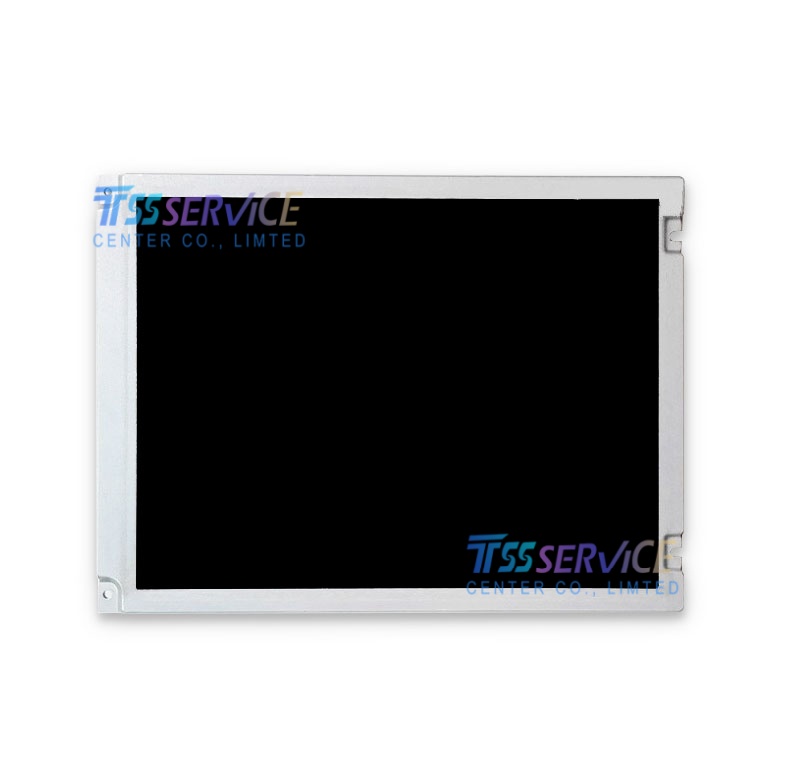
At the heart of the AA104SG01's specification is its 800(RGB) x 600 pixel resolution on a 10.4-inch diagonal. This translates to an SVGA standard, offering a balanced compromise between detail clarity and system processing load. The "RGB" striping indicates a standard arrangement of sub-pixels, ensuring sharp text and stable graphic rendering, which is paramount for human-machine interface (HMI) panels, diagnostic equipment, and point-of-sale terminals.
However, raw resolution is only part of the story. Effective readability under various lighting conditions is crucial. This panel typically offers a high brightness rating, often around 500 to 1000 nits, allowing it to remain visible in brightly lit industrial settings or under direct sunlight when paired with an appropriate touch solution. Furthermore, its wide viewing angle technology—usually IPS or similar—ensures consistent color and contrast with minimal shift when viewed from the sides, top, or bottom. This is essential for multi-operator stations or devices viewed from non-perpendicular angles.
Built for Endurance: Ruggedness and Operational Longevity
The AA104SG01 is not a consumer-grade display; it is engineered for 24/7 operation in harsh environments. This durability is achieved through several key design choices. The panel operates reliably across an extended temperature range, often from -30°C to +80°C for storage and a robust operational range. This ensures functionality in unregulated environments like factory floors, outdoor kiosks, or transportation systems.
Mechanical robustness is equally important. The module is constructed with a sturdy metal frame and often features a hardened glass surface to resist vibration, shock, and physical impact. Its longevity is also reflected in the backlight design, utilizing long-life LEDs with a typical lifespan of tens of thousands of hours. This focus on endurance directly reduces total cost of ownership by minimizing downtime and replacement frequency, a critical factor for industrial and medical applications where reliability is non-negotiable.
Integration Essentials: Interfaces, Power, and Signal Compatibility
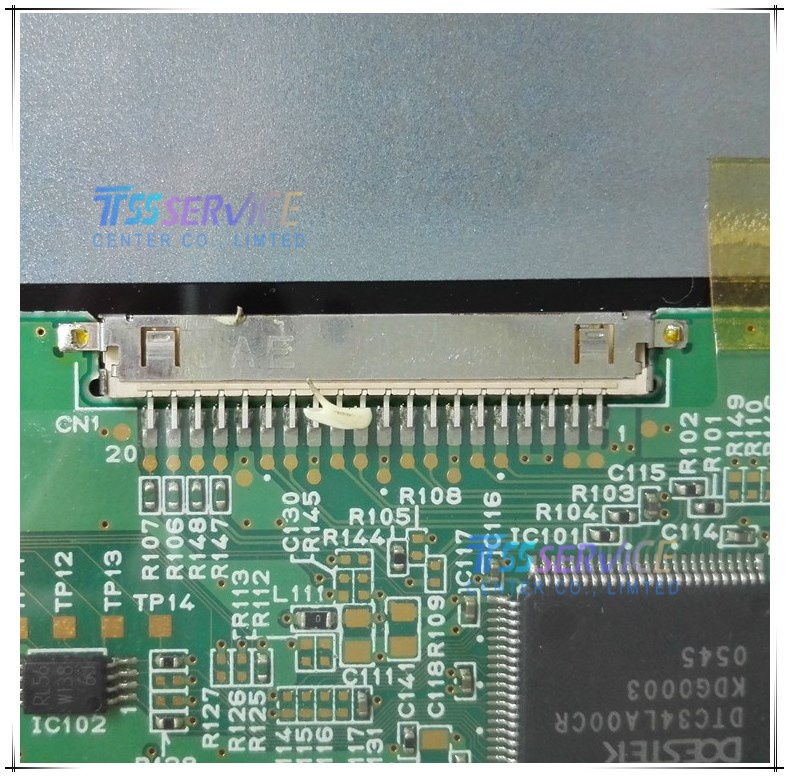
A display panel does not function in isolation; its ease of integration is a major selection criterion. The AA104SG01 commonly features an LVDS (Low-Voltage Differential Signaling) interface. LVDS is the industry standard for robust, noise-resistant data transmission over longer cable lengths within a device, making it ideal for separating a display head from a main processing unit.
System integrators must pay close attention to the pin configuration, power sequence requirements, and supported signal timings. A mismatch here can lead to image artifacts, flickering, or complete failure. Furthermore, the panel's power consumption profile is a key design input, affecting power supply design and thermal management. Successful integration hinges on meticulously following the controller board's datasheet to ensure the host system's graphics controller can correctly drive the panel's native resolution and refresh rate without compatibility issues.
Strategic Application Scenarios: Where the AA104SG01 Excels
Understanding its technical profile allows us to pinpoint the ideal applications for this panel. Its combination of mid-range resolution, high brightness, and ruggedness makes it a premier choice for several verticals. In industrial automation, it serves as the perfect face for PLC control stations, CNC machine interfaces, and SCADA system monitors. In the medical field, it meets the needs of diagnostic imaging displays for ultrasound or patient monitoring systems where reliability is critical.
Additionally, it is well-suited for transportation and infrastructure, such as in-train passenger information displays, EV charging station interfaces, and airport information kiosks. Its format factor also fits legacy equipment upgrades where 10.4-inch SVGA was a common footprint. For applications requiring touch interaction, it serves as a robust glass substrate for the seamless bonding of resistive or projective capacitive touch panels, creating a complete touch display module.
In conclusion, the AA104SG01 10.4-inch TFT-LCD panel represents a specialized solution engineered for performance beyond the consumer realm. Its value lies in the synergistic combination of adequate SVGA resolution, exceptional environmental durability, and stable LVDS interface design, all tailored for continuous operation. This analysis demonstrates that its true worth is realized in demanding sectors like industrial control, medical instrumentation, and public infrastructure, where long-term reliability under stress is the paramount requirement. Selecting this panel is an investment in sustained operational integrity for mission-critical display applications.


