In the intricate world of embedded systems and industrial electronics, the display panel serves as the critical bridge between machine and user. Among the myriad of options, the AG240128B (and its compatible variants like the AMPIRE STN model) stands out as a robust and widely adopted solution. This article delves deep into the AG-240128B compatible 240x128 LCD screen,
In the intricate world of embedded systems and industrial electronics, the display panel serves as the critical bridge between machine and user. Among the myriad of options, the AG240128B (and its compatible variants like the AMPIRE STN model) stands out as a robust and widely adopted solution. This article delves deep into the AG-240128B compatible 240x128 LCD screen, a monochrome, dot matrix STN panel that has become a staple in applications demanding reliability, clarity, and straightforward integration.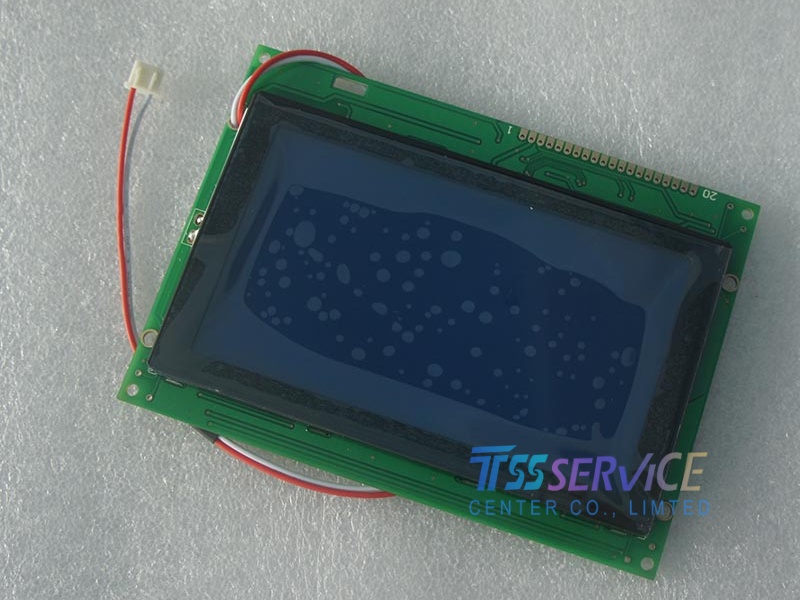
We will move beyond basic specifications to explore its core technology, dissect its key features and performance parameters, examine its ideal application landscapes, and finally, provide crucial guidance for integration and sourcing compatible modules. This comprehensive analysis aims to equip engineers, procurement specialists, and hobbyists with the knowledge to effectively leverage this display workhorse.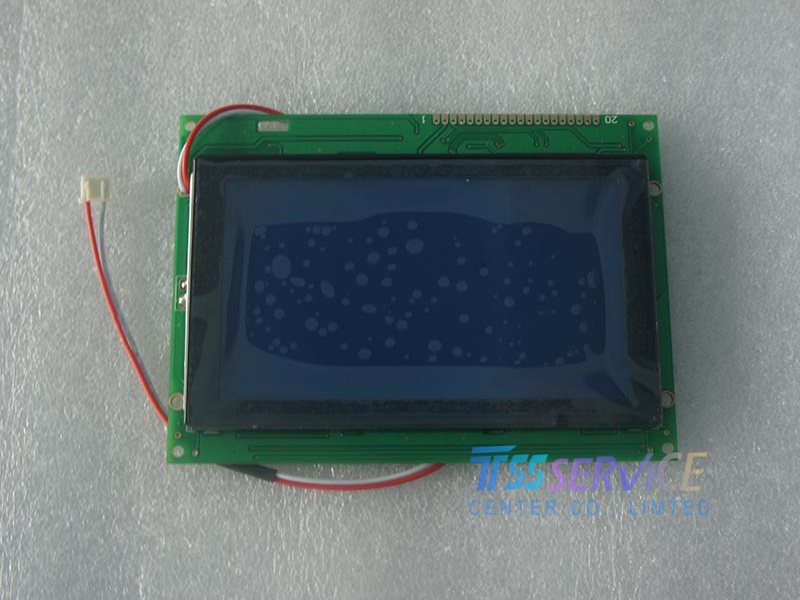
Decoding the Technology: STN LCDs and the 240x128 Dot Matrix
At its heart, the AG240128B is a Super Twisted Nematic (STN) Liquid Crystal Display. Unlike simpler TN (Twisted Nematic) panels, STN technology employs a higher twist angle (180-270 degrees) between liquid crystal molecules. This "super twist" provides a superior multiplexing capability, which is key to its functionality. The "240x128" designation refers directly to its graphic dot matrix resolution: 240 pixels horizontally and 128 pixels vertically. Each pixel is individually addressable, allowing for the creation of complex graphics, custom characters, and data trends, far surpassing the limitations of segmented displays.
The "STN" label often implies a passive matrix addressing scheme. This means the display lacks an active transistor at each pixel (like a TFT would have). Instead, rows and columns are driven sequentially. While this can theoretically lead to lower contrast and slower response at very high multiplex rates, the 240x128 resolution is well within the sweet spot where STN technology excels, offering an excellent balance of cost, power consumption, and visual performance. The typical monochrome appearance, often blue or gray on a silvery background, is a hallmark of this stable and mature technology.
Core Features and Performance Parameters
Understanding the specifications is crucial for successful implementation. A standard AG240128B compatible module operates on a single +5V power supply, making it ideal for legacy and modern 5V microcontroller systems. Its interface is typically a parallel 8-bit or 4-bit MCU bus, compatible with common controllers like the KS0108 or equivalent, ensuring broad driver support. The viewing angle is characteristically wide for STN displays, often exceeding 120 degrees, which is essential for instrumentation viewed from various positions.
Key performance metrics include:
-
Contrast Ratio: Adjustable via a potentiometer (usually labeled VO) to achieve optimal readability under different lighting conditions.
-
Operating Temperature Range: A robust range, commonly from -20°C to +70°C, qualifying it for industrial and outdoor environments.
-
Backlight: Most modules integrate LED or CCFL backlighting (often yellow-green or white) with a long lifespan, ensuring visibility in low-light situations.
-
Mechanical Build: These panels are designed for durability, featuring a metal frame for structural integrity and electromagnetic shielding, with mounting holes for secure installation.
Ideal Application Landscapes and Use Cases
The AG240128B finds its home in applications where functional clarity, longevity, and cost-effectiveness trump the need for full color or video-speed refresh rates. Its information-dense yet readable format makes it perfect for presenting parametric data, menus, and schematic diagrams. A primary domain is industrial control and automation, where it serves as the interface for PLCs (Programmable Logic Controllers), CNC machine controls, and test/measurement equipment.
It is equally prevalent in medical devices (patient monitors, diagnostic equipment), telecommunications infrastructure (network switch status panels), and point-of-sale (POS) systems. For hobbyists and makers, compatible modules offer a large, reliable display for complex microcontroller projects, from custom weather stations to advanced 3D printer controllers. Its resilience to temperature fluctuations and electrical noise solidifies its position as a "go-to" component for demanding field deployments.
Integration Essentials and Sourcing Compatible Modules
Successful integration hinges on two factors: hardware interfacing and software driver support. Physically, designers must account for the module's footprint, pinout, and the need for a negative voltage (often generated by an onboard circuit) for contrast control. Electrically, ensuring clean power and proper signal timing is paramount. On the software side, leveraging established libraries for platforms like Arduino (e.g., U8g2, GLCD) or embedded C drivers for the specific controller chip dramatically accelerates development.
When sourcing, the term "AG240128B compatible" is critical. Original AG240128B modules may be discontinued, but several manufacturers, including AMPIRE, produce functionally identical or superior replacements. Key compatibility checks include the controller chip (e.g., KS0108, T6963C), interface type, physical dimensions, and pinout alignment. Reputable electronics distributors and specialized display suppliers are the best sources, often providing detailed datasheets and application notes that are invaluable for a smooth design-in process.
The AG240128B and its compatible STN LCD modules represent a cornerstone of monochrome graphic display technology, offering an unbeatable combination of reliability, readability, and straightforward integration for 240x128 resolution needs. Its strength lies in serving specialized, demanding applications where environmental robustness and clear data presentation are non-negotiable. By understanding its technological underpinnings, key specifications, and integration pathways, engineers can confidently select and implement this proven display solution, ensuring a clear and durable window into their device's functionality for years to come.


