In the demanding landscape of industrial automation, the interface between human operators and complex machinery is paramount. While consumer electronics chase higher resolutions and vibrant color gamuts, the industrial sector prioritizes reliability, longevity, and legibility under harsh conditions.
In the demanding landscape of industrial automation, the interface between human operators and complex machinery is paramount. While consumer electronics chase higher resolutions and vibrant color gamuts, the industrial sector prioritizes reliability, longevity, and legibility under harsh conditions. The Ampire AM1024768Q1 stands as a testament to this specialized engineering philosophy. This 15-inch TFT LCD display, with its native 1024×768 (XGA) resolution, is not merely a screen; it is a strategic component designed for environments where failure is not an option. This article delves into the specific architectural choices, performance metrics, and real-world applications that make the AM1024768Q1 a preferred solution for Human-Machine Interfaces (HMIs), medical equipment, and factory floor controls. We will explore why a "classic" 4:3 aspect ratio persists in an era of widescreens, how its optical characteristics mitigate industrial challenges, and why this display represents a balance of cost-efficiency and uncompromised robustness.

Architecting for Endurance: Build Quality and Environmental Resilience
The most immediate differentiator of the Ampire AM1024768Q1 is its structural integrity. Unlike off-the-shelf consumer panels, this display is engineered with an industrial-grade backlight system designed for extended operational life. The typical backlight lifespan often exceeds 50,000 hours, translating to over five years of continuous 24/7 operation. This longevity is critical for applications like assembly line controllers, where replacing a display can lead to costly downtime.
Beyond longevity, the display addresses environmental stressors through several key design features:
-
Wide Operating Temperature Range: Capable of functioning reliably from -20°C to +70°C, the AM1024768Q1 can withstand the ambient heat of a factory floor without active cooling, or the cold of an unpowered state in an outdoor industrial kiosk.
-
High Brightness and Contrast: With a typical brightness of approximately 400 cd/m², the panel combats glare from overhead factory lighting. The 800:1 contrast ratio ensures that grayscale gradients and fine text remain legible, preventing operator eye strain during long shifts.
-
Robust Mechanical Design: The inclusion of a sturdy metal frame or reinforced plastic bezel (depending on the variant) makes it resistant to vibration and incidental impact, a common occurrence in heavy machinery environments.
Optical Fidelity: Why 1024×768 Remains the Industrial Standard
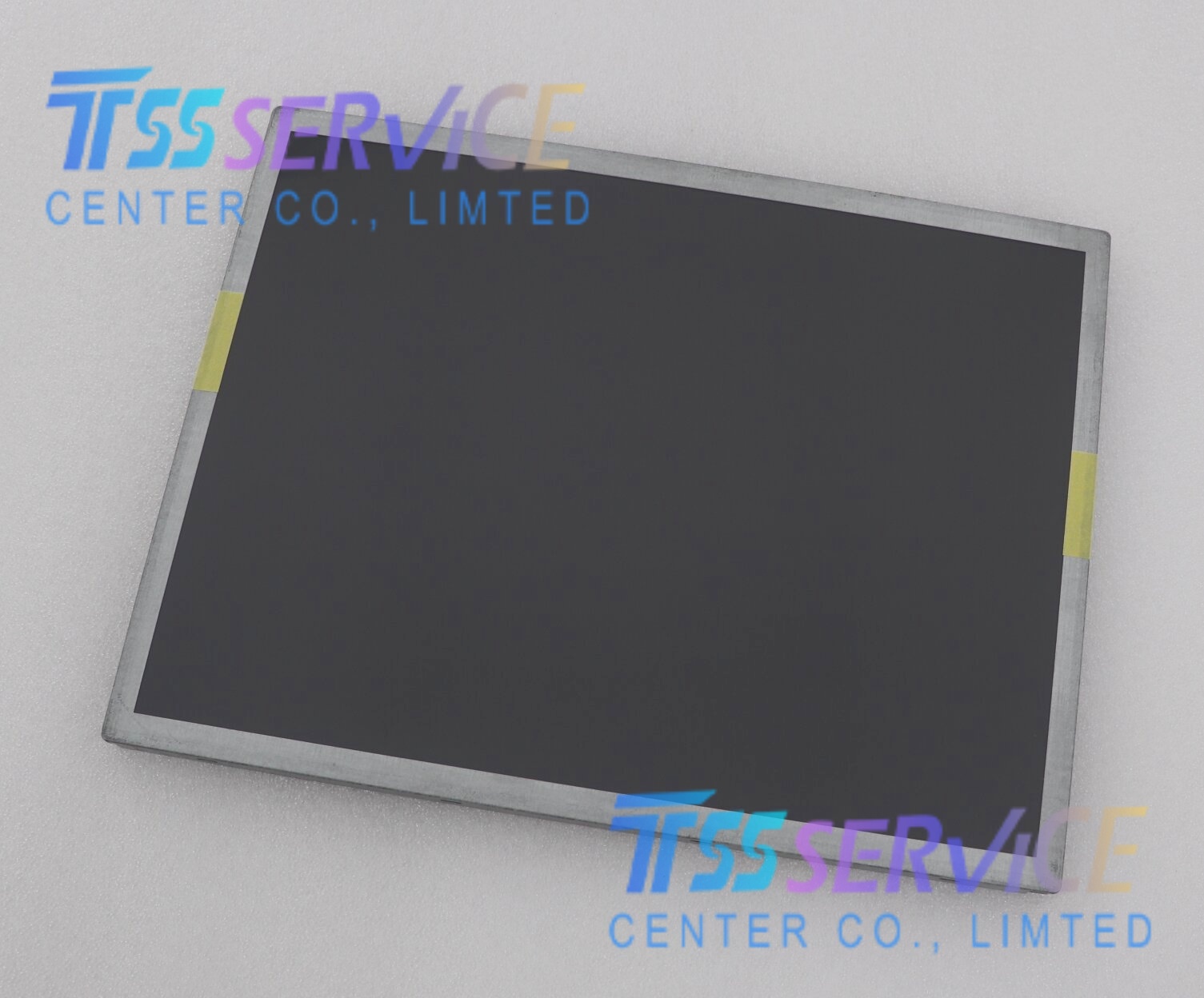
While the market has shifted to widescreen formats, the 4:3 aspect ratio and XGA resolution of the AM1024768Q1 are not a relic of the past, but a deliberate choice for functional superiority. In industrial HMI software, data is often presented in vertical lists, Gantt charts, or control panels containing numerous buttons and status indicators. A 4:3 screen provides a taller vertical workspace, allowing operators to view more of a process sequence without scrolling—a critical advantage when monitoring real-time alarms or batch production data.
Furthermore, the 1024×768 resolution provides a pixel density that is ideal for viewing distance. At a typical operator arm’s length (60-80 cm), individual pixels are not visible, yet the resolution is low enough to ensure that system memory and processing power are not wasted on rendering unnecessary detail. This balance allows embedded HMI systems powered by Linux or Windows CE to run efficiently. The LVDS interface of this display ensures stable, high-speed data transmission with minimal electromagnetic interference, a crucial factor when the display is mounted near high-voltage motors or frequency drives.
Integrating the AM1024768Q1: The Role of the EDPKIT and Touch Options
Integration is where the Ampere AM1024768Q1 truly shines for system integrators and OEMs. The display is often paired with the EDPKIT (Evaluation and Development Kit), which simplifies the process of connecting the LCD to a standard graphics controller, such as an HDMI or VGA source. This kit eliminates the need for custom cable fabrication, drastically reducing the time from prototype to production.
For user interaction, the panel supports multiple touch integration options, the most common being:
-
Resistive Touch: The most rugged solution, resistive touch can be operated with a gloved hand, a stylus, or even a standard screwdriver. It is ideal for dirty, oily, or wet environments common on factory floors.
-
PCAP (Projected Capacitive) Touch: For applications requiring multi-touch gestures (pinch-to-zoom, swipe), PCAP is available. This is increasingly favored in modern, "smart" factory HMIs where user experience is prioritized, though it requires a clean, dry interface.
The combination of a standard signal interface (LVDS) and readily available touch controllers makes the AM1024768Q1 one of the most straightforward displays to drive in its class, ensuring long-term availability and ease of replacement in critical infrastructure.
Cost-Efficiency and Lifecycle Management in Bulk Procurement
From a procurement manager’s perspective, the Ampire AM1024768Q1 offers compelling economic advantages. In the industrial display market, the risk of component obsolescence is a primary cost driver. A product change requires redesigning the front bezel, the mounting brackets, and potentially the backlight driver circuitry. The AM1024768Q1 is built on a well-established technology that Ampere has committed to maintaining for a standard lifecycle of five to seven years, with production runs often continuing longer due to consistent demand.
This stability reduces Total Cost of Ownership (TCO) because:
-
No NRE (Non-Recurring Engineering) costs for redesigning the enclosure each time a display is revised.
-
Bulk pricing becomes highly aggressive for a high-reliability product. For volume orders of 100+ units, the unit price often drops below that of a consumer-grade monitor when factoring in the added industrial certifications and warranty.
-
Global availability of the LVDS interface means sourcing compatible drivers and controllers is not vendor-locked, giving OEMs flexibility in their supply chain.
The Ampire AM1024768Q1 15-inch 1024×768 LCD display is more than just a screen; it is a durable, optically optimized, and economically sensible component for the heart of industrial automation. Its deliberate adherence to the proven 4:3 aspect ratio and XGA resolution ensures that critical data is presented efficiently without wasted resources, while its robust construction directly addresses the thermal and physical shocks of harsh environments. Supported by flexible touch options and a stable supply chain, this panel offers a low-risk, high-reliability solution for HMI designers. For any engineer tasked with selecting a display that must work for a decade without compromise, the AM1024768Q1 remains a benchmark of practical excellence in industrial technology.


