In the demanding world of industrial technology, the display panel is far more than a simple window to data; it is a critical interface engineered for resilience, clarity, and unwavering performance under pressure.
In the demanding world of industrial technology, the display panel is far more than a simple window to data; it is a critical interface engineered for resilience, clarity, and unwavering performance under pressure. The AUO G156XTN01.1 15.6-inch TFT-LCD panel stands as a prime example of this specialized engineering, designed to meet the rigorous standards of industrial applications where commercial-grade screens would falter. This article delves into the core attributes that make this panel a preferred choice for machine interfaces, transportation systems, and harsh environment computing.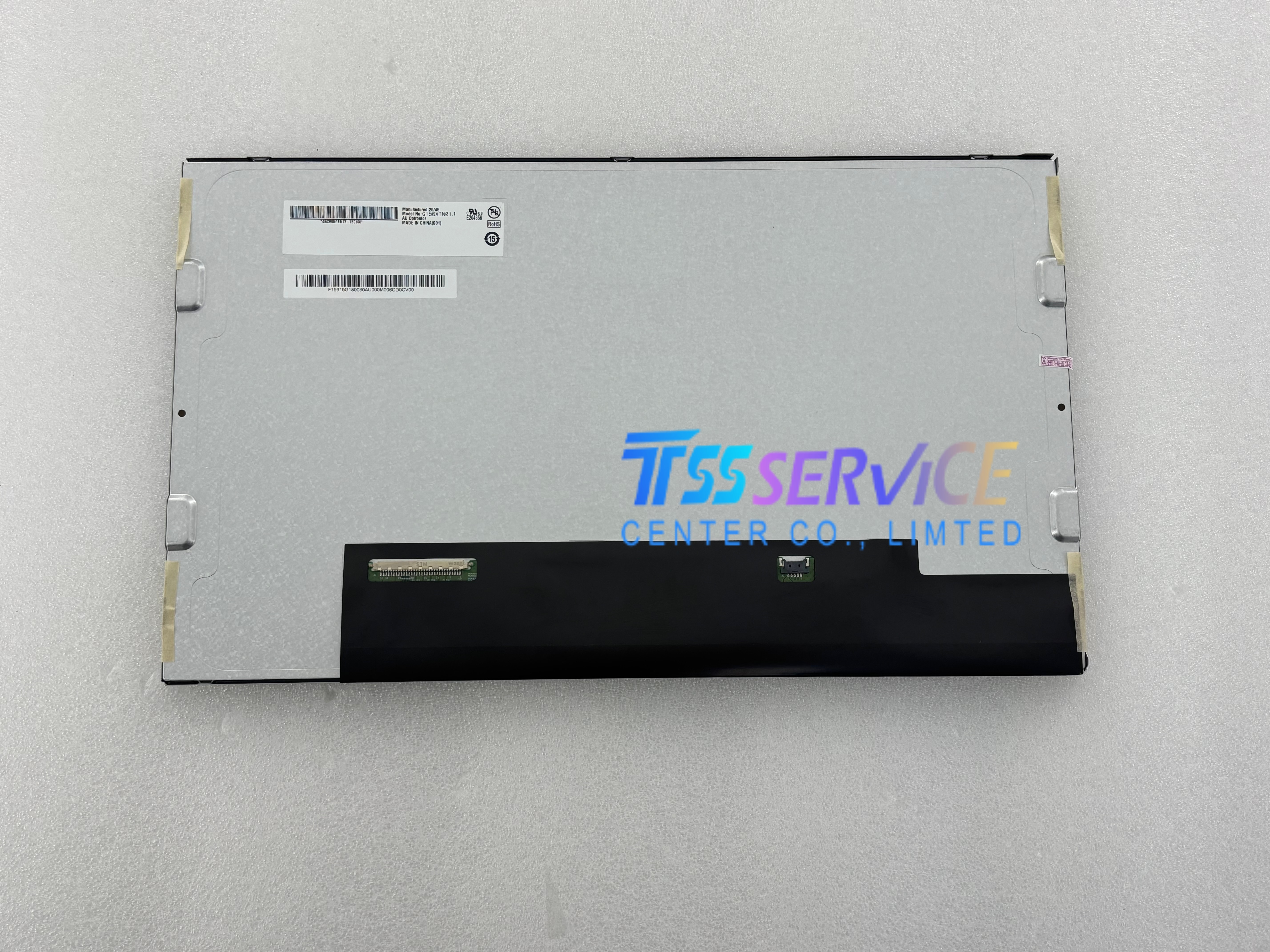
We will explore its robust physical and optical specifications, analyze the design features that ensure reliability in challenging conditions, examine its versatile integration capabilities, and finally, consider the practical applications where its value is fully realized. This deep dive aims to provide engineers, system integrators, and procurement specialists with a comprehensive understanding of how the G156XTN01.1 delivers not just an image, but a dependable industrial solution.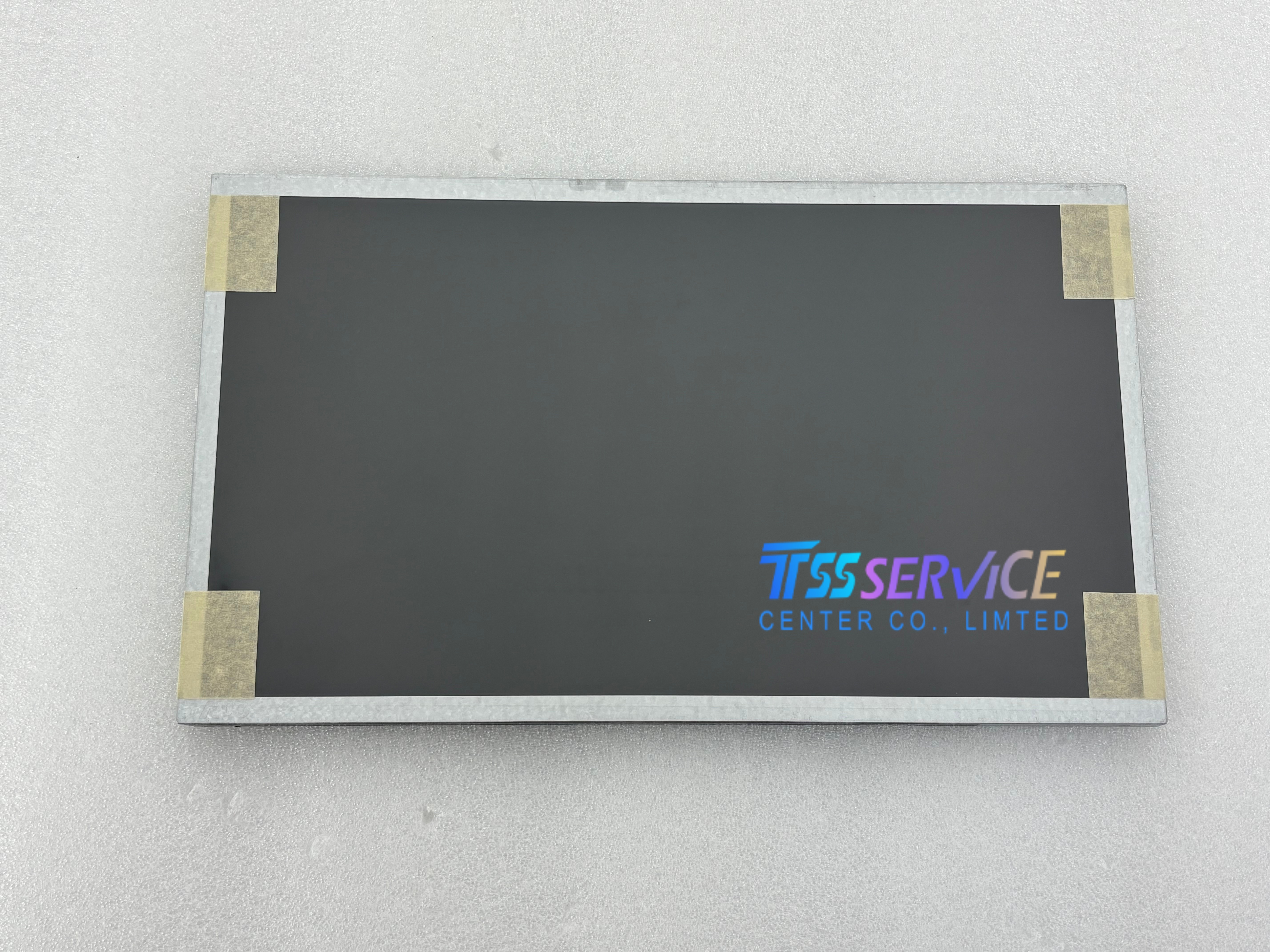
Robust Core Specifications for Demanding Environments
At the heart of the AUO G156XTN01.1 lies a set of specifications meticulously chosen for industrial duty. Its 15.6-inch diagonal size offers an optimal balance between viewable area and form factor, fitting standard panel mounts for kiosks, medical carts, and control cabinets. The panel utilizes a Twisted Nematic (TN) technology, which, while offering standard viewing angles, provides a critical advantage for industrial use: exceptionally fast response times. This minimizes motion blur in dynamic monitoring applications, such as on factory floors or in logistics tracking systems.
The display boasts an HD+ resolution of 1366 x 768 pixels, delivering sufficient detail for data visualization, user interfaces, and diagnostic information without imposing excessive processing overhead on embedded systems. Its high brightness level, typically reaching 1000 nits, is a standout feature. This ensures outstanding readability in brightly lit indoor environments or under direct sunlight when used in transportation, a non-negotiable requirement for safety and operational efficiency. This combination of speed, clarity, and luminosity forms the foundational pillar of its industrial suitability.
Engineered for Reliability and Longevity
Beyond initial specs, the true measure of an industrial panel is its durability over time. The G156XTN01.1 is built to withstand the environmental stressors that are commonplace in factories, outdoor installations, and mobile deployments. It features an extended operating temperature range, allowing it to function reliably in both freezing cold and high-heat conditions where consumer displays would fail. The panel's construction is designed to resist vibration and shock, protecting the delicate internal components from the constant hum and occasional jolts of industrial machinery.
Furthermore, industrial displays are expected to operate continuously for months or even years. This panel is engineered for long-term reliability with a robust backlight design and components rated for extended lifespans, reducing total cost of ownership by minimizing downtime and replacement frequency. Its resistance to dust and moisture ingress further underscores its rugged design philosophy, ensuring consistent performance in less-than-ideal conditions where particulate matter or humidity are persistent challenges.
Integration and Interface Flexibility
A superior panel is of little use if it cannot be seamlessly integrated into existing systems. The AUO G156XTN01.1 excels in this regard with its flexible and industry-standard interface options. It primarily features LVDS (Low-Voltage Differential Signaling) input, a widely adopted, robust interface in the industrial and embedded sectors known for its noise immunity and reliability over longer cable runs within equipment. This makes it compatible with a vast array of industrial single-board computers and controller boards.
The panel is offered with a standard 30-pin connector, simplifying the sourcing of compatible cabling and driver boards. Its design often includes a metal frame or robust bezel, facilitating secure mounting in various chassis. This focus on ease of integration allows OEMs and system builders to reduce development time and complexity, accelerating product time-to-market. The panel’s power requirements are also tailored for embedded systems, aligning with common DC power supplies found in industrial settings.
Targeted Applications and Real-World Value
The specific attributes of the G156XTN01.1 translate directly into value across a spectrum of demanding fields. In industrial automation, it serves as the primary HMI (Human-Machine Interface) on PLC control stations, CNC machines, and robotic control units, where its brightness and reliability are paramount. The transportation sector utilizes it in train conductor displays, bus information systems, and aviation ground support equipment, leveraging its sunlight readability and wide temperature tolerance.
Other critical applications include:
-
Medical and Healthcare Equipment: For diagnostic displays and mobile carts where consistent performance is vital.
-
Marine and Military Systems: Where equipment must endure extreme conditions and provide fail-safe operation.
-
Point-of-Sale and Kiosks: In high-traffic public environments that demand 24/7 operation and resistance to environmental wear.
In each scenario, the panel moves beyond being a commodity component to become a key contributor to system uptime, user safety, and operational continuity.
The AUO G156XTN01.1 15.6-inch TFT-LCD panel exemplifies the specialized engineering required for industrial success, merging high-brightness visuals, rugged environmental tolerance, and reliable integration features into a cohesive solution. Its value is proven not in laboratory specs alone, but through sustained performance on factory floors, in transportation networks, and within critical systems where failure is not an option. For engineers seeking a display that prioritizes durability and clarity under pressure, this panel stands as a compelling and dependable choice for the long haul.


