In the demanding world of industrial technology, display performance is not a luxury—it's a critical component of operational reliability and efficiency. At the heart of countless rugged applications, from factory automation and medical devices to transportation and point-of-sale systems
In the demanding world of industrial technology, display performance is not a luxury—it's a critical component of operational reliability and efficiency. At the heart of countless rugged applications, from factory automation and medical devices to transportation and point-of-sale systems, lies a specialized class of components built to endure where standard commercial panels would fail. This article delves deep into one such exemplary component: the AUO 17-inch LCD panel, model G170ETN01.0.
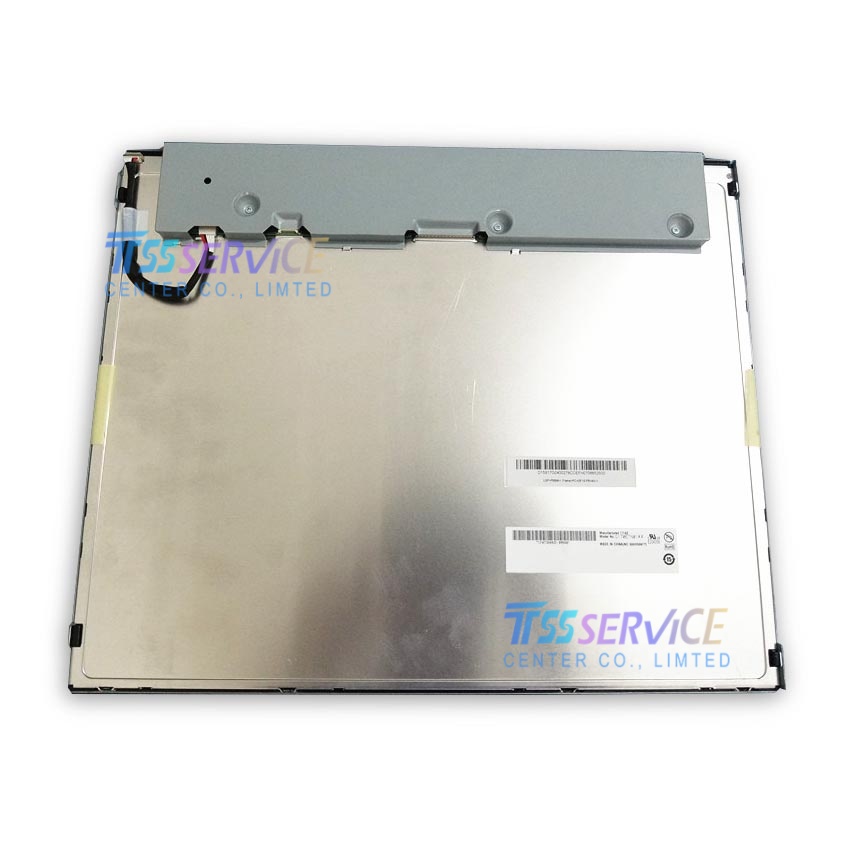
Our exploration will move beyond basic specifications to uncover the engineering philosophy that makes this display an industrial workhorse. We will analyze its core technological strengths, decode the environmental and electrical ruggedness that defines its reliability, and examine the practical integration considerations for system designers. Finally, we will contextualize its role within the broader industrial ecosystem, providing a comprehensive understanding of its value proposition for mission-critical applications.
Engineering for Endurance: The Core Architecture of the G170ETN01.0
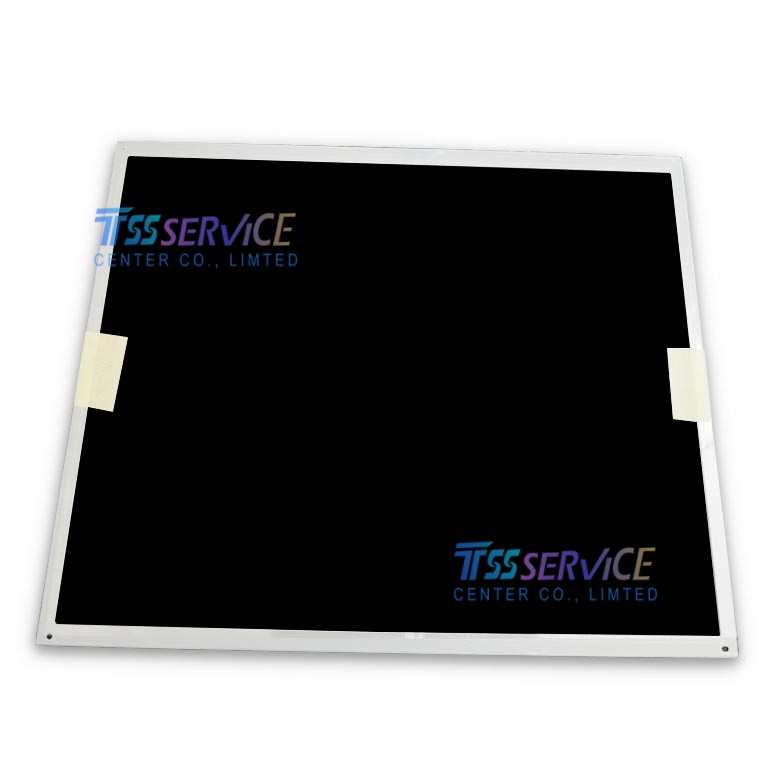
Unlike consumer displays optimized for vibrant media consumption, the AUO G170ETN01.0 is architected from the ground up for stability and longevity. Its 17-inch diagonal, with a native XGA (1024 x 768) resolution, represents a deliberate and enduring standard in industrial human-machine interfaces (HMIs). This 4:3 aspect ratio is not an anachronism; it is often the perfect fit for legacy system upgrades and for displaying multiple data points and control menus without the wasteful black bars common with widescreen formats.
The panel utilizes a Twisted Nematic (TN) technology, a choice that speaks volumes about its intended use. While offering slightly narrower viewing angles compared to modern IPS panels, TN technology provides exceptionally fast response times, crucial for displaying rapidly updating machine data without ghosting. More importantly, it boasts superior transmittance and lower power consumption, contributing to thermal efficiency and long-term component health. The surface is typically treated with an anti-glare coating, a fundamental feature for environments with complex ambient lighting. This foundational architecture prioritizes signal fidelity, operational efficiency, and durability over fleeting visual flair.
Beyond the Spec Sheet: Defining Ruggedness and Reliability
The true differentiation of an industrial panel lies in its ability to perform consistently under duress. The G170ETN01.0 is engineered to meet or exceed rigorous standards that are irrelevant to the consumer market. Its operational temperature range is significantly wider, often spanning from -20°C to 70°C, ensuring functionality in unheated warehouses or sun-baked factory floors. It is designed to resist high levels of vibration and shock, preventing internal connections from loosening and pixels from failing in mobile or heavy machinery applications.
Electrical and optical robustness are equally paramount. The panel's backlight system, often employing LED arrays with a rated lifespan of 50,000 hours or more, is designed for continuous operation. It features enhanced electrostatic discharge (ESD) protection on its interfaces to safeguard against transient voltage spikes common in industrial settings. Furthermore, the mechanical design ensures a robust seal against dust and moisture ingress, addressing a key point of failure. This confluence of environmental, mechanical, and electrical hardening transforms the display from a mere output device into a reliable system component.
Integration in Practice: Design Considerations for System Builders
For engineers and system integrators, selecting a panel is the first step; successfully embedding it into a final product is the critical next phase. The G170ETN01.0 is designed with integration in mind. It features a standard LVDS (Low-Voltage Differential Signaling) interface, a mature and noise-resistant protocol that ensures clean signal transmission over longer cable runs within a chassis. The mechanical footprint and mounting hole patterns conform to industry-standard VESA mounts, simplifying mechanical design and enclosure selection.
Key practical considerations include:
-
Power Sequencing: Industrial panels require strict adherence to power-on/off sequencing guidelines to prevent latch-up and damage to the driver ICs.
-
Thermal Management: While efficient, the backlight and drivers generate heat. Proper heat sinking or airflow within the sealed enclosure is vital for maximizing lifespan.
-
Customization Potential: For high-volume projects, manufacturers often offer optional modifications such as extended temperature grades, different surface treatments (e.g., optical bonding), or specific connector types, allowing for optimization against exact environmental challenges.
Understanding these integration parameters is essential for unlocking the panel's full potential and ensuring field reliability.
The Strategic Value: Why Component Choice Defines System Integrity
In the final analysis, the choice of a display like the AUO G170ETN01.0 is a strategic decision with far-reaching implications for the total cost of ownership (TCO) and brand reputation. An industrial machine or device is often a capital investment expected to last for a decade or more. A display failure, even a minor one, can lead to costly production downtime, emergency service calls, and eroded user trust.
By selecting a purpose-built industrial panel, OEMs mitigate these risks at the source. They invest in predictable performance, extended mean time between failures (MTBF), and long-term component availability—a critical factor for products with multi-year lifecycles. This component-level reliability cascades upward, solidifying the integrity of the entire system. It allows brands to promise and deliver on uptime, positioning their solutions as dependable partners in their clients' operations rather than potential points of vulnerability.
In conclusion, the AUO G170ETN01.0 17-inch LCD panel exemplifies the critical intersection of focused engineering and practical application in the industrial realm. Its value is not captured in pixel density alone, but in its wide operating tolerances, robust electrical design, and predictable longevity. For system designers and OEMs, components of this caliber are the unsung heroes that transform a functional device into a reliable asset. By prioritizing endurance over ephemeral specs, they ensure that the interface between human and machine remains clear, consistent, and trustworthy for years to come, ultimately safeguarding productivity and operational continuity in the world's most challenging environments.


