In the demanding worlds of industrial automation and medical technology, the display interface is far more than a simple window to data—it is a critical component of system reliability, user interaction, and operational success.
In the demanding worlds of industrial automation and medical technology, the display interface is far more than a simple window to data—it is a critical component of system reliability, user interaction, and operational success. Selecting the right LCD panel requires a deep understanding of specifications that translate to real-world performance in harsh, mission-critical environments. This article provides an in-depth exploration of the NEW M195RTN01.0, a 19.5-inch LCD panel from AUO (AU Optronics) designed specifically for these challenges.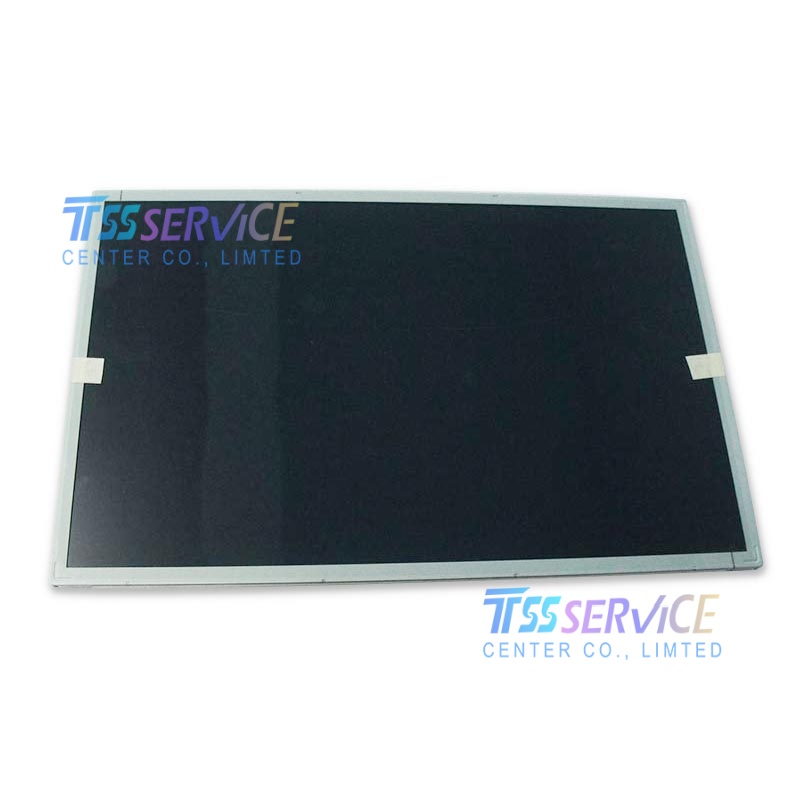
We will dissect its core technological features, analyze its suitability for industrial control and medical applications, and evaluate the tangible benefits it delivers over standard commercial displays. By moving beyond basic datasheet parameters, this analysis aims to equip engineers, system integrators, and procurement specialists with the insights needed to make an informed decision for their next high-stakes project.
Engineering for Endurance: Core Specifications and Robustness
At its heart, the AUO M195RTN01.0 is engineered for resilience. Its 19.5-inch diagonal size with a 1600x900 resolution (HD+) offers a balanced workspace, providing ample screen real estate for complex control dashboards or patient monitoring data without overwhelming the physical footprint of equipment. The panel utilizes an a-Si TFT LCD technology with an IPS (In-Plane Switching) panel type. This is a crucial differentiator, as IPS technology delivers superior color consistency, wider viewing angles (typically 89/89/89/89), and minimal color shift, ensuring the display remains accurate and readable from various operational positions.
Beyond the image, its construction is tailored for longevity. Designed for 24/7 continuous operation, it features a high-brightness backlight, often exceeding 500 nits or more, to combat glare in brightly lit industrial floors or medical settings. The typical operating temperature range is wide, and it employs robust signal interfaces like LVDS, known for reliability in electrically noisy environments. These specifications collectively form a foundation built not for consumer convenience, but for unwavering industrial-duty performance.
Industrial Control: The Nerve Center's Reliable Interface
In industrial control systems—from factory SCADA (Supervisory Control and Data Acquisition) stations to PLC (Programmable Logic Controller) HMIs (Human-Machine Interfaces)—display failure can lead to costly downtime or even safety hazards. The M195RTN01.0 addresses these risks directly. Its high brightness and anti-glare surface treatment ensure visibility under challenging lighting, from shadowy control rooms to sun-washed factory floors. The wide viewing angles allow multiple operators to view process data simultaneously without distortion.
Furthermore, the panel's reliability under continuous operation means it can run production lines across multiple shifts without degradation. Compatibility with industrial-grade touch solutions (resistive or projected capacitive) facilitates intuitive interaction, even when operators wear gloves. The panel's stability in fluctuating temperatures and resistance to vibration make it a trustworthy component in the unforgiving environment of manufacturing and process control, where it serves as the unwavering nerve center for critical operations.
Medical Applications: Where Clarity Meets Compliance
The stakes in medical equipment—such as patient monitors, diagnostic ultrasound systems, or surgical information displays—are profoundly high. Here, display performance directly impacts diagnostic accuracy and patient care. The M195RTN01.0's IPS panel is vital, offering consistent grayscale performance and color fidelity essential for interpreting medical images and waveforms. High brightness ensures readability in various ambient light conditions within hospitals and clinics.
While specific medical certifications depend on the final system assembly, panels like this are designed to support compliance with stringent medical safety and EMC (Electromagnetic Compatibility) standards. Their low electromagnetic interference is critical in sensitive medical environments. The robust design minimizes the risk of failure, a non-negotiable requirement in life-critical settings. This display becomes a reliable partner for healthcare professionals, presenting vital signs and diagnostic data with the clarity and reliability they depend on.
Value Beyond the Spec Sheet: Total Cost of Ownership and Integration
Choosing a display for critical applications requires a Total Cost of Ownership (TCO) perspective, not just an upfront cost analysis. While industrial and medical-grade panels like the M195RTN01.0 may have a higher initial price than consumer screens, their long-term value is undeniable. Their extended lifespan and 24/7 durability reduce replacement frequency and maintenance costs. High reliability minimizes the risk of expensive system downtime, which in industrial or medical contexts can far outweigh the component's cost.
Integration is also streamlined. The panel's standard form factor and common LVDS interface simplify the design-in process for OEMs (Original Equipment Manufacturers). Long-term supply commitments from a tier-1 supplier like AUO mitigate the risk of obsolescence, ensuring product lifecycle support. This combination of durability, reliability, and supply stability translates into lower risk, fewer operational interruptions, and greater long-term value for the system builder and the end-user.
In conclusion, the AUO M195RTN01.0 19.5-inch LCD panel exemplifies a component designed with a clear purpose: to deliver unwavering performance where it matters most. Its IPS technology, rugged build for continuous operation, and suitability for both industrial and medical environments make it a superior choice over commercial-grade alternatives. The decision to integrate such a panel is an investment in system reliability, user effectiveness, and operational continuity. For engineers designing the next generation of control systems or medical devices, specifying a display with this caliber of performance is not merely a technical choice, but a strategic one that underpins the success and safety of the entire application.


