In the demanding landscape of industrial automation and human-machine interface (HMI) design, the choice of a display is not merely a specification check—it is a strategic decision that impacts operational efficiency,
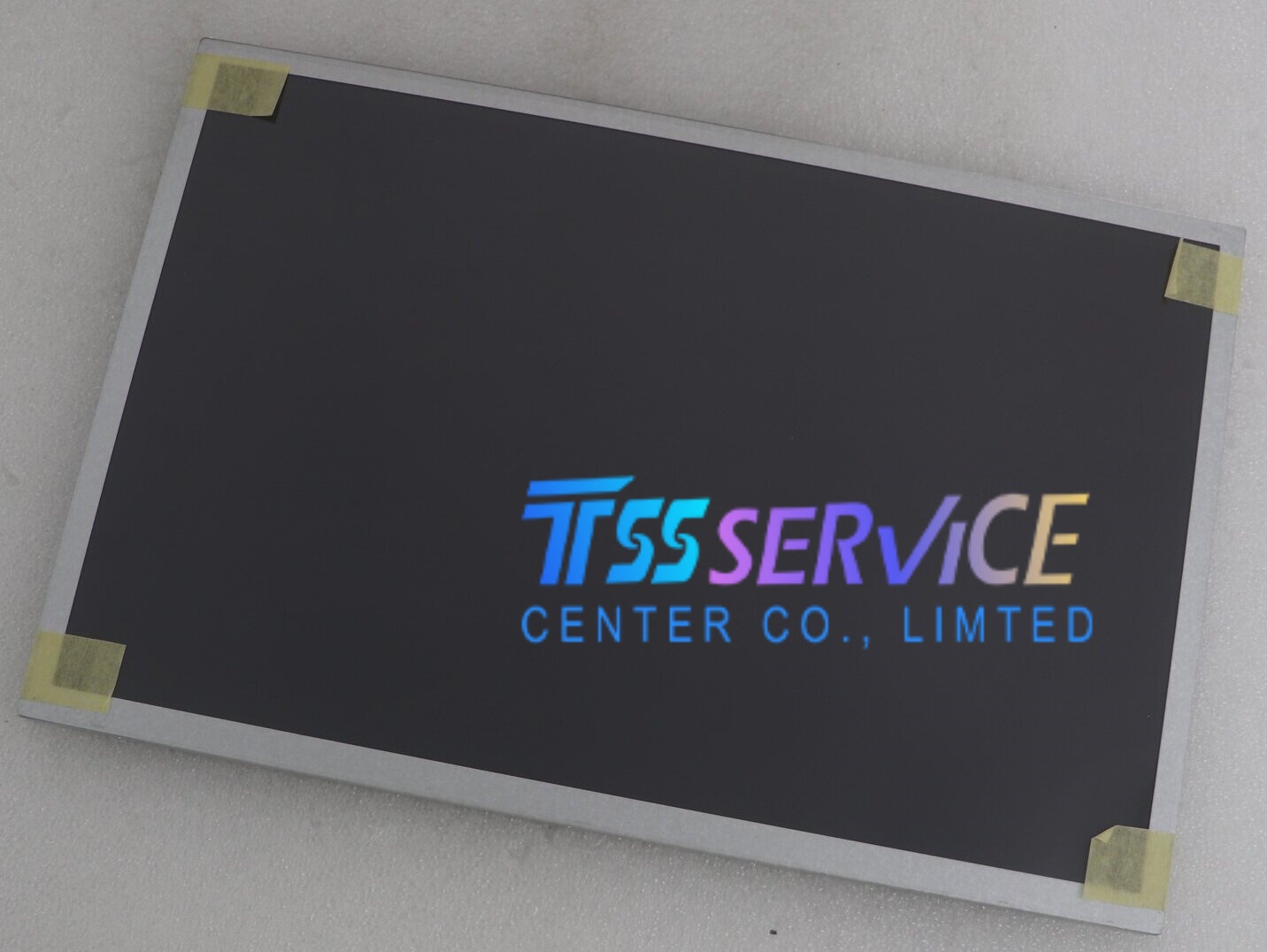
In the demanding landscape of industrial automation and human-machine interface (HMI) design, the choice of a display is not merely a specification check—it is a strategic decision that impacts operational efficiency, user safety, and long-term equipment lifecycle. Among the myriad of options, the AUO G121EAC01.0 has emerged as a cornerstone component for mid-scale panel PCs and embedded systems. This article moves beyond basic datasheet recitations to explore the engineering philosophy, optical performance criteria, and practical integration realities of this specific 12.1-inch TFT-LCD module. We will dissect why the 1280 × 800 (WXGA) resolution paired with a 16:10 aspect ratio creates a superior work surface for industrial environments, and how AUO's manufacturing rigor translates into tangible reliability benefits for system integrators and end-users alike.
The Strategic Advantage of the 12.1-Inch WXGA Form Factor
The G121EAC01.0 occupies a unique sweet spot in industrial display sizing. While smaller 10.4-inch screens often feel cramped for complex data dashboards and larger 15-inch panels can be prohibitively large for space-constrained control cabinets, the 12.1-inch diagonal offers a balanced footprint. The 1280 × 800 resolution, commonly referred to as WXGA, is a deliberate departure from the standard 1024 × 768 (XGA) found in older industrial models. The additional 256 horizontal pixels and the shift to a 16:10 ratio provide a tangible advantage: the ability to display two standard application windows side-by-side without excessive truncation. This is critical for modern SCADA systems where operators need to monitor real-time trends alongside alarm logs or camera feeds simultaneously.
Furthermore, the pixel density at this size (~124 PPI) achieves an ergonomic sweet spot. At typical viewing distances of 60-80 cm, text remains crisp without forcing the operator to squint, while icons and touch targets are large enough to be selected accurately even with gloved hands. The WXGA format also aligns natively with many modern embedded SBCs and ARM-based processors, eliminating the need for costly scaling logic that can introduce input lag or image artifacts. From an architectural perspective, selecting the G121EAC01.0 simplifies both the electrical and mechanical design, as it leverages a well-understood LVDS interface standard, reducing signal integrity risks in noisy factory environments.
Optical Performance: Beyond Brightness and Contrast
When evaluating an industrial LCD, the headline numbers—500 cd/m² typical brightness and 1000:1 contrast ratio—are only half the story. The true engineering merit of this AUO panel lies in its consistent optical behavior under adverse conditions. The specified brightness is not merely a peak value; the G121EAC01.0 is designed with a carefully managed LED backlight driver that maintains luminance uniformity within tight tolerances across the entire active area. This is vital for medical or inspection applications where a 10% brightness shift from the center to the corner could cause misinterpretation of grayscale gradients.
Equally important is the panel's wide viewing angle technology. Utilizing a TN (Twisted Nematic) mode with advanced compensation films, or in some production runs an IPS-like technology, the display achieves 80/80/80/80 degree viewing angles (typical). This ensures that information remains legible from oblique angles, which is common when an HMI is mounted inside a cabinet or at an elevated position on a machine. The anti-glare surface treatment is another subtle but critical feature. Instead of a glossy finish that produces distracting specular reflections from overhead factory lighting, the surface diffuses ambient light. This reduces operator eye fatigue during extended shifts and prevents screen washout, allowing the 500 cd/m² backlight to be used more effectively without needing to run at full power, thereby extending the lifespan of the LEDs.
Interface, Power Management, and System Integration
Integration success for the G121EAC01.0 hinges on understanding its single-channel LVDS interface. Operating at a 6-bit or 8-bit color depth, the panel requires a careful layout of the 20-pin or 30-pin connector trace to minimize electromagnetic interference (EMI). Industrial designers should note that AUO specifies strict timing parameters for the pixel clock and horizontal/vertical blanking intervals. Adherence to these parameters ensures that the panel operates in its linear region, preventing subtle flicker or ghosting that could be mistaken for system instability.
Power management is another domain where this display demonstrates engineering maturity. The backlight power consumption, typically under 10W, is managed via an integrated boost converter that accepts a wide input voltage range, usually from 10V to 18V. This flexibility allows the display to be powered directly from an industrial power supply without an additional DC-DC converter. For system architects, this reduces BOM cost and board space. Furthermore, the panel includes proper CABC (Content Adaptive Brightness Control) support, which, when enabled, can dynamically adjust the backlight based on the image content. This is not merely a power-saving feature; in dark environments, it reduces the perceived flicker of high-frequency light, contributing to a more stable visual experience for machine operators who monitor the display for prolonged periods.
Thermal and Environmental Durability: The Industrial Prerequisite
Unlike consumer displays that are designed for a limited thermal envelope and moderate humidity, the G121EAC01.0 is engineered for the rigors of the factory floor. Its operational temperature range, spanning -30°C to +85°C, is a testament to the use of industrial-grade liquid crystal materials and robust polarizer adhesives. At low temperatures, the LC response time increases, but this panel maintains a usable performance down to -20°C without requiring an external heater, which is a common specification for cold storage logistics or outdoor kiosks. At high temperatures, the panel resists thermal decomposition of the polarizer, which prevents the dreaded "fogging" or "yellowing" that plagues lesser displays in enclosures with poor ventilation.
Moreover, the display is typically offered with an anti-vibration and shock resistance rating meeting or exceeding industrial standards. This is achieved through a reinforced bezel design and careful selection of the glass thickness. In applications like portable diagnostic equipment or robotic cell HMIs, these mechanical characteristics prevent pixel damage or delamination of the optical stack. The RoHS and REACH compliance is standard, but AUO goes a step further by providing detailed reliability test data, including MTBF (Mean Time Between Failures) figures that often exceed 50,000 hours for the backlight. This data is invaluable for OEMs calculating end-of-life service intervals or warranty terms for their machinery.
The G121EAC01.0 represents a holistic engineering solution rather than a mere component. Its balanced 12.1” WXGA format addresses the ergonomic needs of modern industrial operators while its robust optical design, flexible interface, and wide environmental tolerance provide system integrators with a reliable foundation for mission-critical applications. Choosing this AUO panel is an investment in reducing field failures, minimizing operator error, and simplifying the long-term supply chain logistics for industrial equipment manufacturers.


