In the intricate world of electronic components, the display panel serves as the critical nexus between digital information and human perception. Our focus today is on a specific, industrially significant model: the G121SN01 V0, a 12.1-inch LCD display panel manufactured by AU Optronics (AUO). This panel, characterized by its 800×600 SVGA resolution, is far more than a simple screen
In the intricate world of electronic components, the display panel serves as the critical nexus between digital information and human perception. Our focus today is on a specific, industrially significant model: the G121SN01 V0, a 12.1-inch LCD display panel manufactured by AU Optronics (AUO). This panel, characterized by its 800×600 SVGA resolution, is far more than a simple screen; it is a precision-engineered solution designed for reliability in demanding environments. This article delves beyond the basic datasheet to explore the technical nuances, ideal applications, and comparative advantages of this panel. We will uncover why, in an era of 4K displays, this particular module continues to be a cornerstone in industrial, medical, and embedded systems, offering a masterclass in balanced performance and robust design.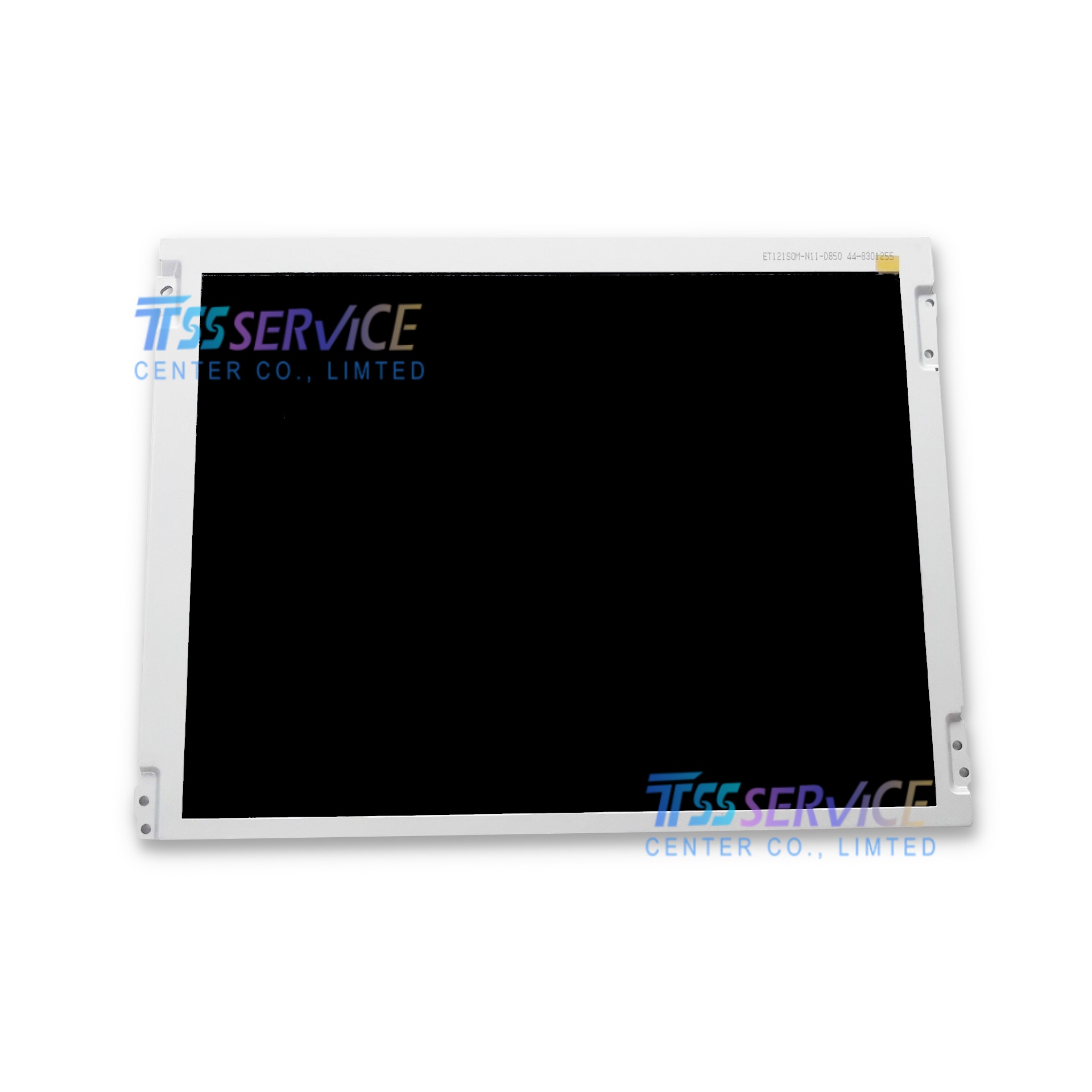
Decoding the G121SN01 V0: Core Specifications and Technical Philosophy
The AUO G121SN01 V0 is built around a 12.1-inch diagonal a-Si TFT-LCD (Thin-Film Transistor Liquid Crystal Display). Its native 800×600 pixel resolution (SVGA) at a 4:3 aspect ratio is its defining characteristic. This format, often considered "legacy" in consumer markets, remains profoundly relevant in industrial contexts. The panel employs an LVDS (Low-Voltage Differential Signaling) interface, a robust and widely adopted standard that ensures stable data transmission with minimal electromagnetic interference. With a typical brightness of 300 nits and a contrast ratio of 500:1, it is engineered for clear readability under controlled or indoor lighting conditions.
More than just numbers, these specifications reveal a design philosophy centered on durability and longevity. The 4:3 aspect ratio is ideal for displaying traditional data interfaces, machine control panels, and legacy software applications without wasteful black bars or distorted scaling. The LVDS interface contributes to lower system noise and power consumption compared to older TTL interfaces. Understanding these foundational choices is key to appreciating the panel's role not as a high-end visual consumption device, but as a reliable, no-nonsense window into mission-critical processes and data.
The Engineered Niche: Primary Applications and Use Cases
The true value of the G121SN01 V0 is realized in its application environments, where reliability trumps flashy specs. Its primary domain is the industrial automation and Human-Machine Interface (HMI) sector. Here, it is integrated into factory control systems, PLC operator panels, and test equipment. The panel's resilience to continuous operation, stable performance across temperature variances, and compatibility with industrial PCs make it indispensable.
Beyond the factory floor, this display finds a home in medical devices (such as patient monitors and diagnostic equipment) and transportation (in-vehicle information systems for buses or trains), where consistent performance is non-negotiable. Another significant application is in embedded systems and kiosks—point-of-sale terminals, self-service check-in machines, and specialized instrumentation. In these uses, the panel is not a standalone product but a component within a larger, purpose-built system. Its long lifecycle and stable supply chain from a tier-1 manufacturer like AUO are as critical as its optical performance, ensuring product maintainability for years.
Comparative Analysis: Strengths in a Crowded Market
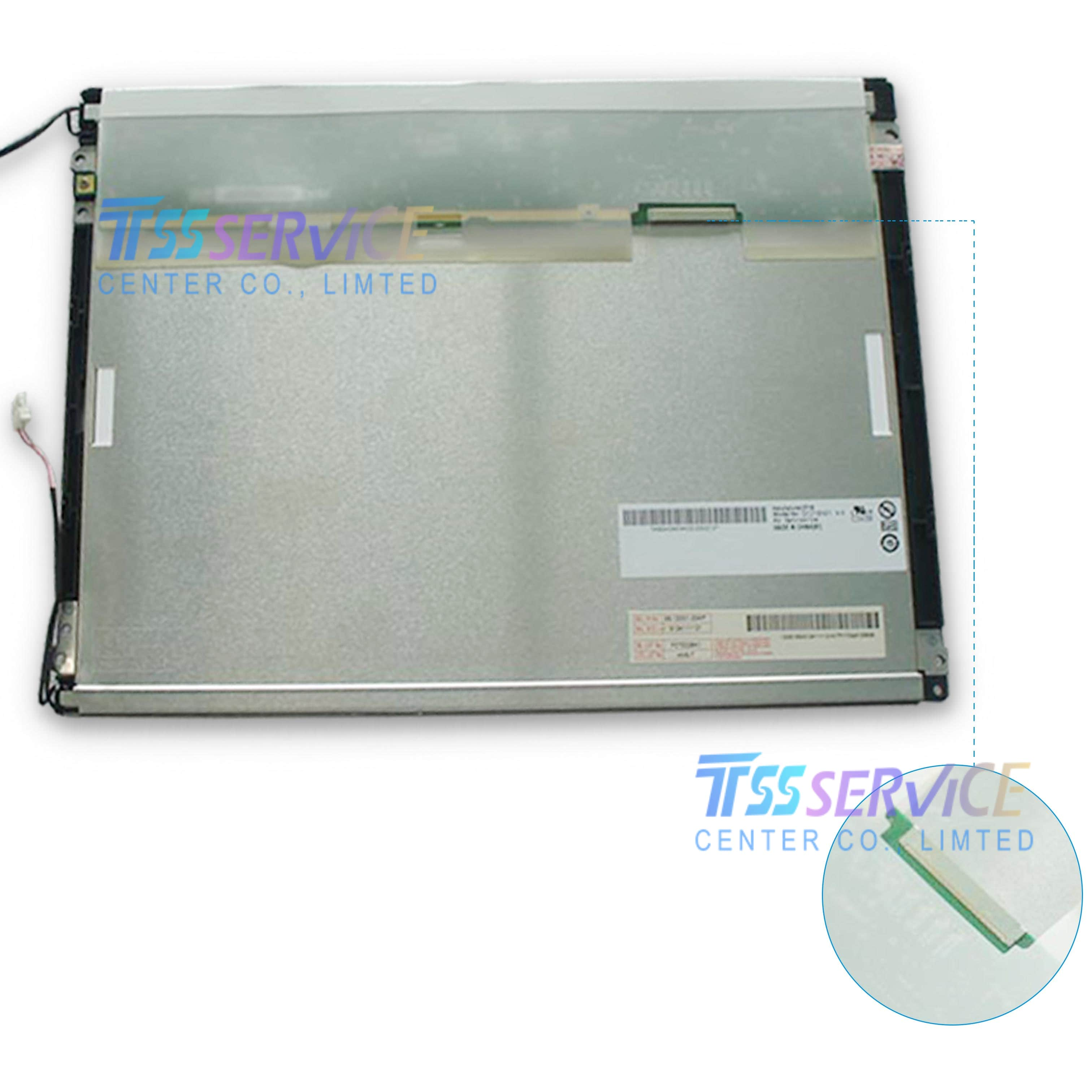
To understand the G121SN01 V0's standing, a comparative perspective is essential. Against modern consumer-grade panels, it lacks high resolution, wide color gamut, or ultra-thin bezels. However, this comparison misses the point. Its competitors are other industrial panels. Here, its strengths shine:
-
Manufacturer Pedigree: As an AUO original panel, it guarantees quality, consistency, and direct technical documentation, unlike generic or reclaimed panels.
-
Optimal Resolution for Purpose: SVGA provides sufficient detail for HMI graphics and text while being less computationally intensive for embedded controllers than higher resolutions, reducing system cost and complexity.
-
Robust Interface and Design: The LVDS interface and standard mounting options offer easier, more reliable integration than panels with newer, less-proven interfaces in harsh conditions.
When evaluated against its true peers, the G121SN01 V0 excels in offering a balanced, risk-averse solution. It avoids the potential compatibility issues and over-engineering of newer, higher-res panels for applications that simply do not require them, providing a cost-effective and proven path to integration.
Integration Essentials and Long-Term Value Considerations
Successfully implementing the G121SN01 V0 requires attention to integration specifics. Designers must account for its power requirements (typically 3.3V or 5V for the logic and a backlight voltage), ensuring the power supply is clean and stable to avoid display artifacts. The LVDS interface requires a compatible controller board (often called an LCD controller or driver board) to convert signals from a source like HDMI or VGA from the host system.
The long-term value proposition is a key selling point. For OEMs (Original Equipment Manufacturers), using a widely available, standard panel like this mitigates supply chain risk and simplifies future repairs or production runs. The total cost of ownership is favorable when factoring in reduced development time, proven reliability lowering warranty claims, and the avoidance of over-specification. Sourcing from authorized or highly reputable distributors is crucial to avoid counterfeit or "compatible" panels that may compromise performance and longevity, protecting the integrity of the final product.
In conclusion, the AUO G121SN01 V0 12.1-inch LCD panel exemplifies how optimal engineering is defined by context, not just cutting-edge specifications. Its enduring relevance in industrial, medical, and embedded systems is a testament to its robust design, reliable performance, and perfect suitability for its intended niches. For engineers and procurement specialists, selecting this panel represents a strategic decision that prioritizes system stability, ease of integration, and long-term operational value over mere pixel density. It remains a benchmark for balanced, application-driven display technology.


