In the demanding world of industrial technology, display panels are far more than mere windows to data; they are critical components engineered for resilience, longevity, and unwavering performance. This article delves into the AUO G150XTN06.A, a 15-inch a-Si TFT-LCD panel designed specifically to thrive where standard commercial screens would falter.
In the demanding world of industrial technology, display panels are far more than mere windows to data; they are critical components engineered for resilience, longevity, and unwavering performance. This article delves into the AUO G150XTN06.A, a 15-inch a-Si TFT-LCD panel designed specifically to thrive where standard commercial screens would falter. With its 1024×768 (XGA) resolution, this display module represents a cornerstone solution for a vast array of industrial applications, from factory automation and medical devices to transportation and point-of-sale systems.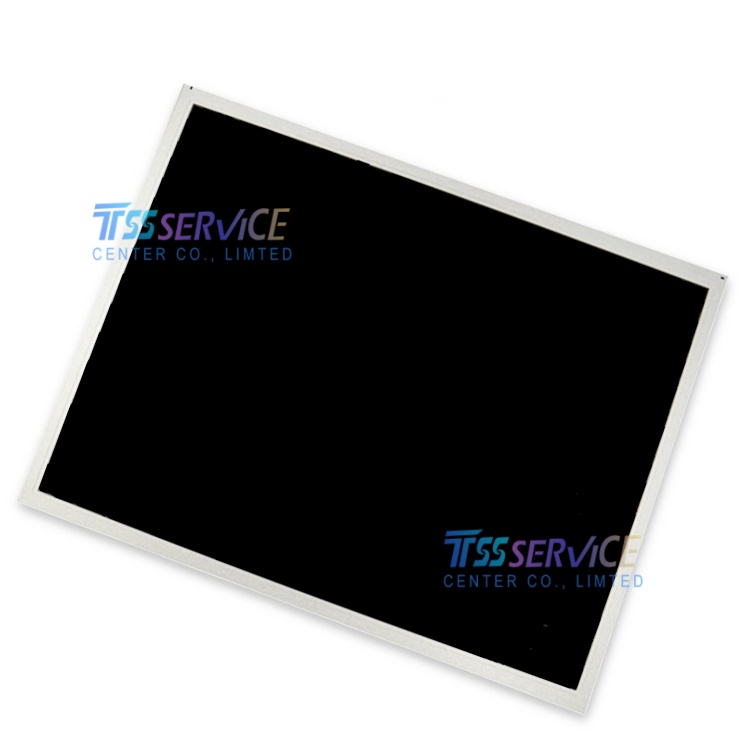
We will explore the technical specifications and inherent strengths of this panel, moving beyond basic datasheet parameters to understand the engineering philosophy behind its design. The discussion will progress to its targeted industrial applications, the critical environmental and reliability features that define its value, and finally, the key integration considerations for engineers and system designers. This comprehensive analysis aims to provide a deep understanding of why the AUO G150XTN06.A stands as a reliable workhorse in the industrial display landscape.
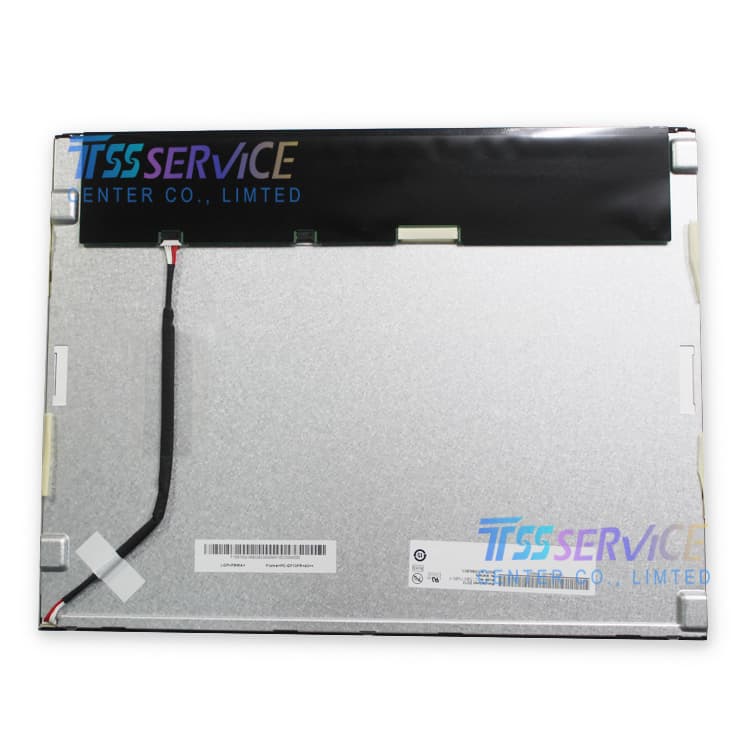
Engineering for Clarity and Durability: Core Specifications Decoded
At its heart, the AUO G150XTN06.A is built around a 15.0-inch diagonal a-Si (amorphous Silicon) TFT-LCD. The choice of a-Si technology is deliberate, offering a mature, cost-effective, and reliable manufacturing process perfectly suited for the long lifecycle demands of industrial products. Its native resolution of 1024×768 pixels, adhering to the XGA standard, provides a balanced pixel density for 15-inch screens, ensuring sharp text, clear graphics, and sufficient screen real estate for control interfaces without imposing excessive processing overhead on embedded systems.
The panel employs a transmissive display structure with a standard CCFL or LED backlighting system (depending on configuration), delivering consistent brightness essential for varied lighting conditions. Key performance metrics include a high contrast ratio for image depth, wide viewing angles (typically 80/80/80/80 in Left/Right/Up/Down directions) crucial for multi-operator stations, and a color gamut covering a significant portion of the sRGB spectrum. These specifications are not marketed for multimedia extravagance but are meticulously calibrated for legibility, accuracy, and operational clarity over extended periods, forming the foundation of its industrial utility.
The Industrial Arena: Primary Applications and Use Cases
The true measure of an industrial component lies in its application. The G150XTN06.A finds its purpose in environments where reliability is non-negotiable. In factory automation and Human-Machine Interfaces (HMIs), it serves as the primary touchpoint for operators, displaying real-time machine telemetry, control schematics, and production data. Its robust design withstands constant use and potential exposure to ambient vibrations or dust.
In the medical field, this panel is integrated into diagnostic equipment, patient monitoring systems, and surgical aids, where consistent grayscale performance and color fidelity can be critical. The transportation sector utilizes it in fleet management terminals, railway control systems, and marine navigation, where readability in direct sunlight or dim cabins is paramount. Furthermore, it is a mainstay in point-of-sale (POS) systems, kiosks, and ruggedized laptops, enduring public use and variable environmental conditions. Its versatility across these sectors underscores its design as a general-purpose industrial-grade solution.
Beyond the Image: Environmental Robustness and Longevity Features
What distinctly separates an industrial panel like the AUO G150XTN06.A from its commercial counterparts are features not immediately visible on the spec sheet. These are the attributes that guarantee operation in harsh conditions. The panel is engineered to operate across an extended temperature range, often from -20°C to 70°C or wider, ensuring functionality in unheated warehouses or sun-baked outdoor enclosures.
Its construction prioritizes resistance to shock and vibration, with components securely fastened and the LCD cell itself designed to handle mechanical stress. Long-term reliability is a cornerstone; the backlight system is rated for tens of thousands of hours of operation, minimizing maintenance downtime. Furthermore, the panel often features anti-glare and hard-coated surface treatments to reduce reflections, resist scratches, and facilitate cleaning—a critical requirement for hygiene-sensitive applications like medical or food production. This holistic approach to durability is where the panel's real value is cemented.
Integration Essentials for System Designers
Selecting the right panel is only the first step; successful integration is key. For the G150XTN06.A, designers must pay close attention to its interface requirements, typically a standard LVDS (Low-Voltage Differential Signaling) interface, which ensures stable signal transmission in electrically noisy industrial environments. Power supply design must accommodate the specific voltage and current needs of the backlight (CCFL or LED) and the logic board, often requiring precise inverter circuits or LED drivers.
Mechanical integration involves adhering to precise outline dimensions, bezel mounting points, and ensuring proper heat dissipation, especially when operating at temperature extremes. Designers must also consider the supply chain and lifecycle management of the module. A significant advantage of established industrial panels like this one is their availability and stable production over many years, protecting OEMs from the frequent obsolescence cycles of consumer displays. Proactive planning around these technical and logistical factors ensures a seamless and reliable end-product.
The AUO G150XTN06.A a-Si TFT-LCD panel exemplifies the engineering priorities of the industrial world: unwavering reliability, environmental resilience, and long-term operational stability over fleeting technological trends. Its 15-inch XGA format provides a versatile and clear viewing platform for critical interfaces across automation, medical, transportation, and beyond. By understanding its robust construction, targeted applications, and key integration parameters, system designers can leverage this proven component to build machines and systems that perform consistently under pressure. In an era of rapid change, this display panel remains a testament to the enduring value of purpose-built, industrial-grade design.


