In the relentless pursuit of visual perfection for the desktop, display technology is undergoing a quiet revolution. At the forefront of this evolution are advanced LCD panels that push the boundaries of resolution, color, and clarity
In the relentless pursuit of visual perfection for the desktop, display technology is undergoing a quiet revolution. At the forefront of this evolution are advanced LCD panels that push the boundaries of resolution, color, and clarity, transforming the user experience for professionals and enthusiasts alike. This article delves deep into one such pioneering component: the BOE MV270QUM-N20. This 27-inch, 4K a-Si TFT-LCD panel is not merely a spec sheet; it represents a significant leap in display engineering, promising to redefine what we expect from a desktop monitor.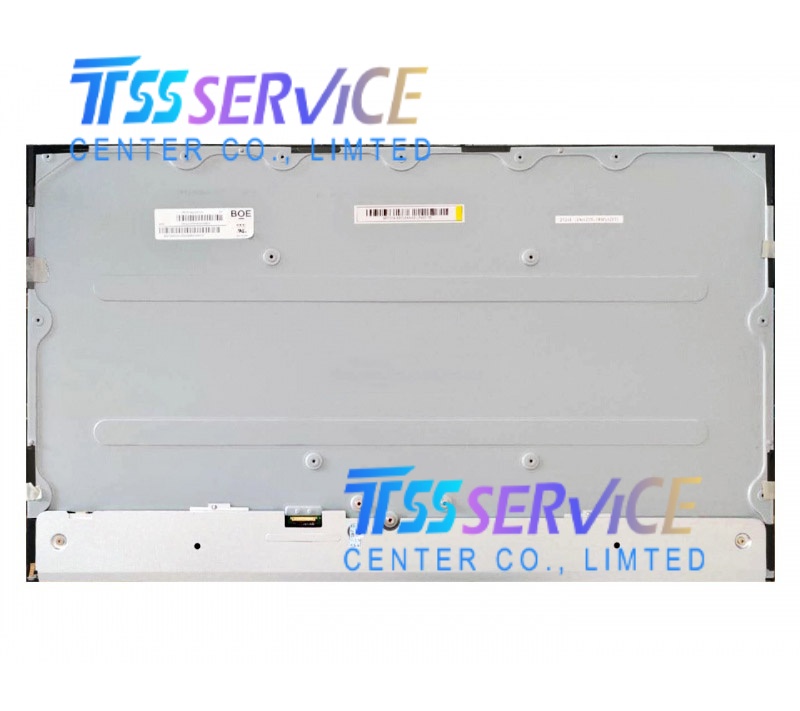
We will explore the intricate architecture of this panel, decode the tangible benefits its 3840 x 2160 resolution brings to daily workflows, and analyze its color performance credentials that cater to demanding creative tasks. Finally, we will contextualize its role in the broader monitor market, examining who stands to benefit most from this technology. This is a look beyond the brand name on the bezel, into the heart of the display that powers it.
Deconstructing the MV270QUM-N20: A Foundation of Precision Engineering
The BOE MV270QUM-N20 is built upon an a-Si (amorphous Silicon) TFT-LCD substrate, a mature and highly reliable technology that allows for large-scale production of high-resolution panels with excellent uniformity. The "N20" designation hints at a specific, optimized generation of this design, likely incorporating refinements in backlighting, pixel response, and power efficiency. The core achievement here is the packing of over 8.3 million pixels (3840 x 2160) into a 27-inch form factor, resulting in a pixel density of approximately 163 PPI (Pixels Per Inch).
This density is a critical sweet spot. It provides razor-sharp text and image detail without forcing operating systems into excessive scaling, a common issue with smaller 4K panels. The panel utilizes an In-Plane Switching (IPS) or similar advanced wide-viewing angle technology, ensuring consistent color and contrast when viewed from off-angles—a non-negotiable feature for collaborative work or color-critical tasks. The engineering focus is clearly on creating a stable, high-fidelity canvas where every pixel is precisely controlled, forming the foundation for its superior performance.
The 4K UHD Advantage: Beyond Pixel Count to Productivity
Moving from specification to application, the 4K UHD resolution of the MV270QUM-N20 delivers transformative practical benefits. It effectively quadruples the screen real estate of a standard 1080p display. For professionals, this means the ability to view multiple full-sized windows side-by-side—a complex spreadsheet, a reference document, a communication client, and a browser—all simultaneously and legibly without constant tab-switching or scrolling.
This spatial efficiency translates directly into enhanced workflow fluidity and reduced cognitive load. For developers, it means more code lines visible; for financial analysts, larger datasets on a single screen; for researchers, the ability to compare documents seamlessly. Furthermore, the high pixel density eliminates the "screen door" effect and renders text with print-like sharpness, significantly reducing eye strain during long working sessions. The benefit isn't just about seeing more content; it's about working smarter and more comfortably.
Color Performance: A Palette for Demanding Creative Work
Resolution provides the canvas, but color brings it to life. The MV270QUM-N20 is engineered to meet the stringent color demands of creative industries. It typically covers a high percentage of the sRGB gamut, ensuring vibrant and accurate colors for web design and digital content consumption. More importantly, it likely extends its coverage into the DCI-P3 color space, the standard for digital cinema and increasingly for high-end photography and video editing.
This wider gamut allows the panel to display more of the vivid reds and greens found in real-world scenes and professional content. Coupled with a high native contrast ratio (likely 1000:1 or better) and support for 8-bit+FRC or true 10-bit color depth, the panel can produce smooth gradients, deep blacks, and a nuanced spectrum of millions of colors. For graphic designers, video editors, and photographers, this accuracy is paramount. It ensures that work created on a monitor utilizing this panel will translate faithfully to other devices and mediums, from print to cinema screens.
Market Impact and Ideal User Profiles
The introduction of panels like the BOE MV270QUM-N20 has a democratizing effect on the high-end monitor market. By providing a premium core component, BOE enables monitor manufacturers to build feature-rich 4K displays at more accessible price points, challenging the dominance of traditional panel suppliers. This drives innovation and value across the industry.
The ideal user for a monitor powered by this panel is not the casual gamer (where high refresh rates are prioritized) but the professional and power user for whom clarity, space, and color integrity are primary currencies. Key profiles include:
-
Content Creators: Video editors, colorists, graphic designers, and 3D artists.
-
Productivity Professionals: Software developers, data scientists, financial traders, and academic researchers.
-
Multimedia Enthusiasts: Users who consume high-resolution photography, 4K video, and value an immersive, detailed viewing experience.
It represents the optimal balance of size, resolution, and color performance for a desktop workstation.
The BOE MV270QUM-N20 panel is a testament to how core display innovation directly empowers end-users. By mastering the integration of high-density 4K resolution, wide color gamuts, and robust IPS technology into a 27-inch format, it provides the essential ingredients for a superior monitor. It caters unequivocally to professionals whose work demands precision and screen real estate, and to enthusiasts who appreciate visual fidelity. As such panels become more prevalent, they set a new standard, making high-resolution, color-accurate desktop computing not just a luxury for a few, but an attainable tool for many to enhance their digital productivity and creativity.


