In the relentless pursuit of creating truly inclusive urban landscapes, a quiet revolution is unfolding at the humble bus stop. The integration of Braille touchpads and voice announcement systems into LED information panels represents a profound shift in public transit accessibility.
In the relentless pursuit of creating truly inclusive urban landscapes, a quiet revolution is unfolding at the humble bus stop. The integration of Braille touchpads and voice announcement systems into LED information panels represents a profound shift in public transit accessibility. This innovation moves far beyond basic compliance, aiming to dismantle information barriers for visually impaired and blind passengers. This article delves into the multifaceted impact of this technology, exploring not just its functional mechanics but its deeper implications for autonomy, safety, and the fundamental right to equal access in our shared public spaces. It signifies a move from passive infrastructure to an interactive, empowering node within the smart city ecosystem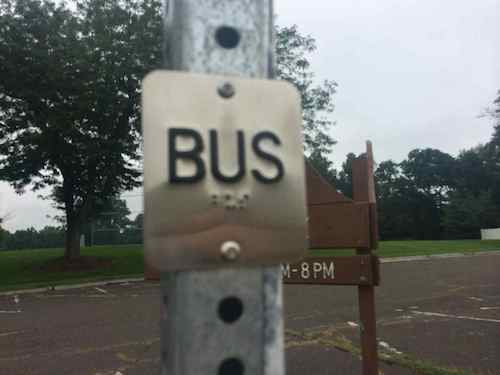 .
Beyond Visuals: Redefining Inclusive Transit Infrastructure
Traditional bus stop displays, while dynamic, inherently exclude a significant portion of the population. The addition of haptic and auditory interfaces marks a critical evolution from visual-centric design to multi-sensory information delivery. This is not merely an add-on feature but a core redesign principle. It acknowledges that accessibility is not a niche concern but a foundational component of efficient and equitable public service. By providing parallel information streams, cities ensure that real-time data—route numbers, destinations, arrival times, and service alerts—is democratized. This approach sets a new standard, challenging other public-facing technologies to consider universal design from the outset, thereby creating environments that are inherently more usable for everyone, including the elderly or those with temporary impairments.
The Technology Interface: How Braille and Voice Systems Synergize
The system's efficacy lies in the seamless synergy between its components. The refreshable Braille touchpad is typically mounted at a consistent, ergonomic height beside the main LED panel. It translates the scrolling visual information into tactile Braille characters, allowing users to read schedules and messages independently. Concurrently, an integrated, discreet voice announcement system can be activated, often via a button or motion sensor. This audio component provides:
-
Automatic periodic announcements of upcoming buses.
-
On-demand detailed information triggered by user interaction.
-
Critical safety alerts (e.g., detours, cancellations).
This dual-channel output ensures redundancy; if one mode is challenging in a noisy environment or for a non-Braille reader, the other provides a reliable alternative.
Empowering Independence and Enhancing Passenger Safety
The most significant impact is on the individual user's experience. For visually impaired commuters, these panels restore a level of autonomy and spontaneity often lost in transit. The need to rely solely on scheduled assistance, smartphone apps (which themselves have accessibility barriers), or the kindness of strangers is greatly reduced. Passengers can independently verify routes and times, leading to increased confidence and willingness to use public transit. Furthermore, safety is substantially enhanced. Real-time knowledge of a bus's imminent arrival minimizes waiting time in potentially vulnerable situations. Accurate audio cues about the bus number prevent the distress and danger of boarding the wrong vehicle, fostering a profound sense of security and self-reliance.
Integration Challenges and Smart City Connectivity
Deployment is not without hurdles. The panels require robust hardware to withstand weather and vandalism, with Braille cells needing particular protection. Reliable power and network connectivity for real-time data are essential. Crucially, these stops must evolve from isolated units into connected nodes within the broader Intelligent Transportation System (ITS). Ideally, they should interface with central traffic management and vehicle location systems to provide flawless predictive arrival data. This connectivity also allows for remote diagnostics and updates, ensuring the Braille and voice content is perfectly synchronized with visual displays, maintaining system integrity and trust.
The Ripple Effect: Broader Social and Community Benefits
The benefits extend far beyond the primary user group, creating a positive ripple effect throughout the community. These inclusive stops serve as a tangible, daily reminder of a community's commitment to equity, fostering a more empathetic social environment. They assist not only the blind but also those with cognitive disabilities, tourists, or anyone overwhelmed by complex visual displays. By making the transit system more navigable and less stressful for all, it potentially increases overall ridership. This contributes to reduced traffic congestion and lower carbon emissions, aligning social responsibility with environmental goals. The technology becomes a symbol of progressive, thoughtful urban planning.
Future Trajectory: AI, Personalization, and Proactive Assistance
The future of this technology points toward greater intelligence and personalization. Imagine systems integrated with AI and Bluetooth beacons that can interact with a user's smartphone app (itself fully accessible) to provide personalized journey updates. Voice interfaces could evolve to answer specific, context-aware questions ("When is the next accessible bus with a ramp on route 10?"). Machine learning could optimize announcement volume based on ambient noise. Looking ahead, the touchpad could provide tactile system maps. This trajectory moves from providing static information to offering proactive, interactive mobility assistance, fundamentally redefining the passenger's relationship with public infrastructure.
The integration of Braille and voice into bus stop LED panels is a landmark step toward genuinely inclusive urban mobility. It transcends technological upgrade, representing a philosophical shift towards empathy-driven design that recognizes diversity in how people interact with the world. By addressing the information gap for visually impaired passengers, it empowers independence, strengthens safety, and enriches the social fabric of the community. As cities continue to evolve, such innovations remind us that true smart city progress is measured not by the sophistication of its technology alone, but by its capacity to serve and uplift every citizen equally, ensuring no one is left waiting in the dark.


 .


