In a significant move to safeguard the visual health of its younger generation, China has officially released a new national standard for eye-protective classroom LED lighting
In a significant move to safeguard the visual health of its younger generation, China has officially released a new national standard for eye-protective classroom LED lighting. This landmark regulation, developed by the Standardization Administration of China (SAC), establishes comprehensive and stringent requirements for lighting products used in educational environments. It moves beyond basic illumination to address critical factors like flicker, glare, blue light hazards, and color rendering, aiming to create an optimal visual setting for learning.
The introduction of this standard marks a pivotal shift from voluntary guidelines to mandatory compliance, reflecting a growing national consensus on the profound link between lighting quality and student well-being. This article will delve into the technical core of the new standard, explore its multifaceted benefits for the educational ecosystem, and examine the broader implications it holds for manufacturers, schools, and public health policy.
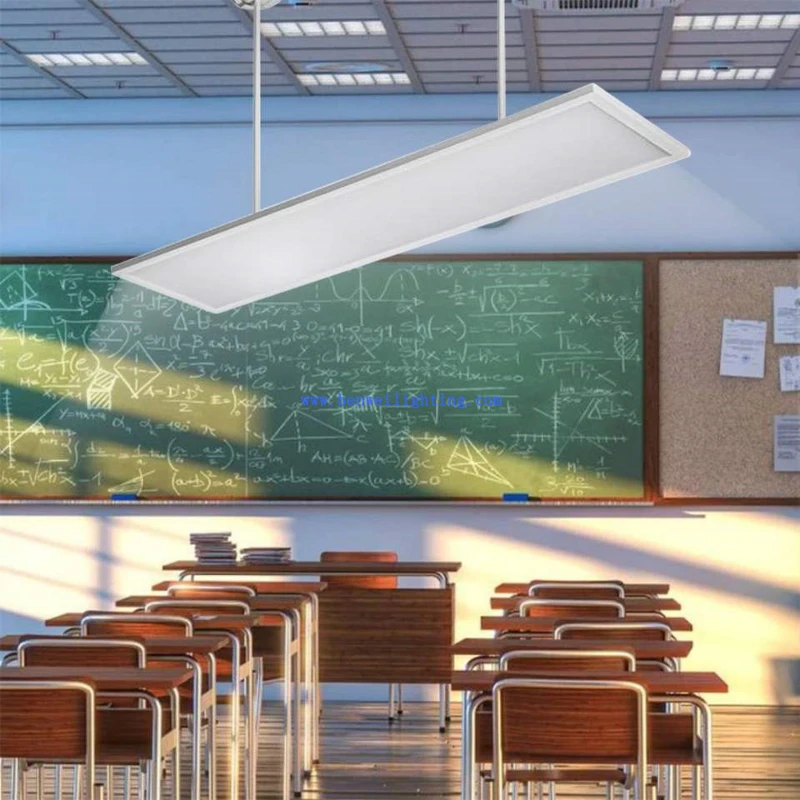
Decoding the Technical Pillars: Beyond Brightness
The new standard is built upon a sophisticated understanding of photobiology and visual ergonomics. Its technical specifications target the precise pain points of conventional classroom lighting. A central focus is the stringent control of flicker and stroboscopic effects, which are invisible rapid fluctuations in light output linked to eye strain, headaches, and reduced concentration. The standard mandates a high flicker-free performance to ensure visual comfort during long study hours.
Furthermore, it sets precise limits for blue light hazard (specifically RG0 rating), ensuring the spectral power distribution of LEDs minimizes potential retinal damage. The regulation also elevates requirements for color rendering index (CRI), demanding lights that reveal true colors of textbooks and digital screens to reduce identification errors and visual fatigue. Parameters for uniform light distribution, appropriate illuminance levels (300-500 lux), and limits on unified glare rating (UGR) are meticulously defined to eliminate dark corners and harsh reflections, creating a consistently comfortable visual field across the entire classroom.
The Educational Impact: Fostering Health and Performance
The implementation of this standard transcends technical compliance, promising a tangible transformation in the daily educational experience. For students, the primary beneficiaries, the optimized lighting environment directly combats the physical symptoms of poor lighting—chronic eye dryness, fatigue, and myopia progression—while indirectly boosting cognitive performance. A stable, comfortable visual field enhances the ability to focus, process information, and maintain engagement over extended periods.
For educators and schools, the standard provides a clear, science-backed framework for creating healthier learning spaces. It empowers administrators to make informed procurement decisions, shifting the priority from lowest cost to long-term student welfare. The improved lighting also contributes to a better overall classroom atmosphere, potentially reducing disciplinary issues linked to discomfort and supporting diverse learning activities, from reading fine print to interacting with digital displays. This holistic upgrade positions lighting not as a utility, but as a foundational element of educational infrastructure.
Industry and Policy Ripple Effects
The mandatory nature of the standard sends a powerful signal across the LED manufacturing and lighting design industries. It acts as a catalyst for innovation, compelling companies to invest in R&D for advanced drivers, superior phosphor technology, and intelligent optical designs that meet the rigorous new benchmarks. This will likely accelerate a market consolidation where quality and compliance become key differentiators, pushing out substandard products.
On a policy level, this move aligns with China's broader public health initiatives, particularly the campaign to curb the rising prevalence of childhood myopia. It sets a precedent for regulating the built environment's impact on health. The standard also establishes a model that other nations grappling with similar student health concerns may reference. Its success will depend on effective enforcement, including certification systems, spot checks in schools, and ongoing education for stakeholders about the importance of "healthy light."
The release of China's new national standard for classroom LED lighting represents a proactive and science-driven investment in the nation's future. By meticulously defining the parameters for healthy light, it addresses a critical yet often overlooked environmental factor in education. The benefits will cascade from reducing student eye strain and potentially slowing myopia progression to fostering better learning outcomes and driving technological advancement in the lighting industry. Ultimately, this standard reframes classroom lighting from a mere functional necessity to a vital component of student health and academic excellence, setting a new global benchmark for educational environments.


