In a landmark decision for aviation health and safety, the Federal Aviation Administration has granted approval for the use of ultraviolet-C (UV-C) LED technology for real-time disinfection within commercial aircraft cabins. This move signals a pivotal shift
In a landmark decision for aviation health and safety, the Federal Aviation Administration has granted approval for the use of ultraviolet-C (UV-C) LED technology for real-time disinfection within commercial aircraft cabins. This move signals a pivotal shift, moving beyond traditional chemical cleaning protocols towards integrated, continuous protection against pathogens. The approval specifically covers systems that operate while the cabin is unoccupied, such as during boarding or short ground stops, targeting high-touch surfaces and circulating air.
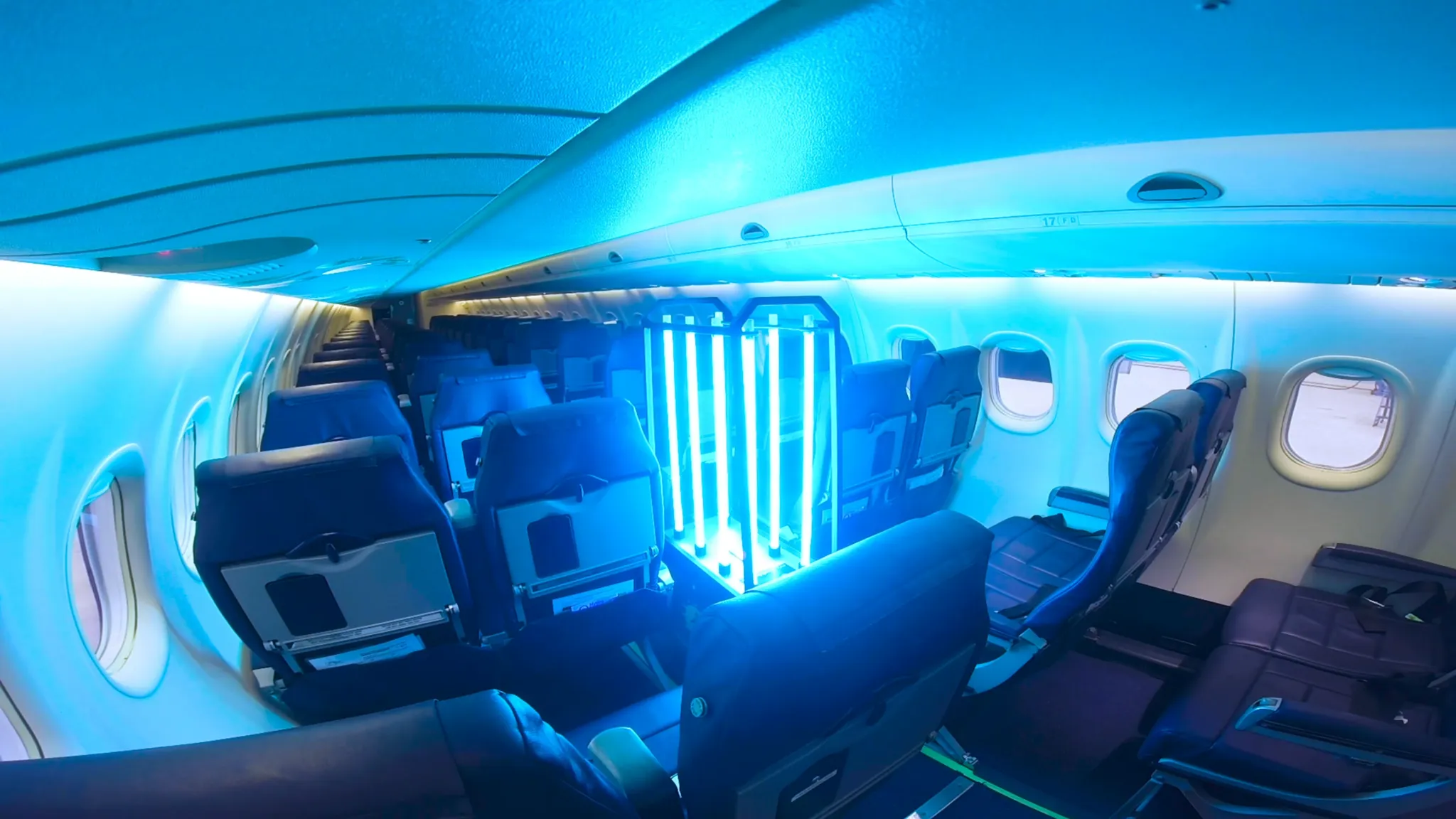
This development is not merely an incremental upgrade but a reimagining of cabin hygiene. It addresses growing passenger concerns about air quality and the persistent challenge of efficiently sanitizing complex, time-pressured environments. The article delves into the technology's mechanics, its rigorous path to certification, and the profound implications it holds for the future of travel, setting a new standard for public health in shared transportation.
The Science Behind UV-C LED: A Precise Germicidal Tool
Unlike the broad-spectrum UV light from the sun, the systems receiving FAA approval utilize a specific, short-wavelength band known as UV-C, predominantly at 265-275 nanometers. At this frequency, UV-C photons carry enough energy to disrupt the DNA and RNA of microorganisms—including viruses, bacteria, and mold spores—rendering them incapable of replication and effectively inert. The shift to Light-Emitting Diode (LED) sources is a critical advancement over older mercury-lamp-based UV systems. UV-C LEDs offer superior advantages for aviation applications:
-
Targeted Efficacy: They emit a tighter wavelength peak optimized for germicidal action.
-
Instant On/Off & Durability: Unlike lamps that require warm-up time and are fragile, LEDs activate instantly and are highly resistant to vibration, a key factor for aircraft.
-
Design Flexibility: Their small size allows for strategic integration into cabin architecture, such as overhead bins, lavatories, and air ducts, enabling automated, systematic coverage.
This precision engineering ensures maximum disinfection power with controlled exposure, adhering to strict safety protocols that prevent any UV exposure to passengers and crew.
Clearing the Air: The Rigorous Path to FAA Certification
Gaining FAA approval is an exhaustive process that extends far beyond proving microbiological efficacy. The administration's primary mandate is the absolute safety of flight, meaning any new cabin system must undergo relentless scrutiny. Certification focused on several non-negotiable pillars. First, material compatibility testing was essential to ensure prolonged UV-C exposure would not degrade critical cabin materials—seats, plastics, composites—compromising their safety or longevity. Second, and most crucially, systems must prove they pose zero risk of human exposure, incorporating multiple physical and electronic fail-safes, such as occupancy sensors and interlock systems.
Furthermore, the systems had to demonstrate electromagnetic compatibility (EMC), proving they would not interfere with the aircraft's vital navigation and communication systems. Finally, installers must secure a Supplemental Type Certificate (STC), validating that the modification to the aircraft is sound. This multi-year process ensures the technology is not just effective, but is a seamless, safe, and reliable component of the aircraft's ecosystem.
Taking Flight: The Operational and Industry-Wide Impact
The implementation of real-time UV disinfection transcends a simple cleaning step; it represents a fundamental enhancement to operational hygiene and passenger confidence. Operationally, it allows airlines to augment overnight deep cleans with rapid, automated disinfection cycles between flights, targeting turnaround times without sacrificing health standards. This layered approach—combining traditional methods with continuous UV—creates a more resilient defense against pathogen transmission.
For the industry, the FAA's endorsement sets a powerful precedent, likely accelerating global regulatory acceptance and driving innovation. It provides a tangible, marketable answer to passenger anxiety, potentially becoming a key differentiator for airlines. Looking ahead, this approval paves the way for further integration of smart, autonomous health-tech in cabins, from advanced air filtration combos to real-time air quality monitoring. It shifts the paradigm from reactive cleaning to proactive environmental management, redefining "clean air" in the cabin as an actively maintained condition rather than a periodic achievement.
The FAA's approval of UV-C LED for in-flight disinfection marks a transformative moment for aviation biosecurity. By validating a technology that is both scientifically potent and operationally pragmatic, it bridges the gap between health necessity and practical reality. This step forward empowers airlines to build a more robust, visible, and sustainable hygiene protocol, directly addressing core passenger concerns. Ultimately, it signifies the industry's commitment to leveraging innovation not just for efficiency, but for fostering a safer and more confident travel experience for all.


