In the high-stakes realm of emergency response, where every second dictates outcomes, situational awareness is the ultimate currency. This article delves into the transformative role of the Fire Command Center LED Video Wall, a technological nerve center that redefines crisis management. We will explore how its integration with thermal imaging technology, accessible through streamlined one-key commands, provides an unprecedented, real-time window into disaster sites. This synergy is not merely an upgrade in display technology; it represents a fundamental shift in how command decisions are made, moving from reactive guesswork to proactive, data-driven strategy, ultimately enhancing both operational effectiveness and responder safety.
The Command Center Reimagined: Beyond a Simple Display
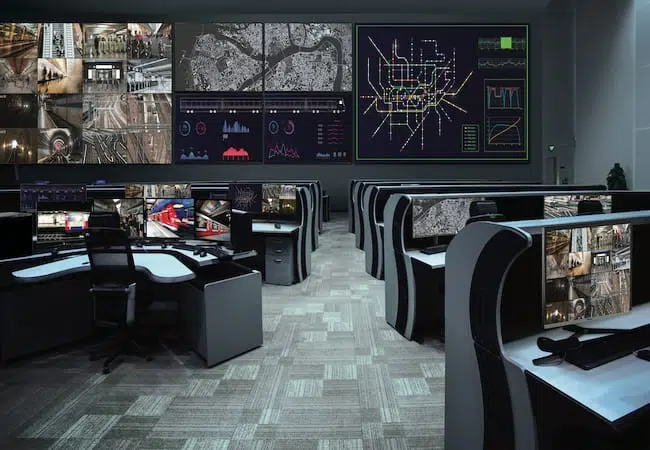
Traditional command center setups often involve a clutter of disparate monitors, each feeding isolated data streams, forcing commanders to mentally synthesize information under immense pressure. The modern LED video wall shatters this fragmented paradigm. It is a seamless, unified canvas designed for high-impact, collaborative decision-making. With superior brightness, contrast, and resolution, it ensures critical visuals remain clear under the bright lights of an active command center. More than just a screen, it becomes the central nervous system of the response operation, capable of integrating maps, building schematics, live feeds, and resource tracking into a single, coherent operational picture. This holistic view is the essential foundation upon which advanced capabilities like thermal imaging are effectively leveraged.
Thermal Imaging: Seeing the Unseeable in Real-Time
At the heart of this technological leap is thermal imaging, a capability that turns the chaos of a disaster site into a legible heat map. Fires, structural weaknesses, and, most importantly, human life signs hidden by smoke, darkness, or debris become starkly visible. This technology allows commanders to pinpoint the core of a fire behind walls, identify potential flashover zones, and locate trapped victims with precision previously deemed impossible during active operations. The value of thermal data is immense, but its utility is contingent on two factors: the clarity of its presentation and the speed of its access. Raw thermal feed on a small monitor is useful; a stabilized, analyzed, and large-scale visualization on a command wall is transformative.
The Power of "One-Key Access": Streamlining Critical Decisions
This is where the concept of "One-Key Access" becomes a game-changer. In an emergency, complex software menus and multi-step procedures are luxuries that do not exist. One-key access refers to a pre-configured, hardware or software-based command that instantly overlays the critical thermal imaging feed from drones, firefighters' cameras, or aerial units onto the main LED video wall display. With a single action, the command team transitions from a standard operational view to a penetrating thermal perspective. This eliminates fatal delays, reduces the cognitive load on decision-makers, and ensures that the most vital intelligence—the heat signature of the event—is immediately front and center, facilitating a faster, more informed strategic pivot.
Integration Ecosystem: The Backbone of Cohesive Response
The video wall and its one-key thermal access do not operate in a vacuum. Their power is derived from deep integration with a broader ecosystem of technologies. This includes:
IoT Sensors & Building Data: Overlaying thermal images with real-time structural integrity data from smart building systems.
GIS & Mapping Software: Geospatially locking thermal hotspots onto precise maps for coordinated resource deployment.
Communication Networks: Ensuring low-latency transmission of high-bandwidth thermal video from the field to the command center.
Asset Tracking: Displaying the real-time location of all units in relation to thermal hazards.
This interconnectedness transforms the video wall from a display into a dynamic analysis platform, where thermal data is contextualized, making it exponentially more actionable.
Enhancing Safety and Strategic Efficacy
The direct impact of this integrated system is measured in two crucial metrics: responder safety and mission efficacy. By clearly visualizing extreme heat zones and structural compromises, commanders can deploy personnel with far greater precision, avoiding unnecessary risk. Escape routes can be planned with knowledge of hidden fire spread. Simultaneously, strategic efficacy soars. Attack strategies can be adjusted in real-time as the thermal image reveals the fire's true behavior. Resource allocation—from water streams to aerial support—becomes optimized, attacking the core of the problem rather than its visible symptoms. This leads to faster containment, reduced property damage, and a higher probability of successful rescue operations.
Future-Proofing Emergency Management
Investing in a command center built around an advanced LED video wall with one-key thermal access is an investment in future-ready capabilities. The platform is inherently scalable and adaptable. As artificial intelligence and machine learning mature, they can be integrated to provide automated analysis of thermal feeds—highlighting anomalies, predicting collapse zones, or tracking the movement of heat signatures that could indicate survivors. Furthermore, the system prepares agencies for the next generation of data sources, including more advanced spectroscopic imaging or real-time environmental toxicity mapping. It establishes a robust technological foundation that evolves with emerging threats and innovations.
In conclusion, the integration of a high-fidelity LED video wall with instantaneous one-key access to thermal imaging represents a paradigm shift in fire command and control. It moves crisis management from reactive interpretation to proactive visualization, turning invisible threats into actionable intelligence. This technology fusion dramatically compresses decision-making timelines, directly enhances the safety of first responders, and optimizes the strategic deployment of resources. For any agency committed to operational excellence, it is not merely a display upgrade but an essential strategic asset for protecting both lives and property in our increasingly complex world.


