In the relentless pursuit of more robust and versatile electronic interfaces, a groundbreaking convergence is redefining the limits of display technology: high-temperature and impact-resistant displays built on flexible ceramic substrates. This article delves into the transformative potential of this advanced material fusion, exploring how it addresses the critical shortcomings of conventional glass and polymer-based screens.
In the relentless pursuit of more robust and versatile electronic interfaces, a groundbreaking convergence is redefining the limits of display technology: high-temperature and impact-resistant displays built on flexible ceramic substrates. This article delves into the transformative potential of this advanced material fusion, exploring how it addresses the critical shortcomings of conventional glass and polymer-based screens. We will examine the unique properties of flexible ceramics, the engineering breakthroughs enabling their use, and the profound implications for industries operating in the world's most demanding environments, from aerospace and automotive to military and industrial manufacturing.
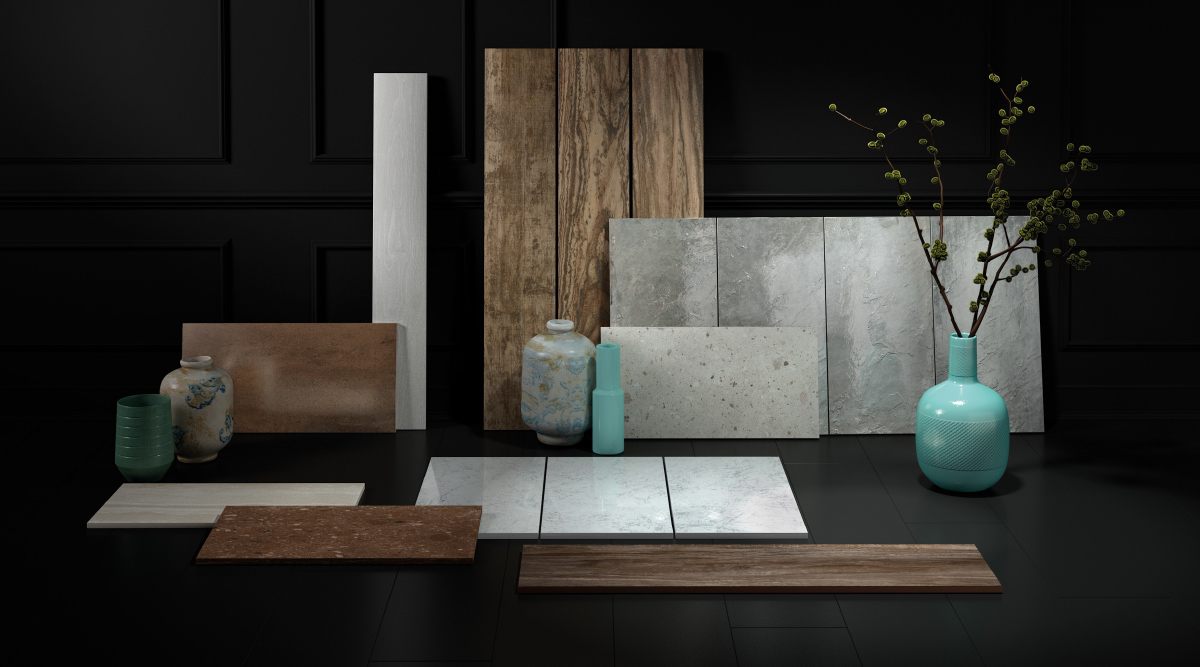
The Material Revolution: Why Flexible Ceramics?
At the heart of this innovation lies a material science breakthrough. Flexible ceramic substrates, often based on materials like thin, sintered alumina or advanced glass-ceramic composites, offer a previously unattainable combination of properties. Unlike brittle conventional ceramics, these are engineered to withstand bending and flexing without fracturing. Their intrinsic material strength provides exceptional resistance to scratches, abrasion, and, most importantly, impact. Furthermore, ceramics are inherently stable under thermal stress, maintaining structural integrity and performance where organic polymers would degrade or melt. This foundational shift from glass or plastic to advanced ceramics is the cornerstone upon which truly durable displays are built.
Engineering Resilience: Withstanding Extreme Heat
The high-temperature capability of these displays is not merely an incremental improvement; it is a paradigm shift. Traditional LCDs and OLEDs utilize organic materials and liquid crystals with low glass transition temperatures, failing well below 150°C. Displays on flexible ceramic substrates can integrate inorganic light-emitting technologies, such as micro-LEDs or specially formulated phosphors, which remain functional at temperatures exceeding 500°C. This resilience is crucial for applications like engine monitoring displays, where proximity to heat sources is unavoidable, or in foundry control panels. The ceramic substrate itself acts as a superb thermal conductor and heat spreader, preventing localized hot spots that could lead to catastrophic display failure.
Defying Impact: The Mechanics of Durability
Impact resistance is a multi-faceted challenge involving the substrate, the bonding layers, and the active components. The flexible ceramic substrate's high hardness and fracture toughness mean it can absorb and dissipate kinetic energy from drops, vibrations, and shocks far more effectively than glass. Its flexibility allows it to bend under force rather than shatter. Engineers achieve this by pairing the substrate with equally robust encapsulation methods and utilizing conformal coatings that protect the delicate electronic circuits. This holistic approach to mechanical design ensures the entire display assembly, not just the surface, can survive in high-vibration environments like heavy machinery, military vehicles, and handheld field devices subjected to rough handling.
Enabling New Form Factors and Integrations
The flexibility of the ceramic substrate unlocks novel design possibilities that rigid displays cannot offer. These thin, bendable, yet incredibly tough screens can be conformally applied to curved surfaces—such as the interior contours of an aircraft cockpit, the aerodynamic body of a vehicle, or the rounded housing of industrial equipment. This facilitates seamless integration, reducing assembly complexity and eliminating the need for protective bezels or bulky housings. Designers are no longer constrained by flat planes, enabling more ergonomic and space-efficient human-machine interfaces. The display can become an integral, molded part of the product itself, blending durability with sophisticated, flowing aesthetics.
Transforming Extreme-Environment Industries
The practical applications of this technology are revolutionizing sectors where reliability is non-negotiable. In aerospace and defense, these displays are ideal for cockpit instrumentation, soldier-worn systems, and vehicle consoles exposed to extreme G-forces, temperature swings, and sand/ debris. The automotive industry benefits for displays placed near engines, in under-hood diagnostics, and for ruggedized interior screens in heavy-duty trucks and construction vehicles. Industrial IoT and manufacturing leverage them for control panels in steel mills, oil refineries, and chemical plants, where screens must endure heat, corrosive atmospheres, and frequent cleaning with harsh solvents.
The Path Forward: Challenges and Innovations
Despite its promise, the widespread adoption of high-temperature, impact-resistant flexible ceramic displays faces hurdles. The current manufacturing processes, such as precise sintering and thin-film deposition on flexible ceramics, are more complex and costly than for glass or plastic. Scaling production to achieve economies of scale is an ongoing focus. Research is intensely focused on:
-
Reducing substrate thickness while maintaining performance to enhance flexibility.
-
Developing low-temperature processing techniques for electronic components to be compatible with the substrate.
-
Creating standardized bonding and interconnection methods that can survive the same thermal and mechanical stresses as the ceramic itself.
Overcoming these challenges will pave the way for broader commercial use.
In conclusion, the development of high-temperature and impact-resistant displays on flexible ceramic substrates represents a seminal advancement in electronic visual interfaces. By merging the unparalleled durability and thermal stability of ceramics with flexible form factors, this technology directly answers the call for reliability in the world's most punishing environments. It is enabling smarter, more integrated, and unfailingly robust human-machine interactions across critical industries. As material science and manufacturing processes continue to evolve, these displays are poised to move from niche applications to becoming the gold standard for durability, fundamentally reshaping our expectations of where and how information can be reliably presented.


