In the intricate world of display technology, where every pixel and nit of brightness counts, the choice of a core LCD panel can define the success of a final product. This article delves into the Chimei Innolux G154I1-LE1, a 15.4-inch WXGA TFT-LCD module, moving beyond basic specifications to explore its true value proposition.
In the intricate world of display technology, where every pixel and nit of brightness counts, the choice of a core LCD panel can define the success of a final product. This article delves into the Chimei Innolux G154I1-LE1, a 15.4-inch WXGA TFT-LCD module, moving beyond basic specifications to explore its true value proposition. We will dissect not just its 1280x800 resolution, but the engineering decisions behind its optical performance, power architecture, and mechanical design.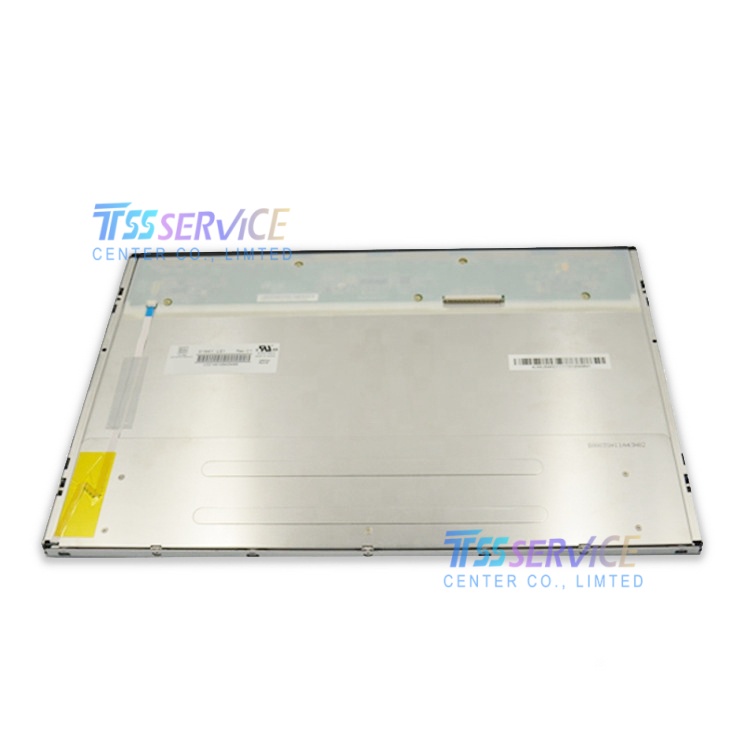
Our analysis aims to provide engineers, product designers, and procurement specialists with a holistic understanding. Where does this panel excel, and what are its inherent trade-offs? By examining its application fit, we uncover the specific market niches and device types where the G154I1-LE1 transitions from being a mere component to a critical enabler of performance, reliability, and user experience.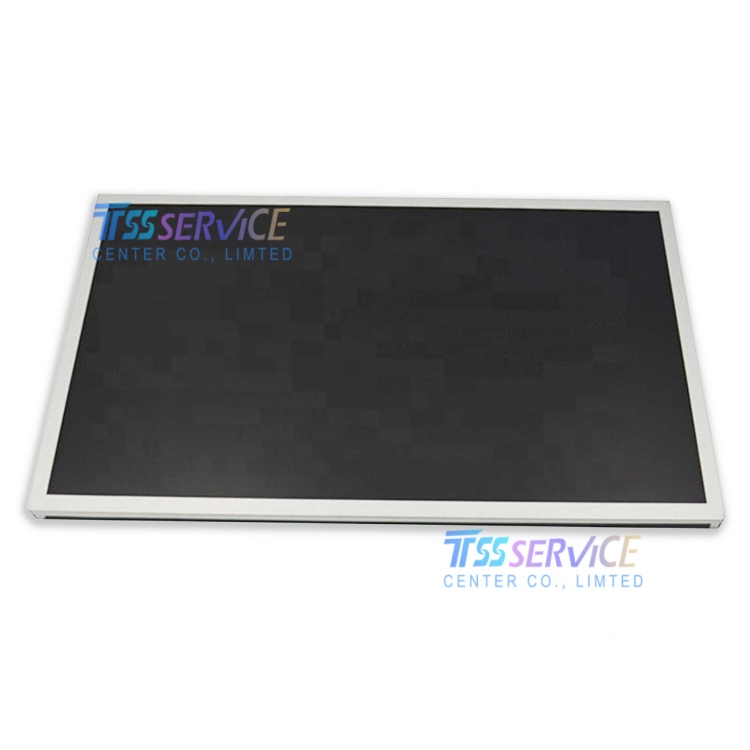
Decoding the Core Specifications: A Balance of Clarity and Efficiency
At first glance, the G154I1-LE1 presents a familiar profile: a 15.4-inch diagonal with a 1280 x 800 (WXGA) resolution. This 16:10 aspect ratio, slightly taller than the common 16:9, offers a pragmatic balance, providing more vertical real estate for document viewing or code editing without excessively widening the panel. The pixel density, while not "Retina" level, is sufficient for industrial, commercial, and embedded applications where ultra-sharp text is secondary to functional clarity and cost-effectiveness.
The true story begins with its optical stack. With a typical brightness of 300 nits and a contrast ratio of 600:1, the panel is engineered for environments with controlled lighting. It is bright enough to combat mild ambient glare but avoids the high-power draw of 500+ nit panels designed for sunlight readability. The choice of a standard color gamut (typically ~NTSC 45%) further underscores its positioning: it delivers accurate, reliable color for diagnostic displays, point-of-sale systems, or control panels, where color volume is less critical than consistency and longevity.
Engineering for Reliability: Power, Longevity, and Signal Integrity
Moving deeper, the panel's engineering for sustained operation becomes apparent. Its power consumption profile is a key differentiator. Utilizing advanced LED backlighting and efficient driver electronics, it operates at a low typical voltage (3.3V or 5V for logic, with a separate ~20V for the backlight). This efficiency translates directly into reduced thermal load, a critical factor for enclosed systems, leading to enhanced long-term reliability and potentially smaller power supply requirements.
Furthermore, the module incorporates robust signal interface options, most commonly LVDS (Low-Voltage Differential Signaling). This noise-resistant interface ensures stable data transmission over the typical cable lengths found in kiosks, medical carts, or transportation systems. The design also emphasizes longevity, with an extended backlight lifetime (often 30,000 hours or more). For OEMs, this means lower total cost of ownership and reduced risk of field failures, making it a prudent choice for products with long service life expectations.
Mechanical and Environmental Design: Built for Integration
The G154I1-LE1 is not just a visual component; it is a mechanical one. Its design prioritizes seamless integration into final assemblies. The module typically features a slim profile and a defined outline dimension with precise mounting hole locations, allowing engineers to design compact enclosures. The surface treatment, often a hard coating or anti-glare layer, is selected to mitigate scratches and fingerprints in high-touch environments.
Environmental robustness is a silent specification. Operating and storage temperature ranges are specified to ensure performance in non-climate-controlled settings, from factory floors to outdoor kiosks (within specified limits). This ruggedness, combined with features like wide viewing angles (IPS or ADS-type technology is common), ensures the displayed information remains legible to users approaching from different positions, a non-negotiable requirement in collaborative or public-facing installations.
Strategic Application Fit: Where This Panel Truly Shines
The ultimate test of any component is its fit for purpose. The G154I1-LE1's characteristics carve out a clear strategic niche in the B2B and industrial markets. It is an ideal candidate for:
-
Human-Machine Interfaces (HMIs) for industrial automation and machinery control.
-
Portable medical diagnostic devices and patient monitoring carts, where reliability is paramount.
-
Point-of-Sale (POS) systems and self-service kiosks, balancing cost and durability.
-
Transportation infotainment and seat-back displays, where power efficiency matters.
-
Specialized embedded systems in logistics, retail, and hospitality.
In these applications, the panel's balanced performance, robust build, and cost-effective pricing structure outweigh the need for ultra-high resolution or cinematic color. It serves as a dependable workhorse display, enabling clear communication between machine and user without introducing unnecessary complexity or cost.
In conclusion, the Chimei Innolux G154I1-LE1 15.4-inch panel exemplifies a meticulously balanced engineering solution tailored for professional and industrial use. Its value lies not in leading any single performance metric, but in its harmonious integration of adequate resolution, reliable optical output, efficient power design, and robust mechanical form. For product developers targeting durable, long-lifecycle devices in controlled-lighting environments, this panel offers a compelling blend of dependability and cost-effectiveness, proving that in the component world, strategic fit often trumps sheer specification prowess.


