In the demanding world of industrial technology, the display panel is far more than a simple window for information. It is a critical interface that must withstand harsh environments, deliver unwavering reliability, and provide crystal-clear readability for complex operations. This article delves into the
G185HAN01.100, an
18.5-inch LCD panel from AUO (AU Optronics), engineered specifically to meet these rigorous industrial challenges. We will move beyond basic specifications to explore the design philosophy, technological features, and application-specific advantages that make this panel a cornerstone for robust industrial systems.
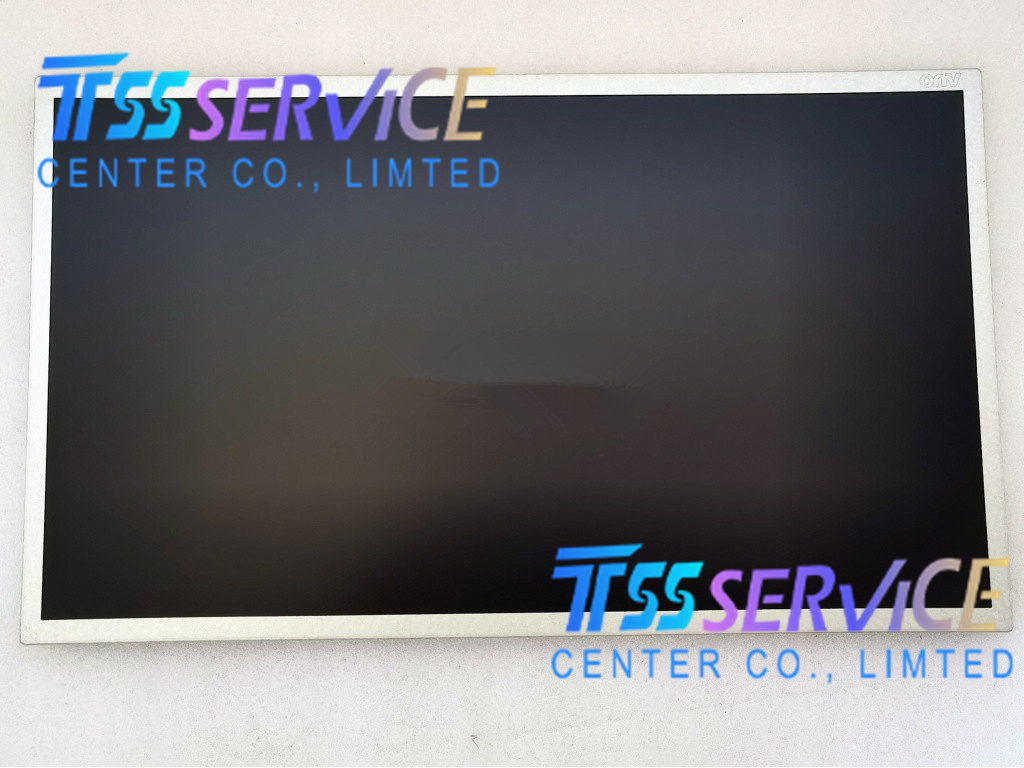
Our analysis will systematically unpack the value proposition of the
G185HAN01.100. We begin by examining its core architectural strengths, followed by an in-depth look at its optical performance and durability credentials. Finally, we will situate this component within real-world industrial ecosystems, providing a comprehensive guide for engineers, system integrators, and procurement specialists seeking a display solution that guarantees performance where it matters most.
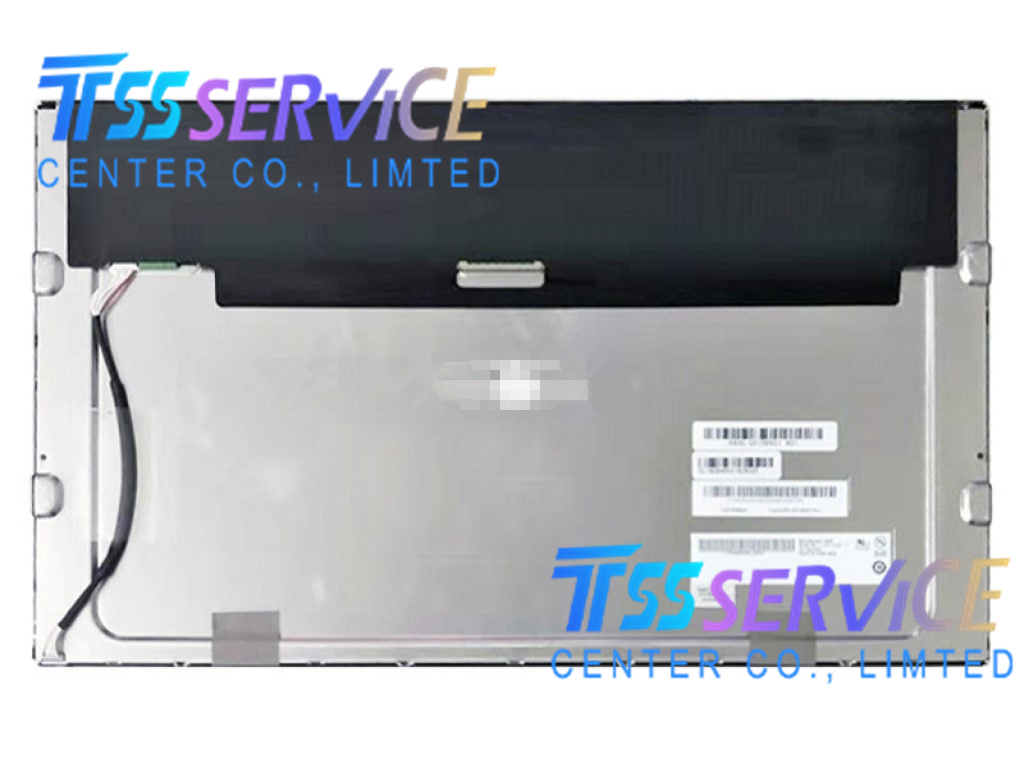
Architectural Foundation: Built for Stability and Longevity
At its heart, the
G185HAN01.100 is built upon an a-Si (amorphous Silicon) TFT-LCD architecture, a technology chosen for its proven
industrial-grade stability and cost-effectiveness. Unlike consumer panels optimized for thinness and ultra-high refresh rates, this panel prioritizes consistent operation over extended periods, often measured in tens of thousands of hours. The 1920x1080 Full HD resolution on an 18.5-inch diagonal provides an optimal balance of pixel density and screen real estate, ensuring detailed schematics, data logs, and user interface elements are displayed sharply without being overly taxing on connected control systems.
The panel's design incorporates robust signal integrity and power management circuits essential for 24/7 operation. It features standard LVDS (Low-Voltage Differential Signaling) interfaces, which offer superior noise immunity compared to consumer-centric interfaces like HDMI or DisplayPort, a critical factor in electrically noisy industrial settings. This foundational stability is the first and most crucial layer, establishing the G185HAN01.100 as a dependable component rather than a potential point of failure.
Optical Performance in Challenging Environments
Industrial settings present unique visual challenges: glare from overhead lighting, dust particles in the air, and operators viewing from wide angles. The
G185HAN01.100 addresses these directly through its optical stack. It typically features a high-brightness backlight unit, often reaching 300 nits or more, to ensure legibility in brightly lit factories or under direct ambient light. Furthermore, the panel utilizes advanced polarizers and surface treatments to achieve a
wide viewing angle (typically 89/89/89/89 in CR>10), allowing for accurate color and contrast consistency even when viewed from the side—a common scenario in control panels.
Color performance, while not geared towards graphic design, is calibrated for accuracy and consistency across the entire screen and from unit to unit. This is vital for applications where color-coded alerts or status indicators are used for rapid decision-making. The contrast ratio ensures that text and graphics pop from the background, reducing eye strain during long monitoring sessions. These optical characteristics are not afterthoughts but are engineered as integral parts of the panel's mission-critical role.
Ruggedization and Reliability: Beyond the Spec Sheet
The true differentiation of an industrial panel lies in its durability, an area where the G185HAN01.100 is meticulously designed. It is constructed to operate across an extended temperature range, often from -30°C to 80°C for storage and a robust operational range, ensuring functionality in unheated warehouses or near heat-generating machinery. The use of industrial-grade LEDs in the backlight ensures a longer lifespan and consistent luminance output over time, mitigating the dimming and color shift common in consumer panels.
Mechanically, the panel is designed to resist vibration and shock, a necessity for equipment mounted on moving machinery or in transportation applications. The screen surface is often hardened to resist scratches and may be paired with optically bonded touch solutions for added durability in high-touch environments. This comprehensive ruggedization means the panel isn't just "used" in industry; it is qualified for it, reducing total cost of ownership by minimizing downtime and replacement frequency.
Integration and Application Ecosystem
The final consideration is how the
G185HAN01.100 integrates into broader systems. Its standard form factor and mounting hole patterns allow for straightforward integration into existing chassis and kiosks. For system designers, its predictable power consumption and thermal profile simplify power supply and cooling designs. This panel finds its ideal home in a multitude of demanding applications.
-
Industrial Human-Machine Interfaces (HMIs): Serving as the primary touchpoint for controlling and monitoring automation lines, robotics, and PLC systems.
-
Medical and Diagnostic Equipment: Where reliability and clear display of critical patient data or imaging are non-negotiable.
-
Transportation and Fleet Management: In vehicle-mounted systems for logistics, public transit, and heavy machinery, enduring constant vibration and temperature cycles.
-
Point-of-Sale and Self-Service Kiosks: Providing durable, always-on displays for retail, hospitality, and public information terminals.
In conclusion, the
AUO G185HAN01.100 display panel exemplifies the principle that industrial components are defined by resilience and specialized performance. Its value extends far beyond its Full HD resolution to encompass a holistic design for stability, optical clarity in adverse conditions, and physical ruggedness. For engineers and integrators, selecting this panel is a strategic decision that prioritizes system uptime and long-term reliability. It stands as a testament to the fact that in the industrial realm, the most effective technology is that which you can depend on, day in and day out, without a second thought.


