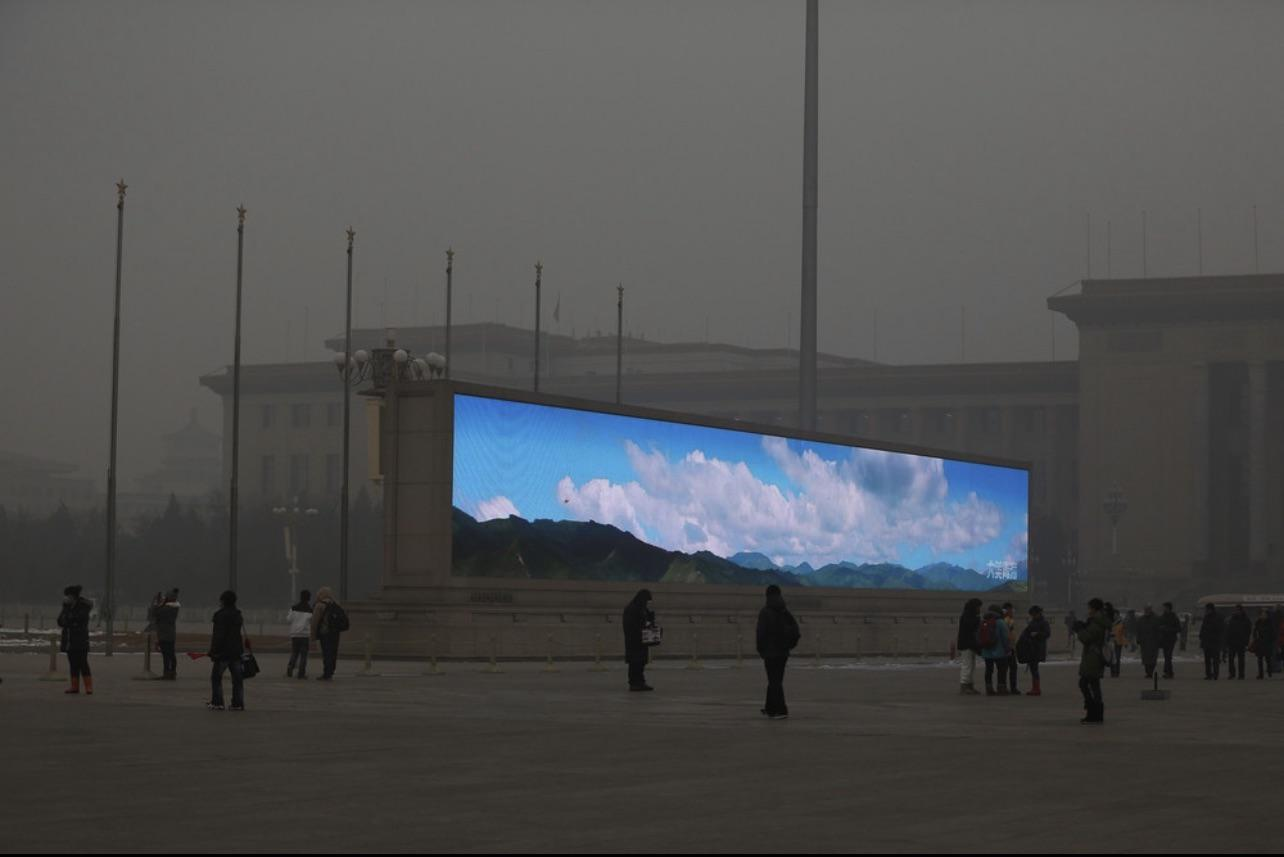
In the heart of the modern metropolis, a new landmark has emerged, transforming the urban skyline into a dynamic canvas of information. A colossal, state-of-the-art giant LED screen has made its debut in the city center, captivating citizens and visitors alike.
In the heart of the modern metropolis, a new landmark has emerged, transforming the urban skyline into a dynamic canvas of information. A colossal, state-of-the-art giant LED screen has made its debut in the city center, captivating citizens and visitors alike. This installation represents far more than a digital billboard; it is a pioneering piece of civic technology designed to enhance urban living. By prominently displaying real-time, critical data streams such as the city's air quality index and comprehensive traffic conditions, this screen marks a significant leap towards transparent, data-driven governance and an informed public. This article delves into the multifaceted impact of this innovation, exploring its technological underpinnings, its role as a public service tool, and its broader implications for the future of smart cities.
The Digital Heartbeat: More Than a Billboard
This giant LED installation is fundamentally redefining the concept of public displays. Moving beyond commercial advertising, it serves as the city's digital heartbeat, a central nervous system node that visualizes the metropolis's vital signs. Its ultra-high resolution and exceptional brightness ensure clarity even in direct sunlight, making the data accessible to all. The screen's core function is aggregation and presentation: it pulls live data from a network of environmental sensors monitoring pollutants (PM2.5, NO2, O3) and a dense matrix of traffic cameras and GPS feeds. This synthesis transforms complex, raw data into intuitive, easy-to-understand visualizations—color-coded air quality maps and real-time traffic flow diagrams—that empower individuals to make informed daily decisions, from choosing a jogging route to planning a commute.
Empowering Public Health and Environmental Awareness
The real-time air quality index (AQI) display is arguably the screen's most profound public service feature. By making invisible threats visible, it fosters a new level of environmental consciousness and proactive health management. Citizens no longer need to consult separate apps; the city's environmental status is broadcast openly. This transparency holds authorities accountable for environmental policies and encourages collective responsibility. For vulnerable groups like asthmatics, the elderly, or parents with young children, this immediate information is invaluable for managing exposure. Over time, the public display of this data can drive behavioral shifts, such as increased use of public transport on high-pollution days, contributing directly to the city's sustainability goals and creating a healthier urban ecosystem for everyone.
Optimizing Urban Mobility and Reducing Congestion
Parallel to its environmental role, the screen acts as a massive, centralized traffic management tool. Displaying real-time congestion levels, accident reports, and suggested alternative routes, it directly influences the flow of urban mobility. Drivers approaching the city center can adjust their paths before entering gridlock, distributing traffic more evenly across the network. This function extends beyond individual convenience; it has tangible economic and environmental benefits. Reduced idling lowers collective fuel consumption and vehicle emissions, indirectly improving the very air quality metrics displayed alongside the traffic data. It represents a simple yet powerful form of crowd-sourced traffic optimization, where informed individuals collectively contribute to smoother city-wide circulation.
Architectural Integration and Aesthetic Considerations
The successful impact of such a large-scale digital installation hinges on its sensitive integration into the urban fabric. This is not a standalone eyesore but a carefully designed architectural element. Planners and architects likely conducted extensive studies on sightlines, ambient light pollution, and the visual character of the historic city center. The screen's housing, bezel design, and operational protocols—such as dimming schedules during late-night hours—are crucial to minimizing light intrusion and respecting the urban landscape. When done correctly, the screen can enhance the city's aesthetic, becoming a modern monument that reflects its forward-thinking identity while engaging in a respectful dialogue with its surrounding historical architecture, thus blending cutting-edge technology with timeless urban design principles.
The Backbone: Data Infrastructure and Cybersecurity
The dazzling public display is merely the tip of the iceberg. Its reliability and value depend entirely on a robust, unseen backend infrastructure. This involves a secure, high-bandwidth data pipeline connecting municipal sensor networks, traffic control centers, and environmental agencies to the screen's control room. The integrity and security of this data flow are paramount. A dedicated technical team must ensure 24/7 uptime, guarding against system failures that could spread misinformation. Furthermore, the entire network is a potential target for cyberattacks. Implementing state-of-the-art encryption, access controls, and continuous threat monitoring is non-negotiable to protect the system from manipulation, ensuring the public can trust the information presented on this influential civic platform.
A Blueprint for the Future Smart City
The city center LED screen is a tangible prototype for the future of urban interaction. It demonstrates how shared, hyper-local data can foster a more responsive and engaged citizenry. Looking ahead, its functionality could expand significantly. Imagine the screen integrating emergency alerts during crises, showcasing local cultural events and public calendars, or even displaying civic achievements and goals to foster community pride. It could evolve into an interactive platform, allowing citizens to access deeper data layers via QR codes. This project provides a scalable blueprint for other municipalities, showing that smart city technology is most effective when it is public-facing, utilitarian, and designed to genuinely improve the quality of urban life through transparency and access to information.
In conclusion, the debut of the giant LED screen in the city center is a transformative development that transcends its physical presence. It establishes a new paradigm for civic communication, where essential data on environment and mobility is democratized, fostering a more informed, healthy, and efficient urban society. This initiative successfully bridges the gap between municipal data systems and the everyday lives of citizens, enhancing public awareness and enabling proactive decision-making. As a foundational piece of smart city infrastructure, it sets a powerful precedent, proving that technology's highest purpose is to serve the public good openly and intelligently. The screen is not just displaying information; it is illuminating the path toward a more connected and responsive urban future.


