In the rapidly evolving landscape of human-machine interfaces, the demand for robust, intuitive, and reliable touch solutions has never been greater. This article delves into the technical excellence and application versatility of a specific series of industrial-grade panel glass digitized touch screens: the GSE-09TLO-K, GSE-09TL7-K, and GSE-09TL7P-KN models.
In the rapidly evolving landscape of human-machine interfaces, the demand for robust, intuitive, and reliable touch solutions has never been greater. This article delves into the technical excellence and application versatility of a specific series of industrial-grade panel glass digitized touch screens: the GSE-09TLO-K, GSE-09TL7-K, and GSE-09TL7P-KN models. These components represent more than just a point of contact; they are the critical gateway for user input in demanding environments.
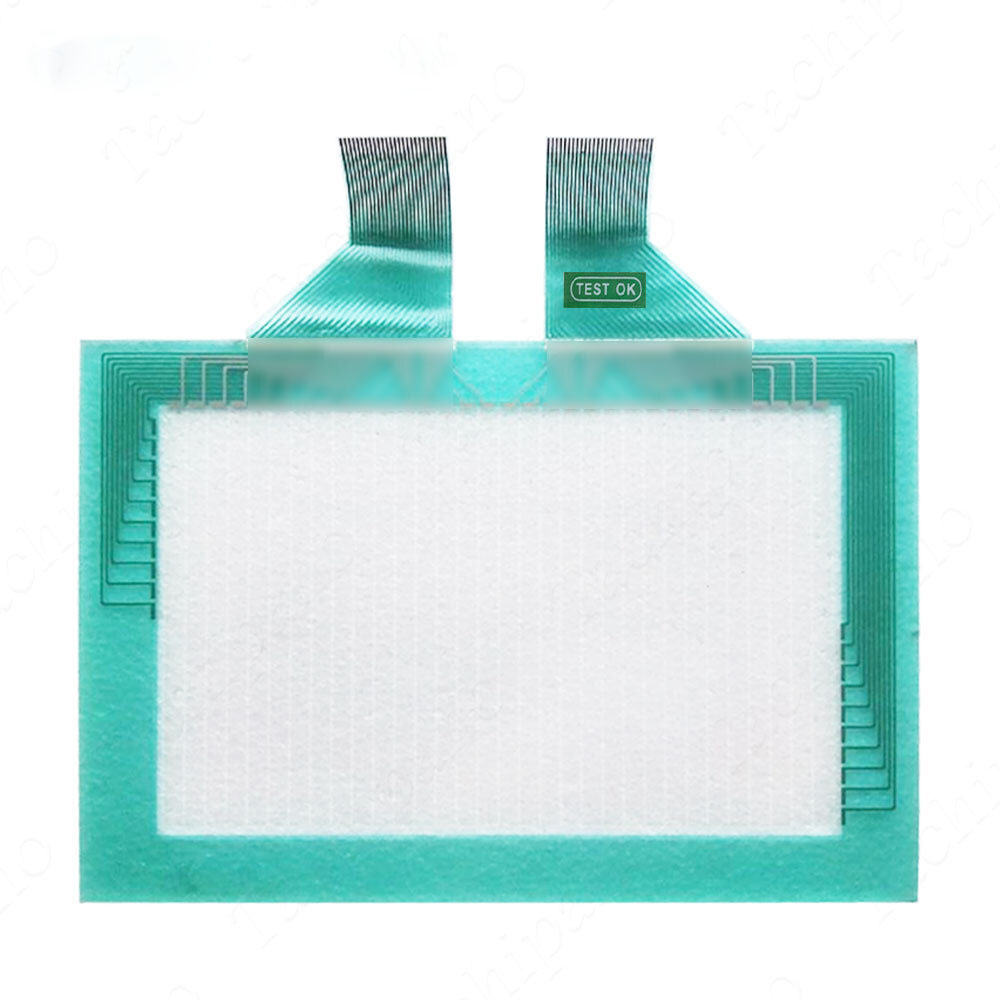
We will explore the core technology that sets this series apart, examining its construction and the digitized touch principle. Following this, a comparative analysis will highlight the distinct features and optimal use cases for each model variant. The discussion will then extend to the practical implementation of these screens, showcasing their transformative impact across key industries. Finally, we will address the critical considerations for integration and long-term performance, providing a holistic view for engineers, designers, and procurement specialists.
Core Technology: The Architecture of a Digitized Touch Interface
At the heart of the GSE-09TLO-K, GSE-09TL7-K, and GSE-09TL7P-KN series lies a digitized touch screen technology, typically based on a projected capacitive (PCAP) or advanced resistive principle. Unlike analog touchscreens, these digitized versions incorporate a dedicated controller that processes touch events directly on the panel. This architecture translates physical touch points into precise digital coordinates (e.g., X, Y) and transmits them as clean, serial data packets—often via USB, I2C, or UART—to the host system.
The "Panel Glass" designation is crucial. It signifies a construction where the sensor and the durable front glass are laminated into a single, seamless unit. This design offers exceptional optical clarity, high surface hardness (often 7H or higher), and remarkable resistance to scratches, chemicals, and moisture ingress. The integration eliminates air gaps, reducing internal reflection and enhancing readability in high-ambient-light conditions. This ruggedized build is fundamental for 24/7 operation, making the panel capable of withstanding the rigors of industrial, medical, and public-facing environments where reliability is non-negotiable.
Model Differentiation: Decoding the GSE-09TL Series Variants
While sharing a common technological foundation, the GSE-09TLO-K, GSE-09TL7-K, and GSE-09TL7P-KN models are engineered for specific application nuances. Understanding their suffixes is key to selection:
-
GSE-09TLO-K: This model often serves as a standard-brightness variant. It provides excellent performance for general indoor applications where extreme sunlight readability is not the primary concern. It balances cost-effectiveness with full feature functionality.
-
GSE-09TL7-K: The "L7" typically denotes a high-brightness display. This model integrates a powerful backlight system, delivering significantly higher luminance (measured in nits) to ensure perfect visibility in direct sunlight or under very bright ambient lighting, such as in outdoor kiosks or automotive dashboards.
-
GSE-09TL7P-KN: This variant builds upon the high-brightness feature with an added critical component: a protective hardened glass surface (the "P"). This additional layer offers supreme resistance to vandalism, extreme abrasion, and impact. The "KN" designation may further indicate specific connector types or enhanced sealing for harsh environments, making it ideal for public transportation, heavy machinery, or secure access panels.
Transformative Applications Across Critical Industries
The robustness and precision of this panel glass series unlock potential across diverse sectors. In industrial automation, they serve as the primary interface for PLC control systems, machine HMI panels, and robotic teach pendants, resisting oil, dust, and constant use. The medical field leverages their easy-clean surfaces and reliable touch response for diagnostic equipment, patient monitoring stations, and surgical control panels, where hygiene and accuracy are paramount.
For transportation and logistics, the high-brightness and toughened models (TL7-K and TL7P-KN) are indispensable. They function reliably in warehouse management terminals, forklift dashboards, and aviation ground support equipment, enduring temperature swings, vibration, and physical shock. In the realm of public interactive kiosks and digital signage, these screens deliver a consistent user experience while resisting the wear and tear of thousands of touches, environmental exposure, and potential vandalism, ensuring long-term public deployment viability.
Integration and Longevity: Ensuring Optimal Performance
Successfully deploying these digitized touch panels requires attention to integration details. The digital output simplifies driver compatibility but necessitates correct protocol and baud rate configuration. Mechanical integration must account for the panel's thickness and ensure proper sealing using recommended gaskets to maintain its IP rating for dust and water resistance. Electrically, designers must ensure a stable power supply to the panel's controller and backlight to avoid flicker or touch sensor instability.
Long-term value is a cornerstone of this product series. The optical bonding technique used in panel glass construction not only improves visibility but also mitigates condensation and extends the display's lifespan by reducing thermal stress. Furthermore, the use of chemically strengthened glass ensures that the surface maintains its integrity against cleaners and solvents. For procurers, this translates to lower total cost of ownership through reduced maintenance, fewer failures, and extended service intervals in the field, justifying the initial investment in a quality component.
In conclusion, the GSE-09TLO-K, GSE-09TL7-K, and GSE-09TL7P-KN panel glass digitized touch screens represent a sophisticated solution engineered for durability, clarity, and precise control in challenging environments. Their differentiated models allow for precise matching to application-specific needs, from standard indoor use to sunlight-readable and vandal-resistant deployments. By understanding their core technology, model distinctions, and integration best practices, engineers can harness their full potential to build more reliable, intuitive, and resilient human-machine interfaces. Ultimately, selecting the right variant from this series is an investment in seamless interaction and enduring performance.


