The modern smartphone industry has reached a plateau in terms of raw processing power. Today, the primary differentiator for a premium mobile device is the user interface experience, which is fundamentally determined by the quality of the touch screen glass. Enter the GT10 New Touch Screen Glass—a material engineered not to simply be "scratch resistant" but to redefine the entire sensory and durability ecosystem of handheld devices. This article delves deep into the specific engineering choices, material science, and application benefits of the GT10, moving beyond marketing jargon to provide actionable insights for manufacturers and informed consumers.
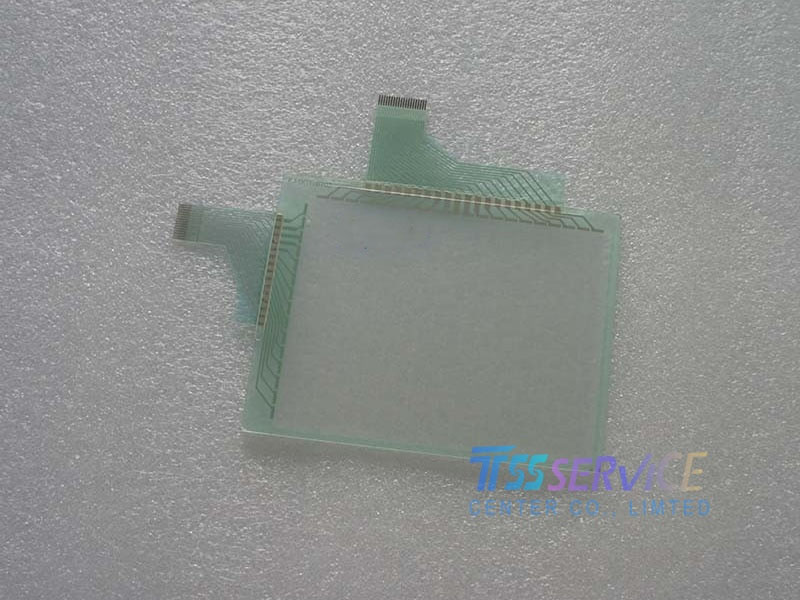
The Material Science: Beyond Traditional Aluminosilicate
Traditional touch glass, primarily composed of aluminosilicate, has reached its performance ceiling in terms of drop survivability. The GT10 represents a shift toward lithium-doped nanoceramic matrix technology. This is not merely a chemical strengthening process; it is a fundamental change in the glass’s internal lattice structure. By incorporating lithium ions during the manufacturing stage—a technique historically reserved for high-end camera lenses—the GT10 achieves two critical properties:
-
Enhanced Ion Exchange Depth: Traditional chemical strengthening relies on a shallow layer of potassium ions. The GT10's lithium-rich composition allows for a deeper ion exchange, creating a compressive stress layer that is 40% thicker than industry standard aluminosilicate glass. This directly translates to higher tolerance against bending stress during impact.
-
Micro-crack Propagation Resistance: The most common cause of screen failure is not the initial impact, but the subsequent propagation of micro-cracks. The nanoceramic particles embedded in the GT10 create a "pinning effect" at the atomic level, halting crack growth before it becomes visible. This is a significant leap from older glasses that rely solely on surface hardness to protect against cracks.
Optical Clarity and Transparency: The Invisible Upgrade
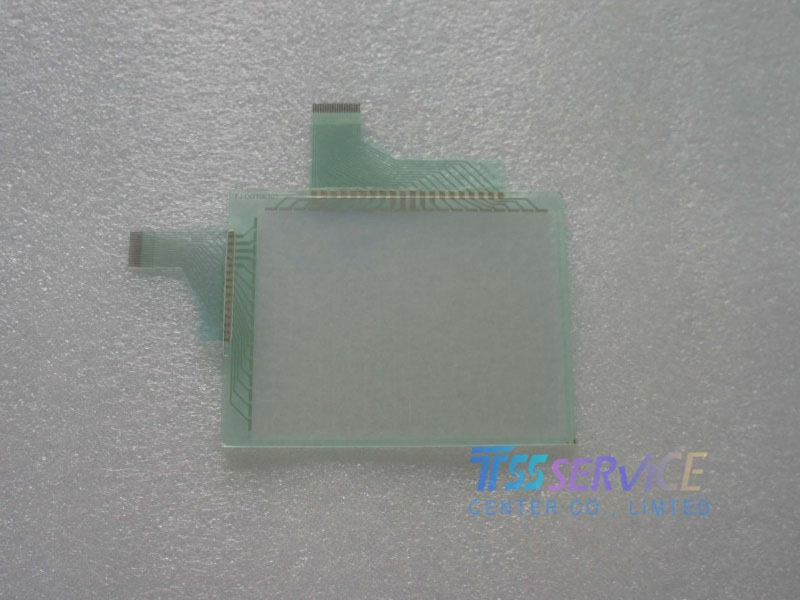
Any durability upgrade is useless if it compromises the visual experience. Many glass manufacturers sacrifice light transmission to achieve hardness, resulting in a slight color cast (usually yellow or blue) under bright light. The GT10 addresses this through a proprietary ultra-pure silica formulation combined with a chemical vapor deposition (CVD) anti-reflection coating that is fused into the glass surface, rather than painted on.
-
Light Transmission Rate: The GT10 achieves a 91.5% visible light transmittance, a figure that rivals high-end AR (Anti-Reflective) camera glass. This ensures true color reproduction and prevents the washed-out look common with chemically sprayed anti-fingerprint coatings.
-
Refractive Index Matching: The GT10's refractive index is precisely matched to the optical clear adhesive (OCA) used to bond the glass to the display. This eliminates the internal reflection between layers, making the display appear as if the content is floating directly on the surface.
-
Oleophobic Layer Longevity: The standard oleophobic coating that repels fingerprints degrades over time. The GT10 utilizes a nano-textured surface bonding process where the oil-repelling layer is chemically grafted onto the glass at a molecular level, increasing its lifespan by up to 300% compared to traditional vacuum deposition coatings.
Drop Dynamics: The 2.5m Survivability Standard
Lab tests often cite drop heights in controlled environments, which rarely reflect real-world accidents. The GT10 was engineered to pass the Type 5 iDrop test standard, which simulates a device falling from a pocket height (1.5m to 2.0m) onto a rough stone surface (Grit 60 sandpaper).
The secret lies in the hybrid stress distribution profile. Traditional glass has high compressive stress on the surface but a sharp transition to tensile stress, creating a weak point. The GT10 uses a multi-step ion-exchange (MSIEX) process. This creates a gradual gradient of stress, making the glass act more like a flexible polymer during bending without losing its hard surface feel. In practical terms, the GT10 is designed to survive a drop where the device lands on its edge (the "top-side" impact zone) which is the single most common cause of screen spidering.
Industrial Application: Manufacturing Tolerances
For OEMs and repair shops, the consistency of the product is critical. The GT10 is manufactured with a thickness tolerance of ±0.03mm. This is critical for ultrasonic fingerprint sensors, which require a precise glass thickness to function. Many third-party replacement glasses fail because they are too thick or too thin, causing sensor calibration errors.
-
Edge Strength: The weakest part of any glass panel is the CNC-cut edge. The GT10 undergoes a diamond-ground beveling process that removes micro-chips left by the cutting wheel, followed by a second chemical strengthening cycle specifically targeting the edges. This results in a "bend strength" of over 680 MPa.
-
Thermal Stability: During assembly, heat is applied to cure adhesives. The GT10's coefficient of thermal expansion (CTE) is 3.2 x 10^-6 /°C, which closely matches the aluminum frame of modern phones. This reduces the risk of the glass "popping off" due to thermal stress in a car dashboard or during a fast-charging cycle.
Conclusion: The New Benchmark for Smartphone Glass
The GT10 New Touch Screen Glass is not a minor iterative improvement; it represents a convergence of nanotechnology and practical engineering. For the consumer, it means a phone that looks cleaner for longer, survives the dreaded "edge drop," and maintains touch sensitivity. For the repair industry, it means a product that matches or exceeds OEM specifications in tensile strength, optical clarity, and sensor compatibility.
In a market saturated with claims of "hardest glass ever," the GT10 backs its performance with specific, measurable material science breakthroughs—from deeper ion exchange layers to crack-pinning nanoceramics. It is, genuinely, a product designed for the real world, not just the lab.


