In the landscape of industrial human-machine interfaces, the display panel serves as the critical bridge between the operator and the machine. Selecting the correct component requires a deep understanding of specifications that extend far beyond simple resolution or brightness figures.
HannStar HSD104IXN1-A00 10.4 Inch TFT LCD Screen: An In-Depth Technical Analysis for Industrial Applications
In the landscape of industrial human-machine interfaces, the display panel serves as the critical bridge between the operator and the machine. Selecting the correct component requires a deep understanding of specifications that extend far beyond simple resolution or brightness figures. The
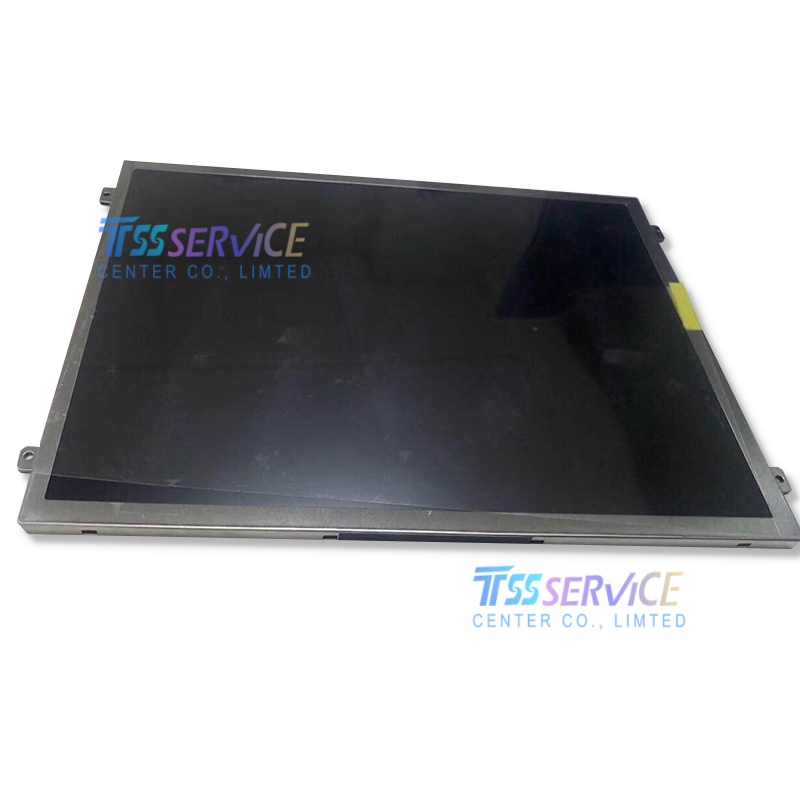
HannStar HSD104IXN1-A00 is a 10.4-inch TFT LCD display that has established itself as a reliable workhorse in demanding environments. This article provides a comprehensive, technical examination of this panel, focusing on its architecture, performance characteristics, and suitability for specific industrial use cases.
Core Specification Analysis: Beyond the Surface
At first glance, the 1024×768 pixel resolution (XGA) and the 10.4-inch diagonal class seem standard. However, the value of the HSD104IXN1-A00 lies in the engineering choices made within these parameters.
-
Resolution and Pixel Density: The XGA resolution on a 10.4-inch diagonal results in a pixel density of approximately 123 PPI. This is a deliberate choice for industrial applications. It offers sufficient clarity for complex data visualization, graphical user interfaces, and control system monitoring without the unnecessary processing overhead or text scaling issues often encountered with higher-resolution panels in smaller form factors. The 4:3 aspect ratio remains a standard for many legacy and specialized control systems, ensuring seamless replacement or integration without aspect ratio distortion.
-
Luminous Efficacy and Viewing Angle: The panel typically features a TN (Twisted Nematic) mode. While TN panels are often criticized for narrow viewing angles in consumer products, for industrial use, they offer specific advantages. The HSD104IXN1-A00 is optimized for portrait or landscape orientation with a defined viewing direction. In a fixed-mount industrial console, the operator is almost always positioned directly in front of the screen. The TN technology provides excellent response times (typically in the range of 10-25 ms) and higher transmittance rates, allowing for lower backlight power consumption to achieve the required brightness. The standard contrast ratio of 700:1 (typical) ensures that text and critical alarm indicators remain highly legible against the background, even in moderate ambient light.
-
Interface and Driving Scheme: The panel utilizes a LVDS (Low-Voltage Differential Signaling) interface, specifically a single-channel 6-bit configuration. This is a critical factor for engineers. LVDS provides a robust, low-noise connection over longer cable runs than parallel interfaces, which is essential for industrial cabinets where the controller board may be physically separated from the display. The 6-bit color depth (262K colors) is adequate for displaying status, data, and control elements; the human eye is far more sensitive to luminance contrast than to color gradation in high-stakes monitoring tasks. Using a 6-bit controller reduces system cost and power consumption compared to an 8-bit or RGB interface.
Mechanical and Environmental Resilience
The physical construction of the HSD104IXN1-A00 is where it differentiates itself from generic commercial displays.
-
Operating Temperature Range: The panel is designed for a wide operating temperature range, typically -20°C to +70°C. This is not a marketing specification; it requires the selection of specific liquid crystal mixtures and polarizer materials that can withstand thermal expansion and viscosity changes. In a factory environment that may experience temperature fluctuations near ovens, cold storage areas, or unheated assembly lines, this thermal tolerance guarantees consistent optical performance and prevents the display from “freezing” or responding sluggishly.
-
Mechanical Outline and Mounting: With an outline dimension of approximately 243.0 mm × 185.1 mm and a thickness under 6.2 mm (excluding the backlight driver board), this panel is designed for tight integration. It typically features mounting holes or brackets designed for VESA-style or custom chassis mounting. The active area (211.2 mm × 158.4 mm) is precisely defined, allowing for accurate bezel design in front-panel applications requiring IP65 sealing. The weight is typically kept under 400 grams, making it suitable for articulated arm mounts or mobile industrial carts without excessive mechanical loading.
-
Backlight Longevity: The panel uses a LED backlight array. The critical specification here is not just brightness, but the MTBF (Mean Time Between Failures) of the LEDs, which is typically rated at 50,000 hours or more under normal operating conditions. This translates to over five years of continuous 24/7 operation. Degradation of the backlight (lumen depreciation) is predictable and gradual, allowing maintenance teams to schedule replacements before failure. The panel does not require a separate CCFL inverter, simplifying the power supply design and eliminating a common failure point in older industrial displays.
Integration Considerations for Engineers
Successfully deploying the HSD104IXN1-A00 requires attention to several engineering details that are often overlooked.
-
Timing Controller (TCON) Compatibility: The LVDS interface is standardized, but the specific pin mapping and signal timing parameters (such as clock frequency and data enabling sequences) are unique to this model. Engineers must obtain the official HannStar HSD104IXN1-A00 datasheet to configure their FPGA, ASIC, or standard graphics controller correctly. Using a generic LVDS signal without adhering to the specific vertical blanking intervals or sync timings can result in image tearing, shifting, or no display output.
-
Backlight Power Requirements: The backlight operates on a nominal voltage (often around 12V or 24V DC) and a specific current. The LED driver must provide a constant current (CC) regulation. A common failure mode is using a constant voltage (CV) supply, which can cause an inrush current spike, damaging the LED strings. The driver should also feature PWM (Pulse Width Modulation) or analog dimming to adjust brightness based on ambient light sensors or user preference, without introducing visible flicker (avoiding frequencies below 200 Hz).
-
Optical Bonding and Touch Integration: For environments with high vibration or direct sunlight, optical bonding (using a liquid optically clear adhesive to laminate a touch panel or cover glass) is recommended. This eliminates the air gap between the display glass and the front layer, dramatically reducing internal reflections and improving sunlight readability. The module is physically robust enough to withstand bonding pressures, but the process must be pre-qualified with the panel to ensure the polarizer is not stressed.
Practical Value and Application Suitability
The HSD104IXN1-A00 is not a general-purpose consumer display. Its design philosophy is fitness for purpose in specific verticals.
-
Primary Application: PLC and HMI Panels: It is ideally suited for directly interfacing with programmable logic controllers (PLCs) in manufacturing environments. The XGA resolution allows for a complete SCADA screen view without pinching or scrolling. The wide temperature range and LVDS interface are tailored for integration into metal NEMA 4X enclosures where heat dissipation is a concern.
-
Medical and Diagnostic Equipment: While not a medical-grade color calibration display, it is frequently found in patient monitoring systems, diagnostic ultrasound machines, and lab equipment. The consistent luminance and absence of backlight flicker (at proper PWM frequencies) are advantages for equipment used in patient-facing or clinical settings.
-
Kiosk and Digital Signage: For informational kiosks in indoor or semi-outdoor environments (like ticket machines or industrial inventory terminals), its reliability and modularity offer a cost-effective alternative to custom-designed display modules. The replaceable LED backlight ensures a longer service life compared to cheaper CCFL-based alternatives.
Conclusion
The
HannStar HSD104IXN1-A00 is a robust, purpose-engineered 10.4-inch industrial display that prioritizes longevity, thermal tolerance, and integration simplicity. Its choice of TN technology, LVDS interface, and XGA resolution are not weaknesses but deliberate optimizations for high-reliability monitoring and control applications. For system integrators and design engineers, its true value lies not in flashy specifications, but in its predictable performance, standard interface, and the long-term support infrastructure associated with a major panel manufacturer. When specified and integrated correctly with the proper backlight driver and timing controls, it provides a stable, high-quality visual interface for the demanding operating conditions of modern industry.


