In the intricate world of industrial electronics, the display often serves as the critical interface between complex machinery and human operators. For engineers and procurement specialists sourcing components for Hitachi systems, identifying the right LCD module is a task that balances precise specifications with long-term reliability.
In the intricate world of industrial electronics, the display often serves as the critical interface between complex machinery and human operators. For engineers and procurement specialists sourcing components for Hitachi systems, identifying the right LCD module is a task that balances precise specifications with long-term reliability. This article delves into a specialized component designed for this exact purpose: the SP14Q002-B1 5.7-inch 320x240 FSTN-LCD.
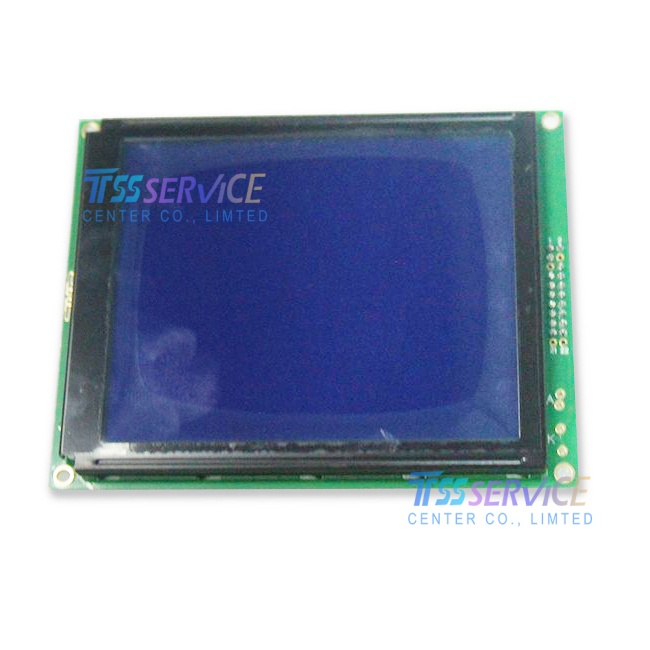
Our exploration will move beyond basic datasheet parameters to examine the technological rationale behind its design, its seamless integration within Hitachi's ecosystem, the tangible benefits it delivers in demanding environments, and the strategic considerations for its implementation. This deep dive aims to provide a comprehensive understanding of why this specific display module is more than just a part—it's a pivotal element in ensuring operational clarity and system integrity.
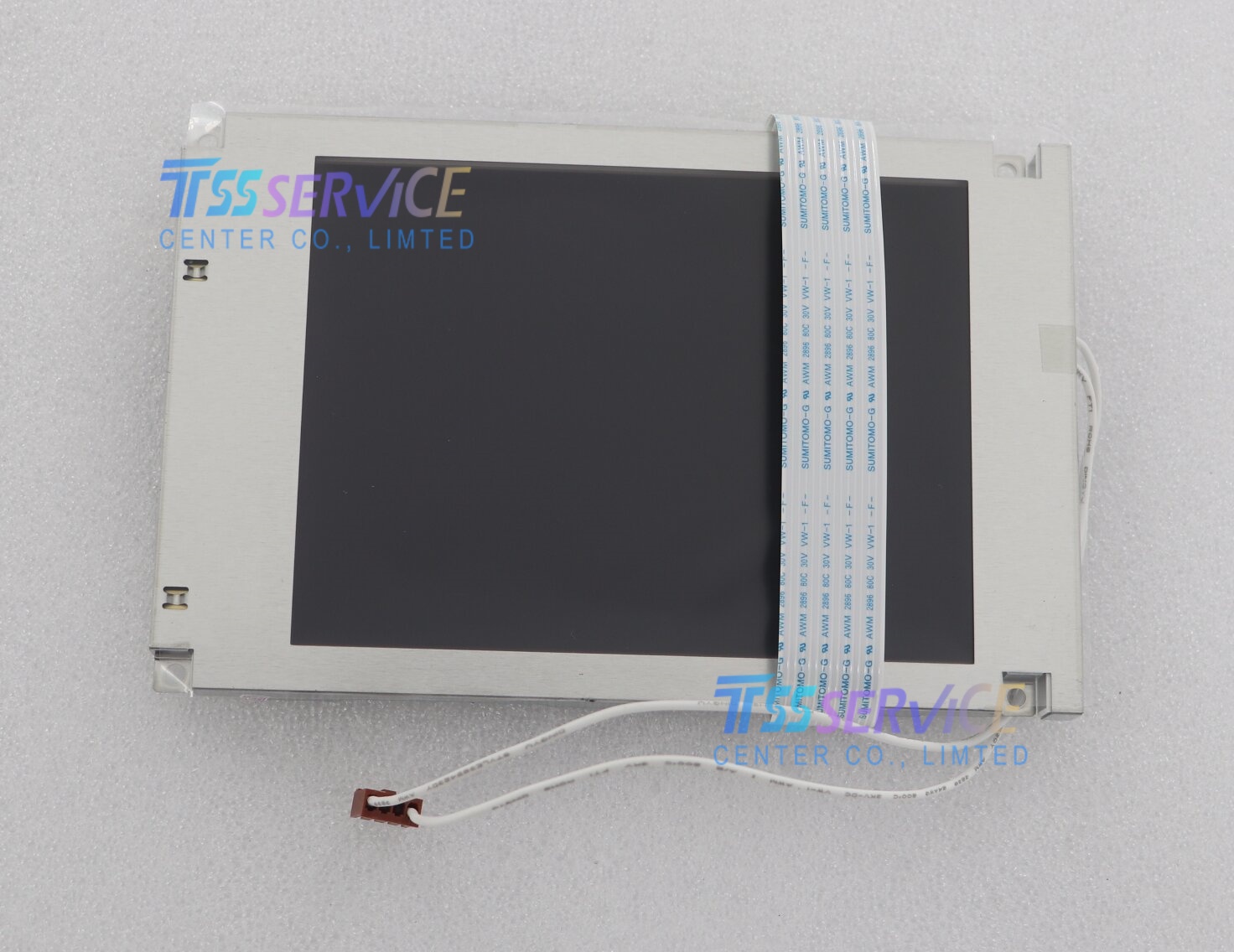
Decoding the Specification: The Technology Behind FSTN Clarity
At first glance, the SP14Q002-B1 specifications—a 5.7-inch diagonal with a 320x240 pixel resolution—might seem modest compared to consumer displays. However, this configuration is a deliberate engineering choice optimized for industrial human-machine interfaces (HMIs). The QVGA resolution provides sharp, legible rendering of critical data, alarms, schematic diagrams, and control menus without the unnecessary processing overhead of higher-resolution displays, ensuring swift and reliable system response
.
The true technological differentiator lies in its FSTN (Film Compensated Super Twisted Nematic) panel. Standard STN displays can suffer from background colorization and limited viewing angles. The addition of a phase compensation film in FSTN technology effectively neutralizes this color shift, resulting in a high-contrast, black-on-white (or white-on-black) presentation that is vastly superior in readability. This passive matrix technology, coupled with a CCFL or LED backlight, offers excellent performance in a wide range of lighting conditions, from dim control rooms to sunlit factory floors, while maintaining lower power consumption and cost compared to active-matrix alternatives.
Engineered for Integration: The Hitachi Compatibility Imperative
A core component's value is measured not in isolation, but by its flawless integration into the target system. The SP14Q002-B1 is expressly designed FOR Hitachi, a designation that implies a deep level of mechanical, electrical, and protocol compatibility. This goes beyond simple pin-out matching. The module's form factor, mounting hole patterns, and bezel dimensions are engineered to drop seamlessly into Hitachi chassis or existing product designs, eliminating costly mechanical rework.
Electrically, it interfaces cleanly with Hitachi's controller architectures, accepting standard logic voltage levels and timing signals. This compatibility ensures stable communication between the host controller and the display, preventing glitches, snow, or synchronization failures that can plague mismatched components. For product managers and maintenance teams, this designated compatibility translates directly into reduced development risk, faster time-to-market for upgrades, and simplified inventory management for service and repair, knowing the module is a verified, plug-and-play solution.
Delivering Reliability in Demanding Operational Environments
Industrial and instrumentation applications subject components to stresses far beyond a typical office setting. The SP14Q002-B1 is built to endure these challenges. Its operating temperature range typically spans from -20°C to +70°C, ensuring stable performance in both unheated enclosures and hot machinery rooms. The robust construction resists vibration and shock, common in manufacturing, transportation, and field-deployed equipment.
The FSTN technology itself contributes to this rugged reliability. With no delicate thin-film transistors on the glass substrate (as found in TFT-LCDs), the panel is inherently less susceptible to single-point failures from pixel defects. Furthermore, the high-contrast and wide viewing angle provided by the FSTN film are not just features of convenience; they are critical safety and efficiency features. An operator can clearly read parameters or warnings from various vantage points, reducing the chance of error. This durability ensures a long service life, minimizing downtime and total cost of ownership for the end-user.
Strategic Sourcing and Application Considerations
Selecting the SP14Q002-B1 is a strategic decision with implications for the entire product lifecycle. For OEMs designing new equipment for the Hitachi platform, it represents a low-risk, high-reliability choice that accelerates development. When considering this module, key questions must be addressed:
-
Long-Term Availability: Is the module, or its direct equivalent, guaranteed to be in production for the lifespan of your product?
-
Supply Chain Security: Are there multiple authorized distributors or a direct channel to ensure a steady supply and avoid production halts?
-
Application Fit: Is the monochrome FSTN display sufficient, or does the HMI require color or video capability? For most industrial status and control applications, the superior contrast of FSTN is often more functional.
-
Backlight Options: Determining whether CCFL or LED backlighting is more suitable based on power constraints, desired luminance, and operational lifetime requirements.
Addressing these points transforms the procurement process from a simple parts order into a strategic component of product planning and lifecycle management.
In conclusion, the SP14Q002-B1 5.7-inch FSTN-LCD module exemplifies a purpose-built industrial component where specification, compatibility, and durability converge. Its value is proven not in flashy features, but in its reliable performance as the clear, unwavering interface for Hitachi-based systems in challenging environments. By understanding the technology behind its clarity, the depth of its system integration, and its rugged design philosophy, engineers and buyers can confidently specify this module as a cornerstone for building dependable and maintainable industrial equipment. Its continued relevance lies in its focused excellence on the core requirements of the industrial HMI.


