In the demanding world of industrial automation, medical diagnostics, and specialized embedded systems, the display interface is often the most critical point of human-machine interaction. While consumer electronics chase bezel-less designs and high refresh rates, the industrial sector requires a different kind of excellence: reliability, stability, and precise optical performance under harsh conditions
In the demanding world of industrial automation, medical diagnostics, and specialized embedded systems, the display interface is often the most critical point of human-machine interaction. While consumer electronics chase bezel-less designs and high refresh rates, the industrial sector requires a different kind of excellence: reliability, stability, and precise optical performance under harsh conditions. The Hitachi SX17Q03L0BLZZ REV.B is a 5.7-inch LCD display panel that embodies these principles. This article delves beyond the surface-level specifications to explore the architecture, operational nuances, and strategic value of this specific module. We will examine why this particular revision represents a refined iteration of a trusted platform, analyzing its construction, interface logic, environmental resilience, and the practical considerations for engineers integrating it into mission-critical systems. This is not merely a screen; it is a precision component designed for longevity in environments where failure is not an option.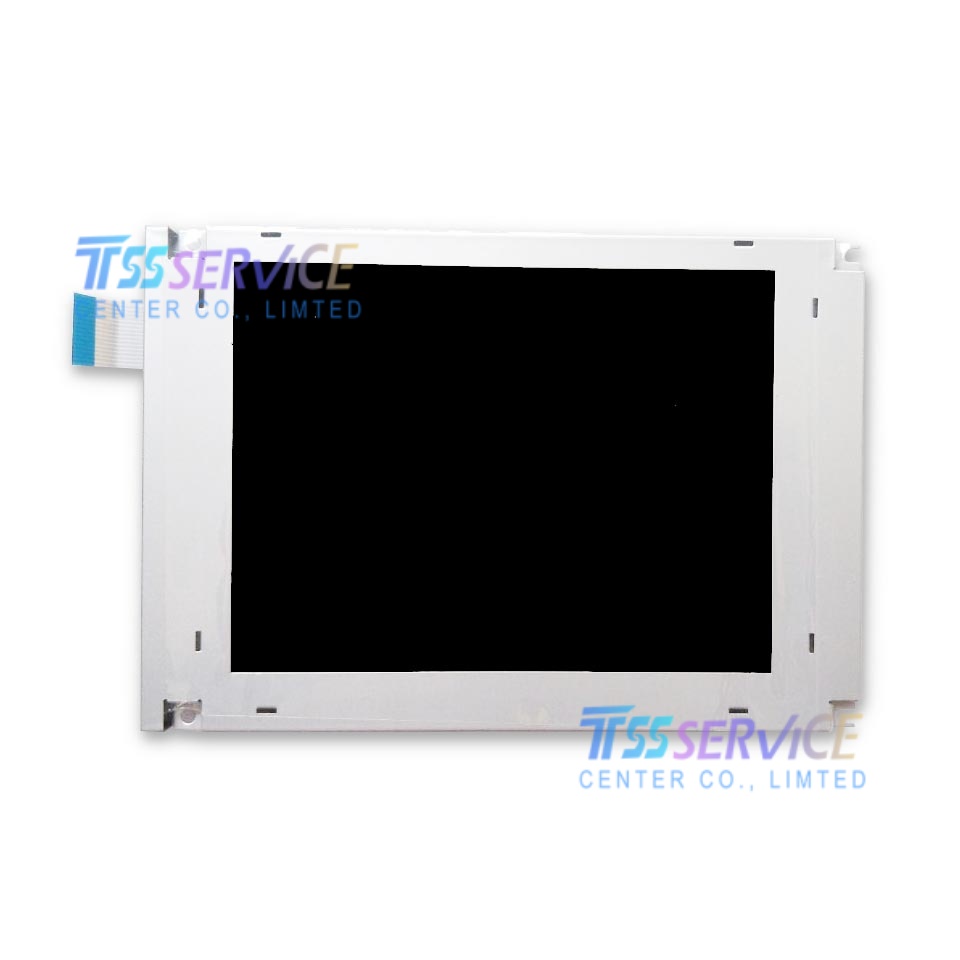
The Architectural Core: Understanding the LCD Construction and Optical Characteristics
At the heart of the SX17Q03L0BLZZ REV.B lies a sophisticated liquid crystal structure engineered for clarity and durability. The panel utilizes a Twisted Nematic (TN) technology, a mature and highly reliable choice for industrial applications where response time and cost-effectiveness are prioritized over wide viewing angles. The "REV.B" designation, crucially, indicates a hardware revision that typically addresses feedback from earlier production runs, often involving optimization in backlight driver circuitry or signal noise filtering.
The display offers a native resolution of 320 x 240 pixels (QVGA), a standard for applications requiring text, basic graphs, and simple GUI elements without the overhead of higher resolution processing. The 5.7-inch diagonal provides a generous active area for readability. Critically, the panel incorporates a CCFL (Cold Cathode Fluorescent Lamp) backlight. While LEDs dominate modern designs, the CCFL in this Hitachi module offers distinct advantages in specific use cases: superior color rendering for certain medical imaging palettes and a more diffuse, uniform light distribution without the "hot spotting" seen in early LED arrays. The luminance, typically rated around 400 cd/m², ensures clear visibility in indoor factory or lab environments. The contrast ratio, often exceeding 500:1 for this revision, provides the necessary distinction between data elements, reducing operator eye strain during prolonged use.
Signal Integrity and Timing: Navigating the LVDS Interface and Timing Controller
One of the most critical aspects of integrating the SX17Q03L0BLZZ REV.B is mastering its data interface. The panel employs a single-channel LVDS (Low-Voltage Differential Signaling) interface. This is a deliberate engineering choice, as LVDS offers high noise immunity over longer cable runs—a common requirement in industrial enclosures where the mainboard may be physically separated from the display. The signal integrity parameters of this REV.B revision have been tightened to reduce electromagnetic interference (EMI), a significant concern in medical and avionics instrumentation.
The panel includes a built-in Timing Controller (TCON), which simplifies the system designer's task by handling pixel addressing, frame buffering, and synchronization internally. This TCON is programmed to accept specific clock frequencies and timing parameters (H-sync, V-sync, back porch, front porch). The input voltage requirements are absolute: the panel demands a stable 3.3V for logic and a separate higher voltage for the CCFL inverter. Designers must pay careful attention to power sequencing; improper power-up sequences can latch the TCON or cause intermittent display corruption. The REV.B variant is noted for improved tolerance to power supply ripple, allowing for simpler, cheaper power regulation circuitry on the host board. Understanding the specific timing diagrams provided in the Hitachi datasheet is non-negotiable for a successful first pass design.
Mechanical Integrity and Thermal Management: Designing for the Environment
Unlike a consumer tablet, the SX17Q03L0BLZZ REV.B is built to withstand mechanical stress. The module features a robust metal frame with precisely located mounting holes and bosses, designed for secure attachment to a front bezel or chassis. The weight of the panel, typically around 250-300 grams, reflects the use of thicker glass substrates and a sturdier metal backlight housing compared to lighter, more fragile consumer counterparts. The interface connector is a low-insertion-force (LIF) type, resistant to vibration-induced disconnection, and is keyed to prevent incorrect cable insertion—a small but critical feature for field maintenance.
Thermal management is a silent but vital design consideration. The CCFL backlight generates heat, and if not dissipated effectively, the liquid crystal fluid can degrade, leading to dark spots or reduced switching speed. The REV.B revision often includes improved thermal vias in the PCB connecting the CCFL inverter to the metal chassis, allowing the enclosure to act as a heat sink. The operating temperature range is typically 0°C to +50°C, with a storage range extending to -20°C. For applications near the upper thermal threshold, forced air circulation or passive conduction to a larger thermal mass is recommended. Ignoring thermal pathways can reduce the panel's operational lifespan by thousands of hours, turning a robust component into a failure point.
Lifecycle Management and Sourcing Strategy: The Value of a Proven Revision
For procurement engineers and project managers, the "REV.B" designation signals a product that has matured. Hitachi, as a major OEM supplier, supports long production lifecycles for their industrial modules, often guaranteeing at least five to seven years of availability. The REV.B revision indicates that initial teething issues (such as specific inverter resonance frequencies or connector seating depth) have been resolved. Sourcing a stable revision like this reduces the risk of last-minute design alterations caused by component obsolescence.
Investment in this panel must be viewed through the lens of total cost of ownership, not just unit price. The CCFL backlight has a finite lifespan, typically rated at 50,000 hours to half-brightness. Replacement strategies should be planned upfront, including stocking spare modules or partnering with a supplier who can cross-reference compatible inverters. Furthermore, while the panel uses a standard interface, its unique firmware in the TCON means it is not a "drop-in" replacement for every 5.7-inch QVGA display. Engineers should request the official Hitachi Interface Specification Document (ISD) to verify pinout and timing compatibility. Proactive management of this component, including securing a supply agreement for the REV.B revision, protects the production line from costly disruptions.
The SX17Q03L0BLZZ REV.B is a testament to the principle that mature, well-documented components are the backbone of reliable industrial systems. Its refined signal integrity, robust mechanical design, and predictable lifespan make it a strategic choice for designers who value uptime over novelty. Success with this panel hinges on respecting its LVDS timing requirements, providing adequate thermal management for the CCFL backlight, and securing a stable supply chain for a known revision. For applications requiring a proven 5.7-inch solution that balances optical performance with environmental endurance, this Hitachi panel remains a formidable and defensible engineering decision.


