The industrial sector operates on a foundation of precision, durability, and unwavering reliability. While much attention is paid to processors and control logic, the interface between the machine and the human operator—the display panel—is often the critical point of failure or success.
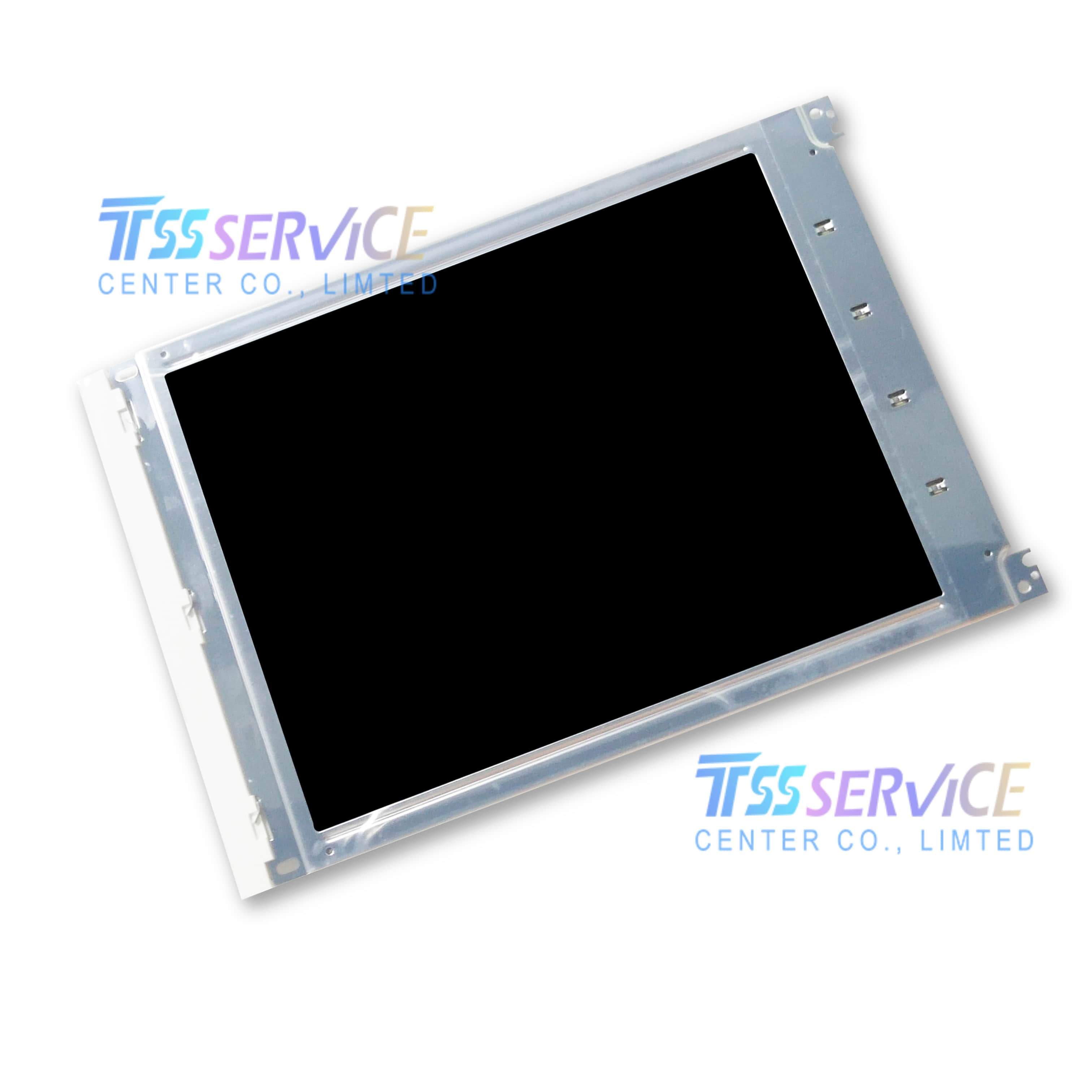
The industrial sector operates on a foundation of precision, durability, and unwavering reliability. While much attention is paid to processors and control logic, the interface between the machine and the human operator—the display panel—is often the critical point of failure or success. In this context, the Hitachi/KOE LMG5261XUFC-C emerges as a definitive component, a 9.4-inch LCD panel designed specifically for the rigorous demands of industrial environments. Unlike commercial screens optimized for aesthetics and cost, this module prioritizes readability under harsh lighting, wide temperature tolerance, and long-term availability. This article delves into the technical architecture, operational advantages, and strategic importance of the LMG5261XUFC-C, arguing that it represents far more than a simple display. It is a keystone for system integrators and maintenance engineers who require a stable, high-contrast visual solution capable of surviving the factory floor.
Dissecting the Technical Core: Resolution and Panel Technology
At the heart of the LMG5261XUFC-C lies its specific resolution and panel type: 640x480 pixels (VGA) on a 9.4-inch diagonal screen. In an era obsessed with ultra-high-definition, this specification might appear dated, but within industrial applications, it is a deliberate and intelligent choice. VGA resolution on a compact screen ensures that text and symbols remain crisp without requiring excessive processing power to render graphical interfaces. This reduces latency in control systems and simplifies legacy software integration, a critical factor for factories running established SCADA or PLC platforms.
More importantly, the panel utilizes a STN (Super Twisted Nematic) monochrome technology, likely in a yellow-green or white-blue configuration. This choice offers distinct advantages over active-matrix TFT alternatives. STN panels provide exceptional viewing angle stability under direct sunlight—a common pain point in bright factory bays. The CCFL (Cold Cathode Fluorescent Lamp) backlight system, standard for this model, delivers a steady luminance essential for long-shift operations. The combination of a 12:1 contrast ratio and a wide temperature range (typically -20°C to +70°C) makes this display resistant to the thermal cycling and vibration that degrade consumer-grade screens. For design engineers, the TTL interface provides straightforward signal integrity, simplifying the hardware integration process.
Interface Architecture and System Integration challenges
Successful deployment of the LMG5261XUFC-C requires a deep understanding of its electrical interface. This panel operates on a 6-bit parallel TTL (Transistor-Transistor Logic) interface, rather than the more common LVDS found in modern commercial monitors. This distinction is not a drawback but a feature for the industrial sector. Parallel TTL offers lower latency in signal processing, which is vital for real-time data displays in CNC machines or medical equipment.
However, this architecture demands precise timing from the host controller. Engineers must manage the DE (Data Enable) mode and clock signals carefully to avoid screen tearing or ghosting. The pinout configuration includes specific voltage supplies (+3.3V or +5V for logic and a separate high-voltage path for the CCFL inverter). One of the common challenges when replacing obsolete units is inverter compatibility. The LMG5261XUFC-C requires a specific starting voltage (about 50V RMS) and operating current for its backlight. Technicians must source an inverter board that matches these exact parameters to prevent flickering or premature lamp failure. Because of these integration nuances, this panel is typically not a plug-and-play consumer upgrade; it is a component-level solution for OEMs and maintenance teams who understand its signal timing and power sequencing needs.
Lifecycle Management and Sourcing Strategy
For asset managers and procurement specialists, the longevity of a display panel is just as important as its technical specifications. The Hitachi/KOE LMG5261XUFC-C has a production lifecycle that spans decades, making it a standard for long-term industrial projects. However, as of 2024, this model has entered a mature phase. This means it is moving from full production to Last Time Buy (LTB) or dedicated supply for critical infrastructure projects. The primary risk is not obsolescence of the display itself, but of its CCFL backlight tube, which has a finite lifespan of approximately 50,000 to 70,000 hours.
Effective sourcing strategy requires working with authorized industrial distributors rather than general e-waste recyclers. Key factors to verify include:
-
Freshness of the Backlight: Request units manufactured within the last two years to maximize luminosity hours
.
-
Compliance with RoHS/REACH: Ensure the specific revision (XUFC-C variant) meets current environmental regulations.
-
Polarizer Degradation: Older stock may have tacky or bubbled polarizers; require testing before purchase.
-
Alternate Cross-References: Check compatibility with distributors who test against original KOE/Hitachi datasheets.
Because direct drop-in replacements are limited, maintaining a cold spare inventory of this panel is often a cost-effective strategy compared to retrofitting an entire machine to a new display standard.
The Hitachi/KOE LMG5261XUFC-C stands as a testament to industrial engineering—a specialized tool optimized for visibility, stability, and long-term serviceability rather than pixel density. Its STN monochrome technology and parallel TTL interface require careful integration but offer robust performance where commercial displays fail. For the engineer tasked with keeping a production line running or a procurement specialist managing legacy systems, this panel is not a disposable component; it is a strategic asset. By understanding its technical depth and lifecycle realities, professionals can ensure reliable human-machine interaction for years, proving that in industrial settings, simplicity and robustness always outshine raw specification figures.


