In the realm of industrial automation, medical equipment, and embedded systems, the display interface is often the most critical point of human-machine interaction. Among the myriad of TFT LCD panels available, the
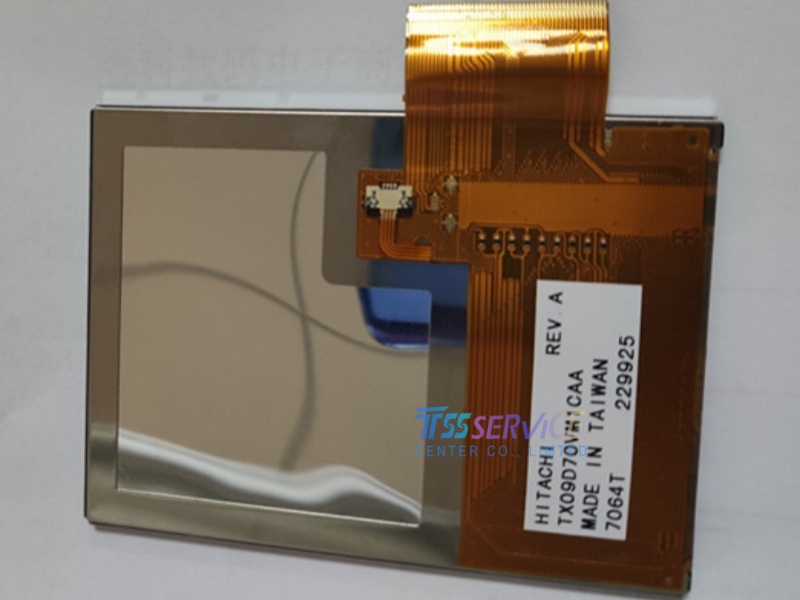
Hitachi TX09D70VM1CAA stands out as a highly specialized component. This 3.5-inch module, combining a TFT LCD panel with a touch screen interface and a QVGA resolution, represents a deliberate balance between size, clarity, and functional reliability. While consumer electronics chase ever-larger screens and higher pixel densities, the
TX09D70VM1CAA serves a different master: durability, precise readability, and seamless integration. This article will dissect the technical architecture, application rationale, and operational nuances of this specific display module, offering a deep dive into why this particular Hitachi component remains a relevant choice for engineers and designers operating in high-stakes, space-constrained environments.
Architectural Core: The TFT LCD and Touch Panel Integration
The foundation of the
Hitachi TX09D70VM1CAA lies in its dual-layer construction. The primary layer is a 3.5-inch amorphous silicon TFT (Thin Film Transistor) LCD. This technology is not merely about displaying color; it is about providing consistent, flicker-free image stability across the entire viewing area. The QVGA resolution (320 x 240 pixels) is a deliberate choice. In this 4:3 aspect ratio format, each pixel is larger than in higher-density smartphone displays, which translates directly into superior contrast and readability under harsh lighting, including direct sunlight. The transistor matrix ensures that each pixel can be individually addressed, resulting in sharp text rendering for menus and waveforms.
Equally critical is the integrated
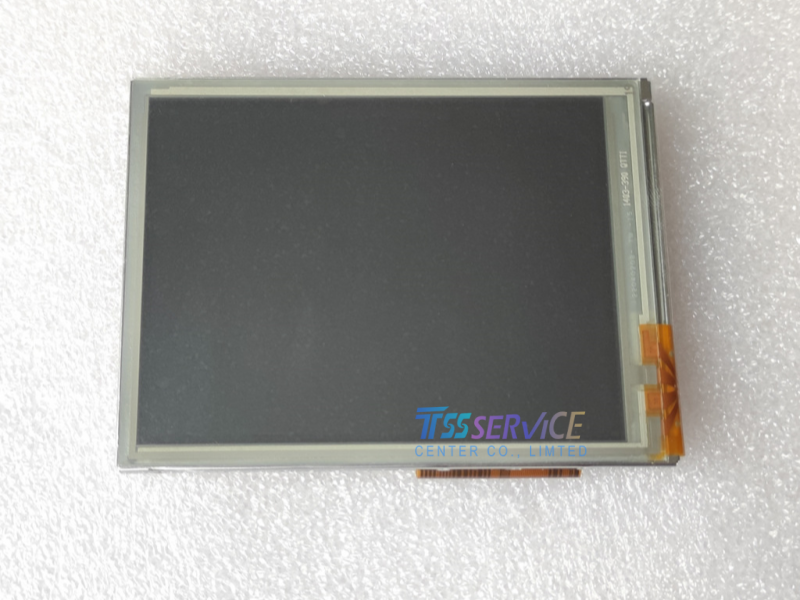
touch screen functionality. The
TX09D70VM1CAA typically employs a resistive or, in advanced variants, a projected capacitive technology overlay. This is not the same touch experience found in a modern tablet. Instead, it is optimized for gloved hands, stylus input, or operation in the presence of moisture—conditions common in factory floors or field medical devices. The integration of the touch layer is performed at the module level, meaning the optical bonding or air gap is calibrated to minimize parallax error. For the end-user, this means that the touch point and the display point are precisely aligned, which is non-negotiable for applications where a user must tap a tiny button or select a specific data point on a graph.
Interfacing Protocols and Signal Integrity
Moving beyond the glass, the electrical interface of the
Hitachi TX09D70VM1CAA reveals its professional pedigree. The panel typically utilizes a CMOS parallel RGB interface, a standard in the embedded world for its simplicity and deterministic timing. Unlike modern serial interfaces like MIPI DSI, a parallel interface gives the developer direct control over pixel clock and synchronization signals (HSYNC, VSYNC, DE). This is a significant advantage in real-time systems. If a microcontroller needs to draw a specific line on the screen with zero latency for a critical alarm, a parallel interface avoids the algorithmic overhead of packetizing data.
The connection is usually established via a fine-pitch FPC (Flexible Printed Circuit) cable. Engineers must pay careful attention to signal routing on the host PCB. The impedance matching and skid length of the data lines are less forgiving than with slower serial protocols. Furthermore, the module's touch screen requires its own dedicated controller, often communicating over either I2C or SPI. This separation of video data and touch data on the hardware level is a hallmark of robust design. It prevents touch polling traffic from interfering with frame buffer updates, which is essential for maintaining a smooth 60Hz refresh rate. For the integrator, understanding that this panel requires a dedicated parallel video source—such as an STM32F4 or a specific SoC—is crucial before system design begins.
Thermal Management and Longevity in Duty Cycles
One of the most overlooked aspects of industrial panel selection is thermal behavior. The
Hitachi TX09D70VM1CAA is engineered for continuous operation. Its specified operating temperature range is typically broader than commercial-grade panels, often spanning -20°C to +70°C. This is achieved through careful selection of the liquid crystal fluid mixture. At low temperatures, the viscosity of the LC fluid increases, but Hitachi's formulation ensures a responsive reaction time so that the display does not become a ghosting "zombie" screen in a cold warehouse.
Equally important is the backlight unit (BLU). The module uses either a CCFL (Cold Cathode Fluorescent Lamp) or, more commonly in later revisions, an LED backlight. The LED variant is preferable for two reasons: lower power consumption and higher reliability. The LED driver current must be precisely regulated. Overdriving the backlight may yield a brighter image initially, but it exponentially accelerates the lumen depreciation of the LEDs. In a 24/7 medical monitor or a factory HMI, this "browning out" of the display over five years is a common failure mode. Proper thermal design, including adequate ventilation or even a small heat sink on the backlight driver IC, will prolong the usable life of the TX09D70VM1CAA from a standard 50,000 hours to over 100,000 hours. The panel does not fail often; it is the power management and heat dissipation around it that dictates its true lifespan.
Conclusion
The
Hitachi TX09D70VM1CAA 3.5" TFT LCD Panel is far more than a simple screen; it is a precisely engineered subsystem designed for dependability in challenging environments. Its QVGA resolution and integrated touch interface provide a tactical advantage in applications where clarity and interaction accuracy matter more than pixel count. From its robust parallel interface to its carefully managed thermal characteristics, every aspect of this module is built for a long duty cycle. For design engineers facing the constraints of size without the luxury of failure, the TX09D70VM1CAA remains a sound, proven foundation, reminding us that in the industrial world, reliability is the truest form of sophistication.


