In the demanding world of industrial automation, medical imaging, and high-end HMI systems, the quality of a display panel is not merely a feature—it is a critical component of operational reliability. The
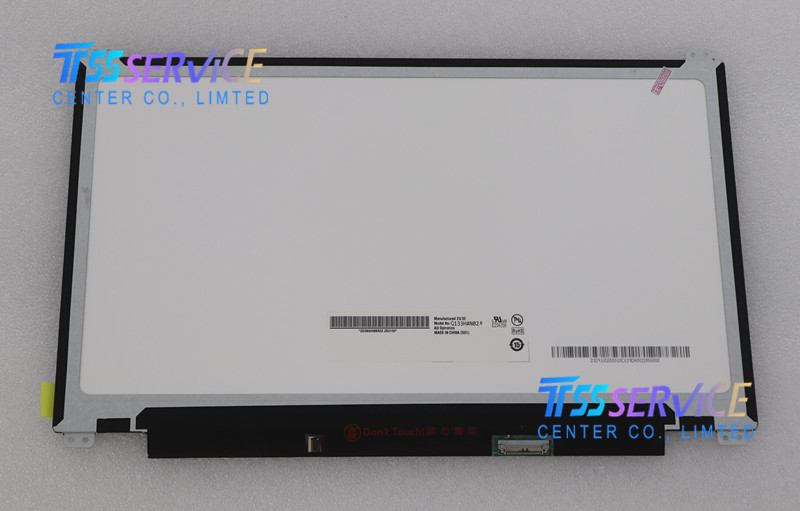
AUO 13.3-inch LCD Display Panel G133HAN02.0 has emerged as a benchmark solution for engineers and system integrators who require uncompromised visual clarity and robust performance. This article provides a deep technical exploration of this specific panel, moving beyond basic specifications to examine its engineering philosophy, optical architecture, and mechanical resilience. We will dissect why the G133HAN02.0 is particularly suited for environments where standard consumer displays fail, focusing on its unique balance of high luminance, wide viewing angles, and stringent industrial-grade thermal management. The goal is to equip procurement specialists and design engineers with the actionable knowledge needed to evaluate this component for mission-critical applications.
The Optical Architecture: Beyond Standard High Definition
While the
G133HAN02.0 operates at a standard 1920 x 1080 Full HD resolution, its true value lies in the quality of that resolution. The panel utilizes
AHVA (Advanced Hyper-Viewing Angle) technology, a proprietary advancement that delivers a wide 89/89/89/89 degree viewing angle. In an industrial context, this is not about watching video from the side of a room; it is about ensuring that an operator monitoring a production line from an oblique angle sees a consistent, non-shifted color profile. Unlike twisted nematic (TN) panels, which suffer from color inversion and contrast loss at even slight angles, the G133HAN02.0 maintains a stable grey-to-grey response, critical for distinguishing subtle color differences in medical or calibration software.
Furthermore, the panel is designed with a high luminance specification, typically reaching 1000 cd/m². This is a deliberate engineering choice. In factory floors, sun-lit kiosks, or outdoor rail terminals, ambient light can wash out a standard 300 cd/m² display. The high brightness of the G133HAN02.0 ensures that the contrast ratio remains legible even under direct glare. To achieve this without generating excessive heat—a common pitfall of simply “boosting the backlight”—AUO integrates an optimized LED backlight unit. This design uses a carefully arranged array of LEDs and a high-efficiency light guide plate to deliver uniform luminance across the entire 293.4 mm x 164.9 mm active area, minimizing the “hotspotting” and edge shadows that plague lower-cost high-brightness panels.
Mechanical Rigor and Thermal Management for Continuous Operation
The mechanical construction of the G133HAN02.0 is a direct response to the 24/7 operational demands of industrial equipment. Unlike commercial displays that are designed for a few hours of daily use, this panel is engineered for continuous duty cycles. Its operating temperature range spans from -20°C to +70°C, while storage extends from -30°C to +80°C. This tolerance is achieved through the selection of liquid crystal materials with a wider nematic phase range, preventing the crystals from freezing in cold starts or “boiling” in high-heat environments near machinery.
Beyond thermal endurance, the panel incorporates a robust mechanical structure. It features an integrated metal bezel and mounting holes designed for standard VESA or custom bracket integration. This is not a friction-fit module; it is a rigid assembly designed to withstand vibration and mechanical shock without compromising the integrity of the glass. The surface treatment is also critical. The panel typically employs an anti-glare (AG) coating, typically at a 25% haze level. This micro-textured surface scatters direct light reflections that would otherwise obscure data points. While this treatment does fractionally reduce on-axis contrast, the trade-off is essential for readability in uncontrolled lighting environments. For applications requiring touch integration, the optical bonding capabilities of this panel allow for direct lamination of a cover glass or touch sensor, reducing parallax and improving sunlight readability by eliminating the air gap.
Interface Compatibility and Signal Integrity
Seamless integration into existing industrial systems requires a robust electrical interface. The G133HAN02.0 is configured with a dual-channel LVDS (Low-Voltage Differential Signaling) interface. LVDS remains the backbone of industrial display connectivity due to its inherent noise immunity and long cable run capabilities. Unlike the newer eDP standard, which is common in laptops, LVDS is preferred in many PLC and embedded controller environments because it does not require complex link training and is inherently more resistant to electrical interference from motors and high-power switching equipment found in industrial settings.
The panel supports a display resolution of 1920x1080 at a 60 Hz refresh rate, which is standard, but what deserves attention is the signal timing and voltage tolerance. The G133HAN02.0 is designed to accept a wide range of input voltage levels (typically 3.3V) with defined timing parameters that match legacy and modern industrial single-board computers. Additionally, the interface includes specific pins for backlight brightness control via PWM (Pulse Width Modulation). This allows engineers to implement software-based dimming without additional hardware. The panel also often includes a temperature sensor feedback line, allowing the host system to read the panel's internal temperature and adjust luminance or airflow proactively, which is a sophisticated feature for preventing thermal runaway in sealed enclosures.
Application-Specific Validation and Lifecycle Management
The ultimate test of an industrial display is not in the datasheet, but in the field. The AUO G133HAN02.0 undergoes rigorous validation for specific vertical markets. In medical imaging, for example, the panel is often certified for IEC 60601-1 standards for electrical safety and electromagnetic compatibility. Its high contrast ratio and color stability are required for viewing digital X-rays and ultrasound scans where even a slight color shift could indicate a misdiagnosis. For transportation and infotainment, the panel’s wide voltage tolerance and vibration resistance make it suitable for in-seat displays and train information systems.
Lifecycle management is another critical differentiator. Consumer display panels often have a production life of 6–12 months before being discontinued. The G133HAN02.0 is part of AUO’s industrial portfolio, which guarantees a minimum of 3 to 5 years of stable production. This is invaluable for equipment manufacturers who must maintain technical compliance and spare parts availability for years after a product launch. Furthermore, the panel's architecture allows for easy optical bonding and touch integration, making it a preferred choice for custom sealed HMI terminals. The long-term availability of drop-in replacements and consistent electrical specifications across different production batches directly reduces the total cost of ownership for the integrator.
Conclusion
The AUO
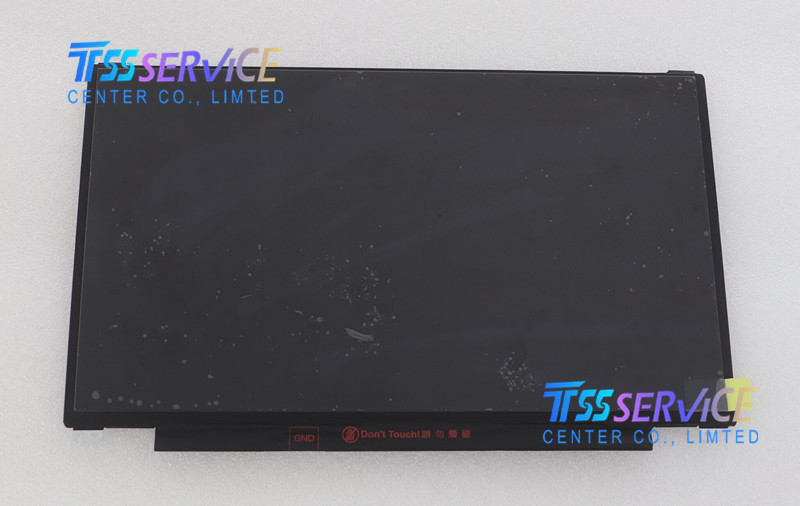
G133HAN02.0 is far more than a 13.3-inch screen; it is a finely tuned electro-optical system engineered for the extremes of industrial use. Its blend of high-luminance output, wide-angle AHVA technology, and a ruggedized mechanical frame directly addresses the pain points of glare, heat, and vibration that plague standard panels. When selecting a display for a project that demands 24/7 reliability, precise color consistency, and standardized LVDS connectivity, this panel offers a proven foundation. The investment in a specific industrial-grade component like the G133HAN02.0 pays dividends through reduced field failures and extended product longevity, making it a strategically sound choice for serious system integrators.


