TG765-MT Touch Digitizer Glass + Protective Overlay Film: Engineering Robustness for Industrial 7" 4-Wire Resistive Touch Panels
TG765-MT Touch Digitizer Glass + Protective Overlay Film: Engineering Robustness for Industrial 7" 4-Wire Resistive Touch Panels
In the demanding world of industrial automation and human-machine interaction, the touch interface is the primary point of contact between the operator and the machine. Reliability, precision, and environmental resilience are non-negotiable parameters. The TG765-MT represents a specialized solution in this domain: a 7-inch 4-wire resistive touch panel that combines a digitizer glass layer with a protective overlay film. This article provides a deep, technical analysis of the TG765-MT, examining its construction, material science, operational advantages, and specific use cases where it outperforms alternative touch technologies.
I. The Core Architecture: Decoding the 4-Wire Resistive Mechanism
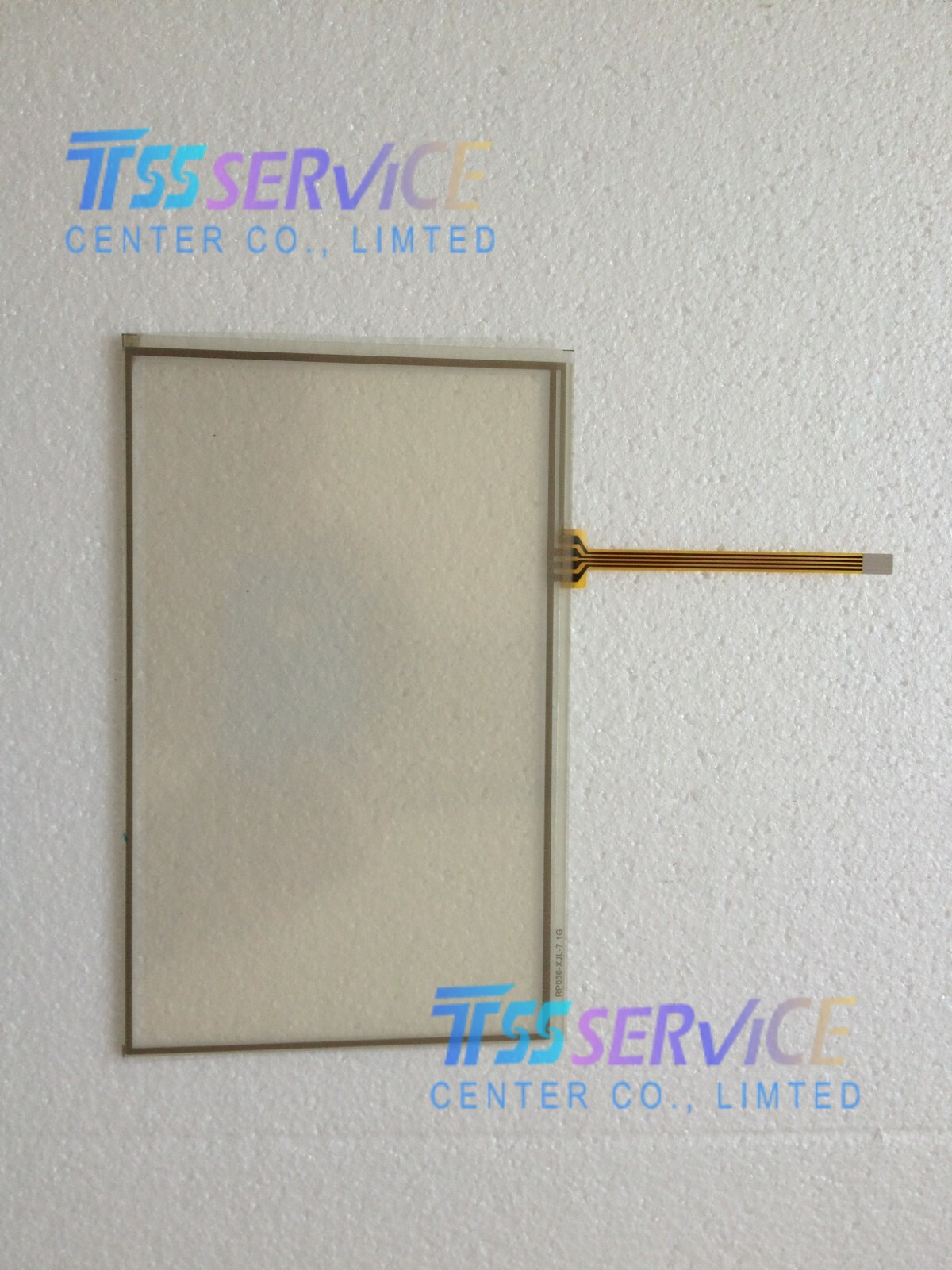
Unlike capacitive touchscreens that rely on the electrical properties of the human body, the 4-wire resistive technology operates on a principle of pressure and physical contact. The TG765-MT's structure consists of two primary conductive layers separated by a grid of micro-dots (spacer dots).
-
The Top Layer (Film): A flexible polyester film coated with a conductive ITO (Indium Tin Oxide) layer. This is the primary contact surface that flexes upon touch.
-
The Bottom Layer (Glass): A rigid glass substrate also coated with ITO. This provides the structural foundation and mechanical stability.
-
Spacer Dots: Microscopic, precisely placed non-conductive dots maintain a gap between the two layers. When no pressure is applied, no electrical contact occurs.
-
Conductive Bus Bars: Silver or carbon-based traces run along the edges of both layers. In a 4-wire system, two wires connect to the top layer (X-axis) and two to the bottom layer (Y-axis).
Operational Logic: When a stylus, gloved finger, or any object presses the top film, it makes contact with the bottom glass layer. A voltage gradient is applied sequentially across the X and Y axes. The controller measures the voltage at the point of contact, allowing the system to calculate the precise X and Y coordinates of the touch event. This pressure-based activation is the key differentiator that dictates the TG765-MT's suitability for specific industrial environments.
II. Material Science: The TG765-MT's Defensive Strategy
The nomenclature "TG765-MT" implies a specific set of material characteristics, notably the Touch Digitizer Glass + Protective Overlay Film combination. This is not a single piece of glass but a composite engineered for dual roles: sensor accuracy and surface protection.
-
The Protective Overlay Film (Top Layer): This is typically a hard-coated polyester (PET) or polycarbonate film. The "protective" attribute is critical. It offers scratch resistance (often rated at 3H or higher pencil hardness) and a degree of chemical resistance. The film's flexibility allows it to "give" under pressure, enabling touch activation, but its thickness is calibrated to balance sensitivity with durability. In environments with airborne particulates, metal shavings, or frequent stylus use, this film acts as a sacrificial layer, absorbing abrasion that would otherwise damage the ITO coating.
-
The Touch Digitizer Glass (Bottom Layer): The glass substrate is more than just a backing. It is usually a chemically strengthened glass (like Gorilla Glass or a similar aluminosilicate variant) or a tempered soda-lime glass. The primary function is dimensional stability. Unlike a plastic-only construction, the TG765-MT's glass base prevents warping due to temperature fluctuations or humidity. The glass also provides the uniform, non-conductive base onto which the bottom ITO layer is sputtered.
-
Optical Bonding (Implication): While not always standard, high-quality implementations of the TG765-MT often use optical bonding to adhere the film/glass stack to the underlying LCD. This eliminates the air gap, increasing contrast and reducing glare from overhead lighting—a critical factor in factory settings.
III. Why Resistive? Performance Advantages in Industrial Scenarios
The choice of a 4-wire resistive panel like the TG765-MT over capacitive is a deliberate one driven by application constraints. Here is where the TG765-MT excels:
-
Unmatched Input Versatility: The panel can be activated by any non-sharp object. This includes thick work gloves (leather, rubber, latex), a gloved finger covered in grease, a screwdriver handle, or a standard stylus. For assembly line workers or field technicians who cannot remove gloves for hygiene or safety reasons, this is a mandatory feature.
-
Contaminant Resistance: Water, oil, dust, and condensation on the surface of a capacitive touchscreen often cause phantom touches or dead zones. The TG765-MT's pressure-based mechanism is immune to these surface contaminants. Splashes of coolant, ink, or food debris do not interfere with its operation.
-
Cost-Effectiveness for 7-Inch Diagonal (7"): At the 7-inch size, resistive technology is highly cost-competitive. The manufacturing processes for 4-wire sensors are mature and yield high reliability. For control panels, medical diagnostic carts, and point-of-sale terminals that do not require multi-touch gestures, the TG765-MT offers a superior price-to-performance ratio.
-
Harsh Environment Reliability: There are no projected capacitive (P-Cap) sensors to fail, no complex integrated circuits on the glass edge. The 4-wire design is inherently simple. The TG765-MT can withstand wide temperature ranges (typically -20°C to +70°C) and high humidity without performance degradation.
IV. Technical Specifications and Integration Considerations
To successfully integrate the TG765-MT, engineers must understand its physical and electrical parameters:
-
Physical Dimensions: The active area of a standard 7-inch panel is typically approximately 152.4 mm x 91.44 mm. The overall dimensions will include a bezel area for mounting. The thickness of the stack (glass + film + adhesive) is typically under 2 mm.
-
Interface: The four wires are generally color-coded (e.g., Y+, X-, Y-, X+). The output is analog, requiring a touch controller IC (often an ADS7843 or similar) to convert the analog voltage levels into digital coordinates. This controller communicates via SPI or I2C to the main processor.
-
Linearization: Industrial-grade panels like the TG765-MT require four-point or five-point calibration during system integration. This compensates for slight non-linearities in the ITO coating and ensures accurate touch registration across the entire screen. The calibration data is usually stored in non-volatile memory on the controller or host system.
-
Durability Ratings: The film surface of a standard resist is rated for approximately 1 million touches on a single point. The TG765-MT's robust construction aims to meet or exceed this standard. The protective overlay adds a user-replaceable element, extending the lifespan of the digitizer glass underneath.
V. Common Applications for the TG765-MT
-
Industrial Control Panels: Programmable Logic Controller (PLC) interfaces, machine tool controls, and assembly line terminals where operators wear gloves and work in dusty or oily conditions.
-
Medical Devices: Infusion pumps, patient monitors, and diagnostic equipment that need to be cleaned with harsh disinfectants and operated with gloved hands.
-
Point-of-Sale (POS) / Kiosks: Self-service kiosks in outdoor or food-service environments where rain or food splatter is common.
-
Portable Handhelds: Rugged tablets or diagnostic tools used in field service, warehousing, or logistics.
-
Food Processing & Agriculture: Equipment controls in wet, washdown environments (IP65-rated enclosures are common) where sealed resistive panels are preferred.
Important Note: For applications requiring multi-touch gestures (pinch-to-zoom, two-finger scroll), a capacitive or dedicated multi-touch resistive solution is necessary. The 4-wire TG765-MT is a single-touch device.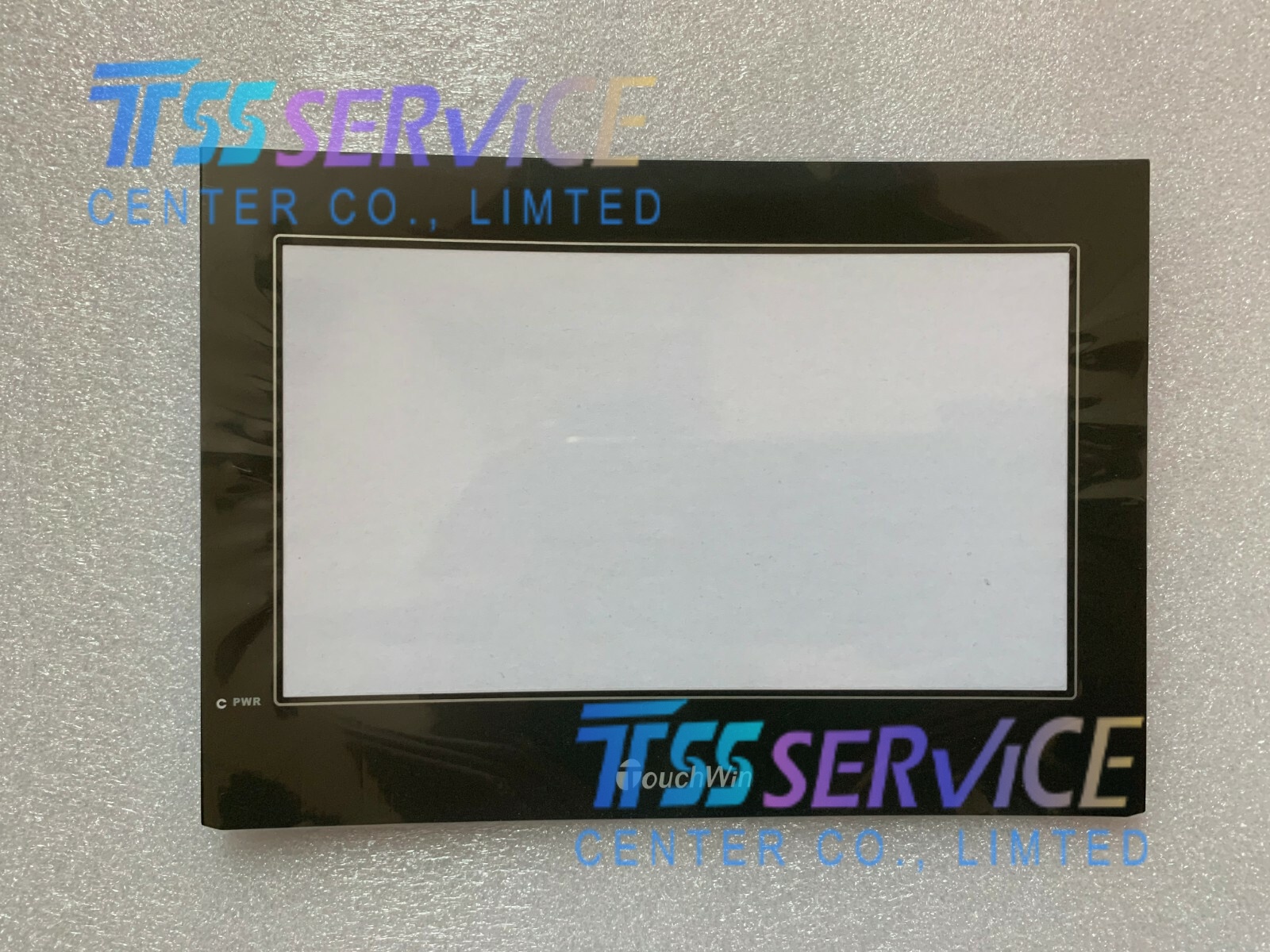
VI. Conclusion: A Purpose-Built Component for Industrial Reliability
The TG765-MT 7" 4-Wire Resistive Touch Panel is not a legacy technology; it is an optimized solution
for a specific set of industrial challenges. Its strength lies not in flashy features but in its fundamental robustness. By combining a durable glass digitizer with a sacrificial protective overlay film, it addresses the core needs of the industrial environment: reliable input under gloved operations, immunity to surface contaminants, and resistance to physical wear. When selecting a touch interface for a 7-inch industrial application where single-touch, gloved interaction, and environmental harshness are primary concerns, the TG765-MT represents a technically sound, cost-effective, and expert-approved choice.


