In the demanding world of industrial automation, medical imaging, and rugged computing, the display panel is far more than a visual output device—it is the critical interface between human operators and complex machinery.
In the demanding world of industrial automation, medical imaging, and rugged computing, the display panel is far more than a visual output device—it is the critical interface between human operators and complex machinery. Any compromise in clarity, durability, or response time can lead to operational inefficiencies or even safety risks. Enter the Innolux 10.4-inch LCD Display Panel G104XCE-LM1, a component engineered specifically for environments where standard consumer-grade screens fail. With a native resolution of 1024x768 (XGA), a high-contrast IPS-like display technology, and a wide operating temperature range, this panel bridges the gap between visibility and endurance. This article delves into the technical architecture of the G104XCE-LM1, exploring its optical performance, mechanical resilience, and application-specific advantages. Whether you are a system integrator or a product manager, understanding the nuances of this panel will help you make an informed choice for your next industrial deployment.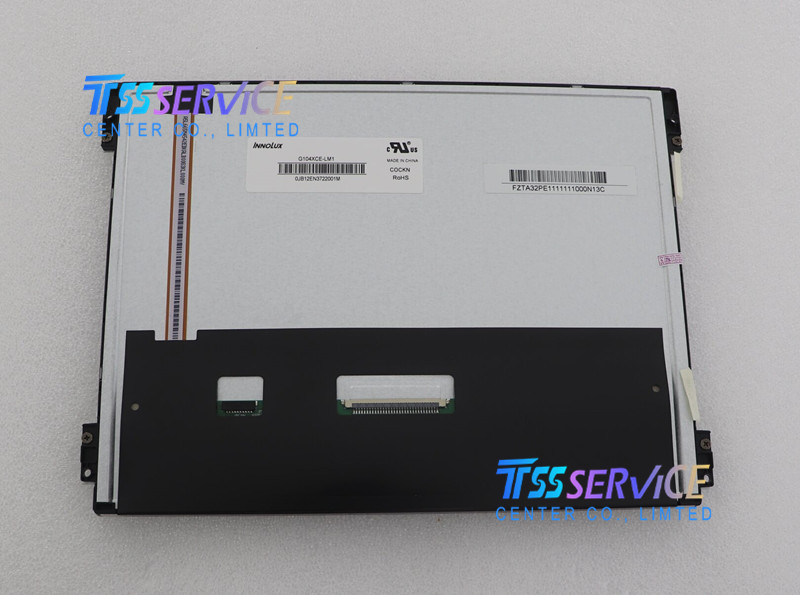
Optical Precision: Beyond Standard Viewing Angles and Brightness
The G104XCE-LM1 is not merely a "10.4-inch screen"; it is a optical engineering masterpiece designed to combat the harsh lighting conditions of industrial floors and outdoor terminals. At its core, this panel adopts a Super In-Plane Switching (IPS) technology, which distinguishes it from legacy TN (Twisted Nematic) panels. The most immediate benefit is the wide 85-degree viewing angle from all directions—top, bottom, left, and right. This ensures that critical data remains legible even when the operator is not positioned directly in front of the screen, a common scenario in control rooms with multiple workstations or in medical carts used at varying angles.
Beyond angles, the brightness rating of 400 cd/m² (typical) is a deliberate specification for high-ambient-light environments. Unlike consumer monitors that often operate at 250–300 cd/m², this panel cuts through glare from overhead factory lights or sunlight near warehouse entrances. Furthermore, the contrast ratio of 1000:1 delivers deep blacks and vibrant whites, which is crucial for distinguishing subtle details in grayscale imaging—think X-ray reviews or low-resolution PLC diagnostic screens. The panel also features an anti-glare treatment (matte surface) with a haze value designed to diffuse reflections without scattering light to the point of reducing sharpness. For applications requiring night vision compatibility or stringent color consistency, the G104XCE-LM1 offers an optional 6-bit + FRC (Frame Rate Control) capability, delivering 16.7 million colors while maintaining stable gamma curves across the entire luminance range.
Mechanical and Thermal Hardiness: Designed for 24/7 Operation
Industrial displays must endure thermal stress, vibration, and continuous power cycles that would degrade consumer electronics within months. The G104XCE-LM1 is built with a wide operating temperature range of -20°C to +70°C, making it suitable for everything from cold storage logistic terminals to hot foundry control panels. This thermal resilience is achieved through a combination of a low-power LED backlight (with a lifespan of 50,000 hours or more) and a robust LCD cell that maintains fluid alignment even under thermal expansion stress.
The mechanical footprint is equally deliberate. With a thickness of only 6.1 mm (excluding connectors) and a weight of approximately 450 grams, this panel is slim enough for embedded designs yet built with a metal bezel structure that resists torsional forces during mounting. The interface uses a standard 20-pin LVDS (Low-Voltage Differential Signaling) connector, which ensures compatibility with a wide range of single-board computers and industrial motherboards. Additionally, the panel is designed to support VESA mounting patterns indirectly via custom brackets, allowing for seamless integration into control cabinets or articulating arms. For integrators, the panel also features a low power consumption profile—under 8 watts typical—which reduces heat generation inside sealed enclosures and extends the life of adjacent components.
Application Versatility: From Medical Diagnostics to Maritime Control
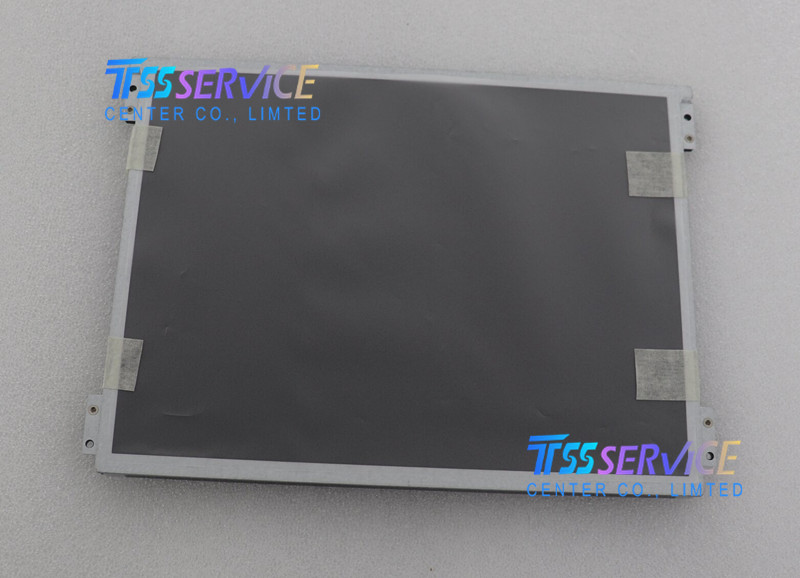
While the G104XCE-LM1 is marketed as an industrial panel, its specifications unlock a diverse range of vertical markets that require both performance and compliance. In the medical sector, the combination of high brightness and wide viewing angles makes it ideal for patient monitoring systems and portable ultrasound machines. The color accuracy, while not reaching medical-grade DICOM standards without calibration, provides a strong baseline for visualizing waveforms and numeric readouts. Importantly, the panel’s low blue-light emission profile (when driven at lower brightness) can reduce eye strain for clinicians scanning displays for hours during surgeries.
For heavy machinery and HMI (Human-Machine Interface) applications, the panel’s anti-glare surface prevents finger smudges from obscuring critical warnings, while the mechanical tolerance against vibration ensures the image remains stable on excavators or forklift consoles. The shipping and logistics industry benefits from the -20°C low-temperature operation, allowing RFID scanning terminals in cold storage to function without preheating cycles. Finally, the panel is increasingly adopted in digital signage for transportation hubs, where passenger-facing information must remain legible whether under direct sunlight on a train platform or under dim tunnel lighting. The consistent gray-scale inversion resistance means that fonts remain crisp even from extreme angles, a critical factor for accessibility and safety messages.
Lifecycle and Supply Chain Considerations for System Integrators
One of the most overlooked yet strategic aspects of choosing an industrial display is its product lifecycle management. The G104XCE-LM1 benefits from Innolux's commitment to long-term production availability, typically spanning 5 to 7 years or more, with an extended last-buy notice period. This is a stark contrast to consumer panels that are discontinued within 18 months, which would force costly re-qualification of entire systems for replacement. The panel also maintains pin-to-pin compatibility with several of Innolux's previous generation models, allowing OEMs to upgrade optical performance without re-engineering their frame or cabling harness.
From a supply chain perspective, the 20-pin LVDS interface remains one of the most universally supported connections in the industrial single-board computer ecosystem. This reduces the risk of component obsolescence if a specific processor board goes end-of-life. Additionally, the panel is available through multiple global distribution channels with standard packaging that meets electrostatic discharge (ESD) safety requirements. For critical applications like defense or aerospace, Innolux can provide extended temperature testing (beyond the standard range) and optical binning reports on request. Integrators should also note that this panel supports auto-dimming via PWM control, which can be integrated with external ambient light sensors to further reduce power consumption and extend backlight life in variable lighting conditions. Choosing this panel is not just a technical decision—it is a strategic move to minimize long-term maintenance costs and redesign cycles.
The G104XCE-LM1 stands as a testament to how thoughtful engineering can elevate a standard size into a mission-critical component. By combining a wide viewing angle, thermal resilience, and a rugged mechanical design, it addresses the core needs of industrial, medical, and logistical applications without adding unnecessary complexity. For system integrators, the long lifecycle and universal interface mean lower total cost of ownership, while operators benefit from reduced eye strain and consistent readability under any lighting. Whether you are upgrading an existing HMI station or designing a new portable diagnostic tool, this panel offers the balance of optical fidelity and durability that sets the benchmark for 10.4-inch industrial displays. In a landscape where uptime is currency, investing in a panel that delivers stability is not just a choice—it is a necessity.


