In the demanding world of industrial technology, the choice of a display panel is far more than a simple specification check. It is a critical decision impacting system reliability, longevity, and performance under often harsh conditions.
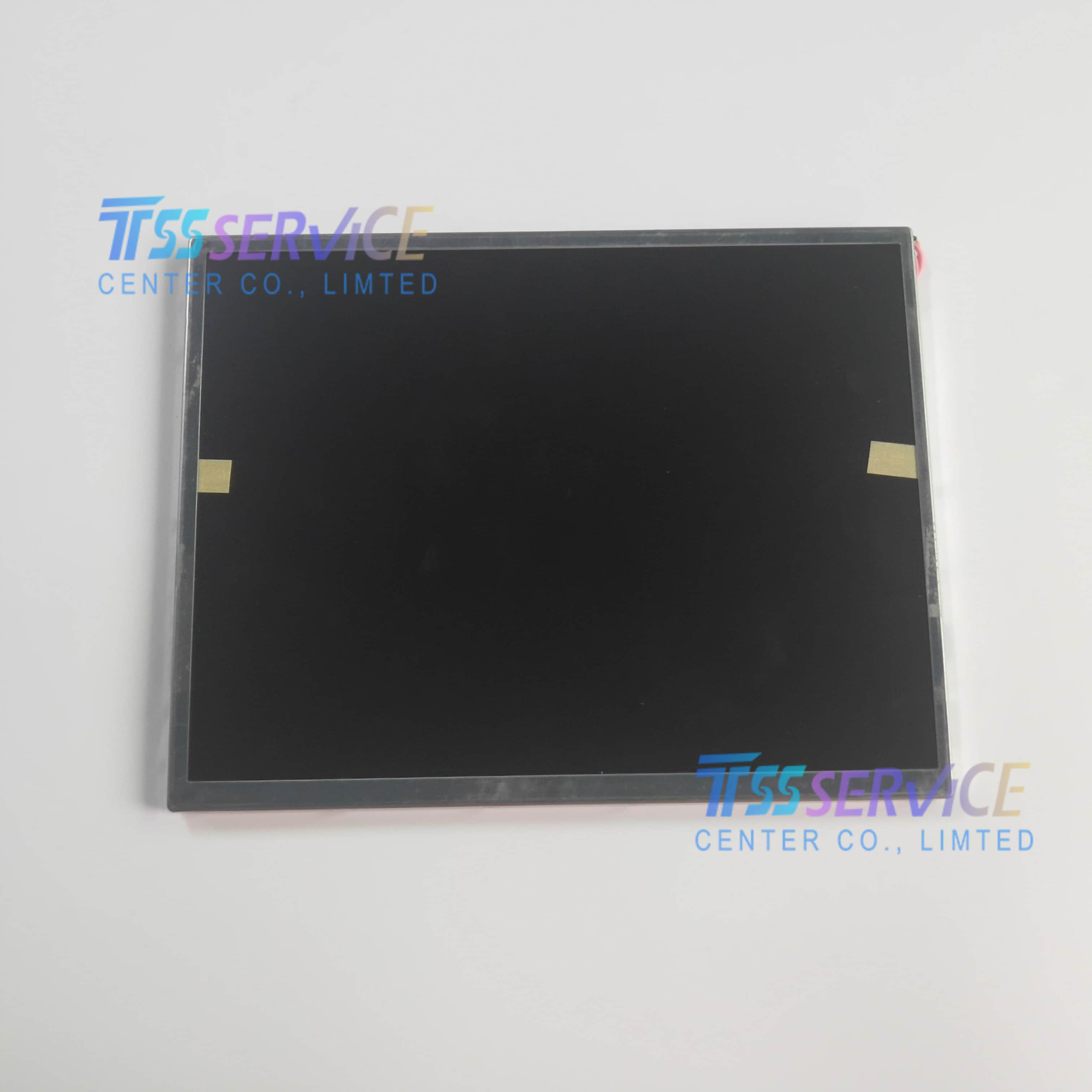
In the demanding world of industrial technology, the choice of a display panel is far more than a simple specification check. It is a critical decision impacting system reliability, longevity, and performance under often harsh conditions. This article delves into the Innolux G104V1-T03, a 10.4-inch LCD panel with a 640x480 (VGA) resolution, engineered specifically for industrial applications. We will move beyond basic datasheet parameters to explore the unique value proposition this panel offers.
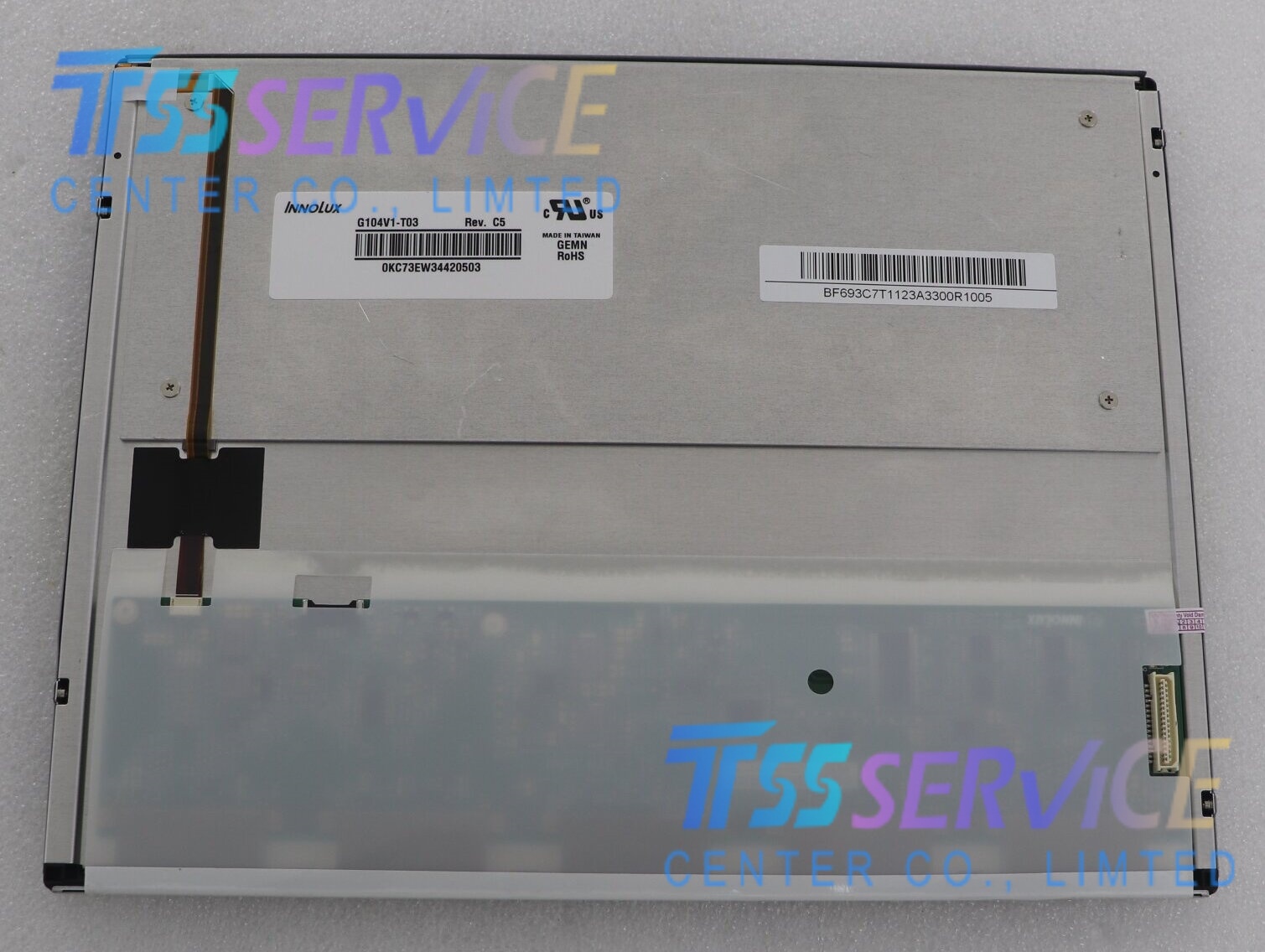
Our analysis will uncover how its design philosophy addresses core industrial challenges, from environmental resilience to signal integrity and long-term supply. Understanding the why behind its features is essential for engineers and procurement specialists seeking a component that ensures operational stability and reduces total cost of ownership in automation, medical, transportation, and human-machine interface (HMI) systems.
Engineering for Environmental and Operational Resilience
The defining characteristic of industrial-grade components is their unwavering performance in non-ideal environments. The Innolux G104V1-T03 is built with this fundamental principle at its core. Unlike commercial displays, it is designed to withstand significant temperature fluctuations, typically operating reliably from -30°C to +80°C. This wide range ensures functionality in unheated warehouses, near industrial machinery, or in sun-exposed outdoor enclosures.
Beyond temperature, the panel's construction resists the ingress of dust and moisture, while its robust design mitigates the effects of constant vibration and shock—common in factory or vehicular settings. The backlight system, often a point of failure, is rated for a long lifespan (commonly 50,000 hours or more) to minimize maintenance downtime. This resilience translates directly to system uptime and reliability, making it a prudent choice for applications where failure is not an option and service interruptions are costly.
The Strategic Advantage of a Mature VGA Resolution
In an era of 4K and ultra-high-definition displays, the 640x480 (VGA) resolution of the G104V1-T03 might seem anachronistic. However, in the industrial context, this represents a strategic and intelligent design choice. VGA is a mature, universally supported standard. This simplifies integration with a vast array of legacy and modern industrial control systems, programmable logic controllers (PLCs), and single-board computers (SBCs) without requiring complex signal conversion or scaling.
The lower pixel count reduces the processing power and bandwidth required from the host controller, allowing for simpler, more cost-effective system architecture. For many HMI applications, the resolution is perfectly adequate for displaying critical data, schematic diagrams, control buttons, and status indicators with clarity. This focus on practical sufficiency over maximum pixel density results in a robust, power-efficient, and highly compatible solution that prioritizes functional reliability over purely visual specifications.
Interface Stability and Long-Term Supply Commitment
Connectivity is the lifeline of any display module. The Innolux G104V1-T03 typically features a Low-Voltage Differential Signaling (LVDS) interface. LVDS is the industry-preferred standard for industrial panels due to its superior noise immunity. By transmitting signals as the voltage difference between two wires, it effectively rejects common-mode electrical noise prevalent in industrial environments filled with motors, relays, and power cables. This ensures a stable, crisp image free from flicker or distortion, which is crucial for operator accuracy and safety.
Equally important for industrial design is the long-term availability of components. Industrial product lifecycles span years or decades, unlike the rapid refresh cycles of consumer electronics. Innolux, as a major manufacturer, typically provides extended lifecycle support for such industrial panels, guaranteeing supply and consistency for the lifespan of the OEM's end product. This mitigates the massive risk and cost associated with mid-design or post-production component obsolescence.
Integration Considerations and Application Landscapes
Successfully deploying the G104V1-T03 requires careful attention to integration specifics. Designers must account for its mechanical dimensions, mounting hole patterns, and bezel requirements. The electrical design must provide a clean power supply and correctly implement the LVDS interface protocol, matching the pinout and timing requirements. Furthermore, managing the backlight illumination—often a CCFL or high-life LED array—requires an appropriate inverter or driver circuit to achieve optimal brightness and uniformity.
This panel finds its ideal home in numerous demanding sectors:
-
Industrial Automation: Machine control panels, PLC operator interfaces, and test equipment displays.
-
Medical Devices: Patient monitoring systems and diagnostic equipment where reliability is paramount.
-
Transportation: In-vehicle infotainment or control systems for trains, trucks, or agricultural vehicles.
-
Point-of-Sale & Kiosks: Robust self-service terminals in public environments.
In each case, the panel serves as the durable, dependable window into the system's core functions.
The Innolux G104V1-T03 10.4-inch LCD panel exemplifies the principle that industrial components are defined by context, not just specs. Its value lies in its environmental ruggedness, the strategic simplicity of VGA resolution, the signal integrity of LVDS, and the promise of long-term supply. Selecting this display is not a compromise but a targeted decision for engineers prioritizing system durability, integration stability, and total cost of ownership. It stands as a reliable workhorse, engineered to perform consistently where it matters most—in the challenging real-world conditions of industrial applications.


