In the intricate world of industrial and embedded display solutions, selecting the right LCD panel is a critical decision that impacts product performance, user experience, and long-term reliability. This article provides a comprehensive, in-depth analysis of the
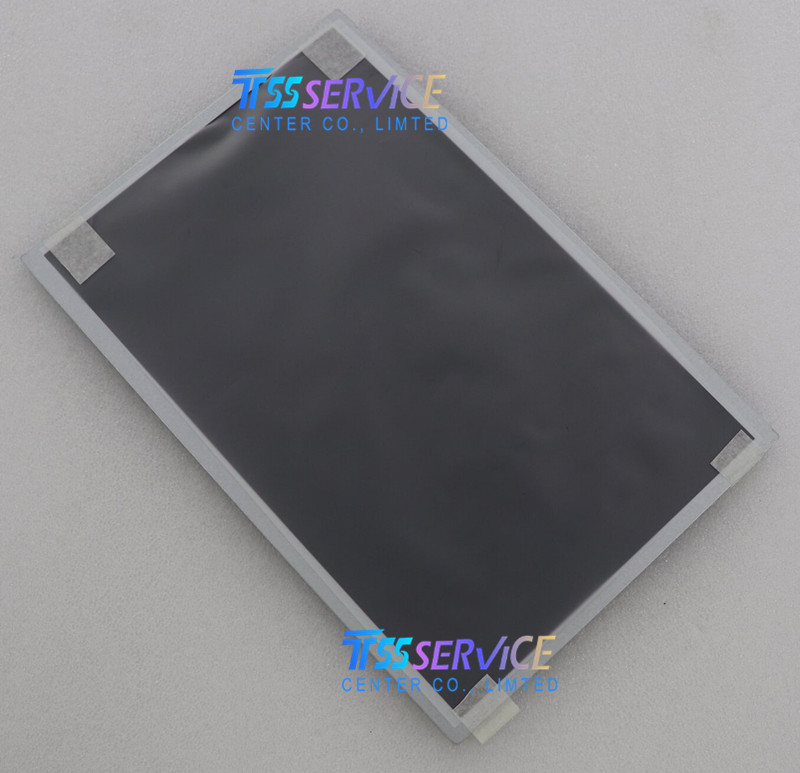
Innolux G121ICE-L02,
a 12.1-inch LCD panel with a 1280x800 (WXGA) resolution. We will move beyond basic specifications to explore the engineering rationale behind its design, its suitability for demanding applications, and the tangible value it delivers to engineers and product developers. Our focus is to equip you with the insights needed to determine if this panel is the optimal component for your next-generation project in fields such as industrial human-machine interfaces (HMIs), medical devices, transportation systems, and point-of-sale terminals.
Decoding the Core Specifications: A Foundation for Robust Performance
The Innolux G121ICE-L02 is built upon a foundation of carefully chosen specifications that define its core capabilities. The
12.1-inch diagonal and
1280x800 WXGA resolution offer a balanced sweet spot: sufficient screen real estate for complex data visualization and control interfaces, while maintaining a compact form factor crucial for embedded designs. The 16:10 aspect ratio provides a slight vertical advantage over the more common 16:9, beneficial for viewing documents or stacked software menus.
More than just size and pixels, the panel's In-Plane Switching (IPS) technology is a cornerstone of its value proposition. IPS delivers consistent, accurate colors and exceptional 178-degree wide viewing angles from all directions. This is not merely a convenience feature; in industrial or medical settings where operators may view the screen from off-angles, color and contrast stability are non-negotiable for preventing misinterpretation of critical information. The standard 500 nits of brightness ensures clear visibility in moderately lit environments, forming a reliable baseline for various operational conditions.
Engineering for Demanding Environments: Durability and Interface
The true differentiation of the
G121ICE-L02 becomes apparent when examining its construction and integration features. This panel is engineered not for consumer-grade delicacy, but for the rigors of
24/7 operation in challenging environments. Its robust design accounts for factors like extended temperature ranges, vibration, and electromagnetic interference commonly encountered in factory floors, vehicles, or medical carts.
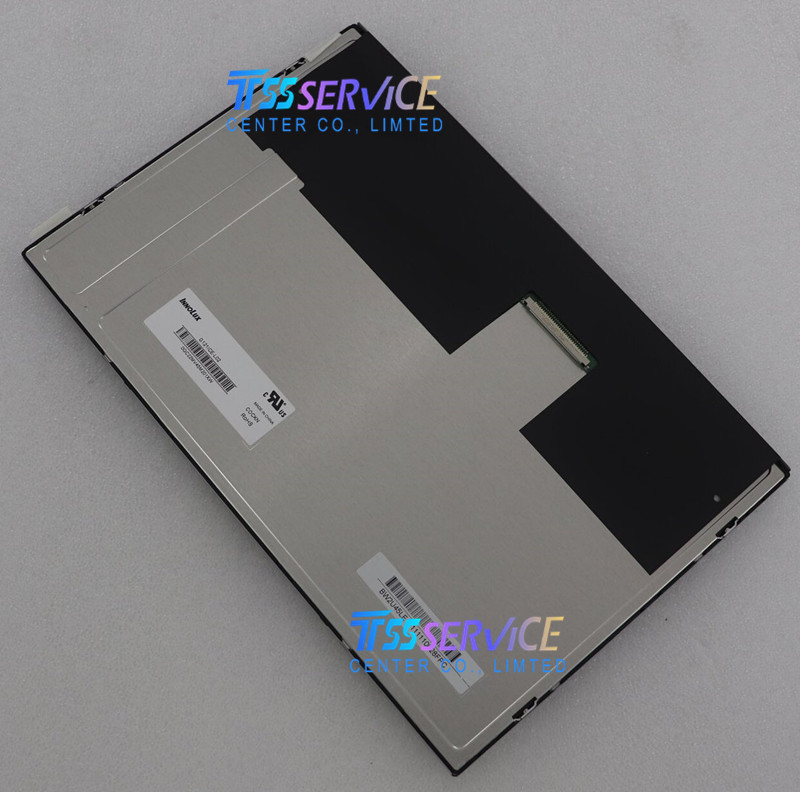
A key aspect of its durability is the LED backlight system, which offers superior longevity, lower power consumption, and a more consistent luminance profile compared to older CCFL technology. From an integration standpoint, the panel features a standard LVDS (Low-Voltage Differential Signaling) interface. LVDS remains a prevalent and reliable choice in industrial applications due to its robustness against noise, which is essential for maintaining signal integrity over longer cable runs or in electrically noisy surroundings. This combination of physical resilience and a stable, mature interface significantly reduces long-term failure risks and simplifies the design-in process for engineers.
Strategic Application Analysis: Where This Panel Excels
Understanding the "where" is as important as the "what." The G121ICE-L02's profile makes it a strategic fit for specific vertical markets. In Industrial Automation and HMI, its wide viewing angles, sunlight-readable brightness options (often available as a variant), and ruggedness are perfect for control panels on machinery, where clarity and reliability are paramount for safety and efficiency.
Similarly, in Medical and Healthcare equipment—such as patient monitors, diagnostic devices, or mobile nursing stations—the panel's color accuracy, reliability for continuous operation, and easy sanitization potential of its surface are critical assets. It also finds a strong niche in Transportation and Fleet Management systems (e.g., in-vehicle infotainment or control units) and Kiosks & Point-of-Sale systems, where its balance of size, resolution, and durability supports both user interaction and long-term, unattended operation. For consumer electronics or applications requiring ultra-slim bezels or cutting-edge touch technology, other panels may be more suitable, highlighting this model's specialized industrial focus.
Integration Considerations and the Total Cost of Ownership
Selecting this panel necessitates a holistic view of integration and lifecycle costs. Engineers must account for the need for a compatible LCD controller board to drive the LVDS signal, which adds to the Bill of Materials (BOM) but offers design flexibility. Power sequencing and thermal management, though straightforward for this mature technology, remain essential design checks to ensure longevity.
The concept of Total Cost of Ownership (TCO) is crucial here. While the initial unit price is a factor, the G121ICE-L02's value is amplified by its proven reliability, long-term availability typical of industrial-grade components, and reduced risk of field failures. Choosing a panel with an inadequate viewing angle or brightness for its environment can lead to costly product returns, redesigns, or brand damage. Therefore, this panel represents not just a component cost, but an investment in product stability and reduced lifecycle risk, which often outweighs a marginally lower upfront price from a less capable alternative.
In conclusion,
the Innolux G121ICE-L02 12.1-inch LCD panel stands as a purpose-built solution for professional and industrial applications where reliability, visual performance under diverse conditions, and long-term durability are essential. Its WXGA resolution on an IPS platform provides a versatile visual canvas, while its rugged construction and LVDS interface ensure stable integration into demanding systems. By aligning its strengths with the requirements of HMIs, medical devices, and transportation systems, developers can leverage this panel to build products that are not only functional but also trustworthy. Ultimately, its value proposition lies in mitigating risk and ensuring consistent performance throughout the product's operational life.


