In the intricate world of electronic components, the display often serves as the critical interface between a device and its user. For engineers and procurement specialists sourcing screens for industrial, medical, or rugged handheld equipment, the specifications on a datasheet tell a story of capability
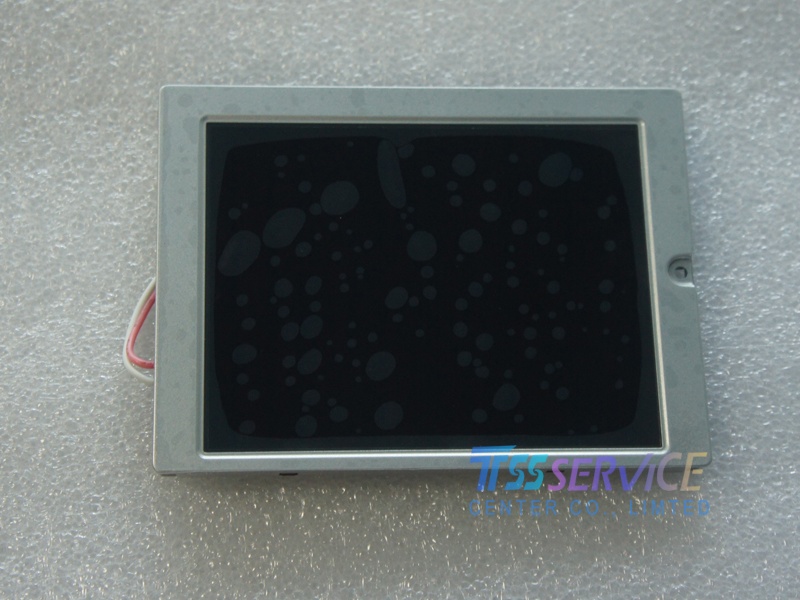
In the intricate world of electronic components, the display often serves as the critical interface between a device and its user. For engineers and procurement specialists sourcing screens for industrial, medical, or rugged handheld equipment, the specifications on a datasheet tell a story of capability, reliability, and intended application. This article delves deep into one such component: the 4.7" 320x240 Kyocera LCD screen, model KCG047QV1AA-A21.

Beyond its basic dimensions and resolution, this display module represents a specific engineering choice in a landscape dominated by high-resolution alternatives. We will explore not just its technical attributes, but the strategic rationale behind its design. By examining its core technology, inherent strengths, ideal application ecosystems, and key integration considerations, we aim to provide a comprehensive understanding of where and why this particular screen excels, offering valuable insights for product development and sourcing decisions.
Unpacking the Technology: A Deep Dive into TFT and Resolution
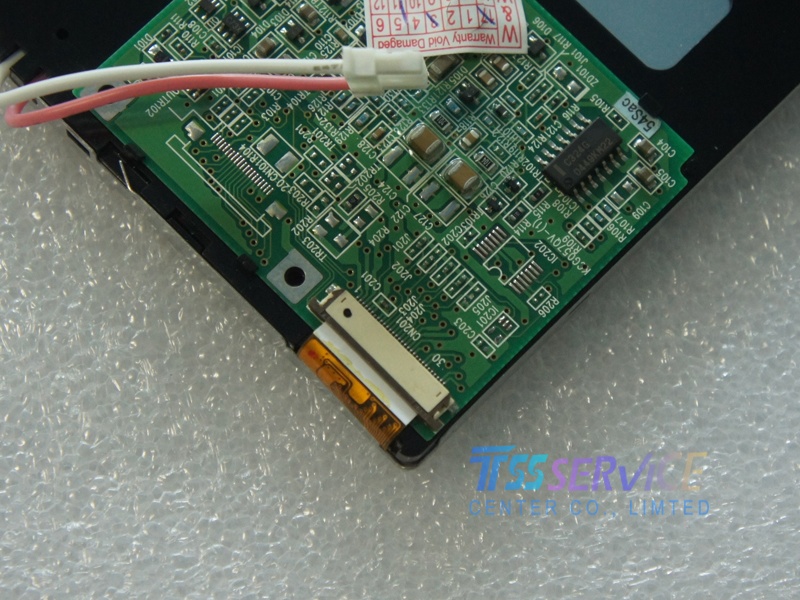
The Kyocera KCG047QV1AA-A21 is built around an a-Si (amorphous Silicon) TFT (Thin-Film Transistor) LCD panel. This mature and robust technology is the workhorse of the industrial display world. Unlike simpler passive matrix displays, each pixel in this 4.7-inch screen is controlled by its own transistor, leading to faster response times, superior contrast, and wider viewing angles—essential for devices that may be viewed from off-angles or in varying lighting conditions.
The 320 x 240 pixel resolution, often referred to as Quarter VGA (QVGA), is a defining characteristic. In an era of 4K screens, this might seem modest. However, this density results in large, easily discernible pixels, which is a significant advantage in its target markets. It ensures exceptional legibility for critical data, status indicators, and user interface elements without straining the user's eyes. Furthermore, this lower resolution places dramatically less computational load on the device's main processor and graphics system compared to HD screens, leading to lower power consumption and reduced system cost, which are paramount in battery-operated or cost-sensitive embedded designs.
The Strategic Advantages: Ruggedness, Readability, and Power Efficiency
The value proposition of this Kyocera display extends far beyond its basic specs. Its primary advantages are tactical, aligning perfectly with demanding operational environments. First is ruggedness and reliability. Designed for industrial-grade applications, the module can typically operate over a wide temperature range and withstand higher levels of shock and vibration than commercial-grade screens, ensuring longevity in harsh settings.
Second is optimized readability. The combination of QVGA resolution and a high-quality TFT panel often includes a strong backlight and effective anti-glare treatments. This translates to clear visibility in both dimly lit factories and under direct sunlight, a challenge where many high-resolution, glossy screens fail. Third, and critically, is power efficiency. The lower pixel count and efficient LED backlighting result in a lower total power draw. This directly extends battery life in portable devices and reduces thermal output in enclosed systems, contributing to overall product reliability and user satisfaction.
Ideal Application Ecosystems: Where This Screen Excels
Understanding a component's ideal habitat is key to proper selection. The KCG047QV1AA-A21 is not designed for consumer smartphones or multimedia tablets. Instead, it finds its purpose in specialized, value-driven vertical markets. A primary domain is industrial handheld terminals and scanners, used in logistics, warehouse management, and field service. Here, durability, sunlight readability, and all-day battery life are non-negotiable.
It is equally suited for medical monitoring devices, such as portable patient monitors or diagnostic equipment, where clear, unambiguous presentation of numerical data and waveforms is crucial. Other key applications include:
-
Test and Measurement Equipment: Where screen real estate is needed for controls and data, not high-definition graphics.
-
Human-Machine Interfaces (HMIs) for Compact Machinery: Providing reliable control and status feedback in manufacturing.
-
Ruggedized Consumer Devices: Such as GPS units for hiking or marine use, where environmental resistance is key.
In these contexts, the screen is a perfect match for system-on-chip (SoC) platforms common in embedded design, simplifying driver development and integration.
Critical Integration and Sourcing Considerations
Selecting this display is only the first step; successful integration is paramount. Engineers must pay close attention to the interface specifications (typically a parallel RGB or LVDS interface), power supply sequencing requirements, and mechanical mounting details outlined in the datasheet. The optical bonding of the cover glass, if specified, is crucial for enhancing durability and optical performance.
From a sourcing perspective, the Kyocera brand signifies a supply chain known for quality and consistency, which is vital for products with long lifecycles. When evaluating alternatives or planning for long-term production, considerations include:
-
Second-Source Availability: Identifying compatible alternative modules to mitigate supply risk.
-
Longevity of Supply: Industrial displays often have longer production life spans than consumer parts.
-
Total Cost of Ownership: Factoring in not just unit price, but the reduced complexity in power design, processing, and potential field failures.
Thorough evaluation of these factors ensures the display becomes a reliable asset, not a project risk.
The Kyocera KCG047QV1AA-A21 4.7-inch QVGA display exemplifies the principle that the optimal technical choice is not always the one with the highest specifications, but the one that most precisely aligns with the product's operational demands and constraints. Its strength lies in its deliberate design for clarity, endurance, and efficiency within rugged embedded systems. For product developers in industrial, medical, and specialized portable device markets, understanding and leveraging these targeted advantages can lead to more robust, user-friendly, and commercially successful products. In a world chasing pixel density, this module stands as a testament to the enduring value of purpose-built engineering.


