In an era where the vehicle interior is transforming into a "third living space," the humble dashboard is undergoing a radical reinvention. At the forefront of this revolution is a strategic alliance between two Japanese industrial powerhouses: Kyocera Corporation and Toyota Motor Corporation. Their collaborative mission is to pioneer the next generation of flexible automotive displays, moving beyond the flat, rigid screens prevalent today.
In an era where the vehicle interior is transforming into a "third living space," the humble dashboard is undergoing a radical reinvention. At the forefront of this revolution is a strategic alliance between two Japanese industrial powerhouses: Kyocera Corporation and Toyota Motor Corporation. Their collaborative mission is to pioneer the next generation of flexible automotive displays, moving beyond the flat, rigid screens prevalent today.
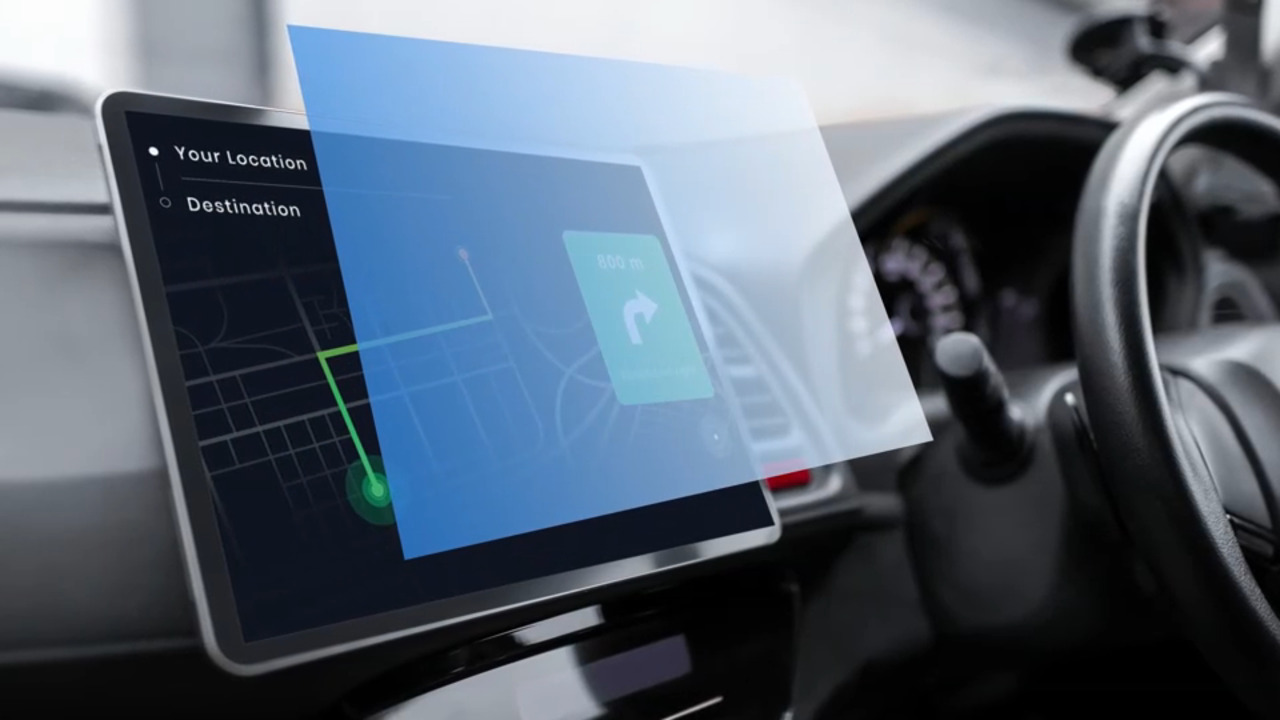
This partnership is not merely a supplier agreement but a deep technological co-creation. It promises to deliver displays that are not only more durable and versatile but also seamlessly integrated into futuristic cabin designs. This article delves into the synergy behind this collaboration, explores the transformative potential of the flexible display technology they are developing, and examines the profound implications it holds for the future of mobility, user experience, and automotive design philosophy.
The Strategic Synergy: Why Kyocera and Toyota Are Ideal Partners
The collaboration between Kyocera and Toyota is a textbook example of complementary strengths converging on a shared vision. Kyocera brings to the table decades of expertise in advanced fine ceramics and components. This material science prowess is critical for developing substrates and encapsulation layers that allow displays to be thin, lightweight, and incredibly resilient to the harsh automotive environment—withstanding constant vibration, extreme temperature fluctuations, and potential impacts.
Toyota, on the other hand, contributes its unparalleled mastery in automotive integration, safety standards, and human-machine interface (HMI) design. They understand the rigorous requirements for in-vehicle electronics, from functional safety (ASIL) to decades-long operational life. Furthermore, Toyota’s vision for the "connected cabin" of the future provides the essential use-case framework. This synergy ensures the technology is not developed in a vacuum but is purpose-built from the ground up to meet the exacting demands of next-generation vehicles, ensuring reliability, usability, and aesthetic harmony.
Beyond the Flat Screen: The Technology and Its Transformative Potential
The core innovation lies in moving from rigid glass substrates to flexible alternatives, likely utilizing advanced plastics or ultra-thin glass. This fundamental shift unlocks a new paradigm for interior design. Displays can now be curved to follow the natural contours of the dashboard or door panels, creating a more immersive and ergonomic experience. They can be developed in unconventional shapes—long, slender strips for ambient lighting and information, or larger, wraparound surfaces that blend into the cabin architecture.
The benefits extend far beyond aesthetics. Flexibility inherently contributes to enhanced durability, as a pliable display can absorb energy that would shatter a rigid one. This improves safety and longevity. Moreover, this technology enables the creation of retractable or stowable displays, clearing the dashboard for a minimalist, decluttered look when not in use. It also opens doors for displays on pillars, sun visors, or even headliners, providing critical information without the driver shifting gaze far from the road. The result is a more intuitive, safer, and visually cohesive cockpit environment.
Redefining the Cockpit: Implications for UX and Automotive Design
The advent of truly flexible displays will fundamentally alter the philosophy of automotive interior design and user interaction. Designers are liberated from the constraint of rectangular cut-outs for screens, allowing for more organic, flowing surfaces where digital and physical elements merge seamlessly. This enables a shift from a cluster of separate screens to a unified, continuous digital canvas that can contextually present information, adapting to driving mode, passenger presence, or user preference.
From a User Experience (UX) perspective, this allows for more intuitive and spatial HMI designs. Vital driving data can be presented on a curved surface directly in the driver’s sightline, while entertainment or comfort controls can flow onto a passenger-side display. The physical form factor of the display itself can become an interactive element. Ultimately, this technology is a key enabler for the software-defined vehicle, providing the dynamic, reconfigurable hardware needed to support over-the-air updates and personalized digital ecosystems, turning the cabin into a truly adaptive and intelligent space.
The Kyocera-Toyota partnership represents a significant leap toward the dynamic, human-centric cockpits of the future. By marrying Kyocera’s material science excellence with Toyota’s automotive integration mastery, they are not just creating a new type of screen but a foundational technology for interior innovation. Flexible displays will catalyze a shift from static dashboards to adaptive living spaces, enhancing safety, aesthetics, and personalization. As this collaboration progresses, it promises to set a new industry standard, proving that the future of automotive interaction is not just digital, but beautifully and intelligently fluid.


