In the demanding world of industrial technology, the display panel is far more than a simple window for data; it is the critical interface between complex machinery and human operators. Selecting the right display is a decision that impacts system reliability, operational clarity, and long-term total cost of ownership.
In the demanding world of industrial technology, the display panel is far more than a simple window for data; it is the critical interface between complex machinery and human operators. Selecting the right display is a decision that impacts system reliability, operational clarity, and long-term total cost of ownership. This article provides an in-depth exploration of the Kyocera 10.4-inch TCG104SVLDAANN-AN20 LCD panel, a component engineered specifically for harsh industrial environments. We will move beyond basic specifications to analyze how its core technologies translate into tangible performance benefits, examining its design philosophy, technical advantages, ideal application scenarios, and the strategic value it offers to engineers and system integrators.
Engineered for Resilience: The Industrial-Grade Design Philosophy
The Kyocera TCG104SVLDAANN-AN20 is conceived from the ground up to defy the challenges that cripple standard commercial displays. Its fundamental design philosophy centers on resilience and longevity. Unlike consumer-grade panels, this display incorporates a robust metal frame and strengthened glass substrate to withstand significant shock and vibration, common in manufacturing floors, transportation, and field deployments. The panel's operating temperature range is notably wide, ensuring stable performance in both freezing cold and scorching hot environments where thermal stress would cause lesser displays to fail or exhibit image lag.
Furthermore, the optical bonding technology used in this model is a critical differentiator. The process eliminates the air gap between the LCD cell and the cover glass. This not only enhances mechanical stability but also drastically reduces internal condensation, minimizes glare from ambient light, and improves optical clarity and readability from wider viewing angles. This bonded construction is a direct response to real-world industrial problems like wash-downs, dust ingress, and high-humidity conditions, making the panel suitable for NEMA-rated enclosures and hygienic-sensitive applications.
Decoding the Technical Advantages: Sunlight Readability and Signal Integrity
At the heart of this panel's superior performance are two key technical features: a high-brightness LED backlight and a low-temperature polysilicon (LTPS) TFT LCD. The panel boasts a luminosity of 1000 nits, a specification that is essential for sunlight readability. In outdoor or brightly lit indoor settings, this intense brightness overpowers ambient light, ensuring that critical data, graphs, and interface elements remain clearly visible without the need for operators to seek shade or cup their hands around the screen.
The LTPS technology offers a denser and more efficient transistor structure compared to traditional amorphous silicon (a-Si). This translates into several operational benefits: higher resolution and image quality on the 10.4-inch SVGA (800 x 600) canvas, faster response times for dynamic content, and significantly lower power consumption. Additionally, LTPS panels generate less electromagnetic interference (EMI), a crucial factor for maintaining signal integrity in sensitive industrial control systems where multiple electronic devices operate in close proximity. This combination of high brightness and advanced TFT technology creates a display that is both visually uncompromising and electronically considerate of its ecosystem
.
Strategic Application Scenarios: Where This Panel Excels
The specific attributes of the Kyocera TCG104SVLDAANN-AN20 make it a strategic fit for several high-stakes industrial sectors. Its robustness and readability position it as an ideal candidate for Human-Machine Interface (HMI) terminals on factory automation lines, CNC machinery, and robotic control stations, where uptime and clear instruction delivery are paramount. In the transportation and logistics field, it serves perfectly in fleet management systems, onboard vehicle diagnostics, and ruggedized portable devices for warehouse management, enduring constant movement and variable temperatures.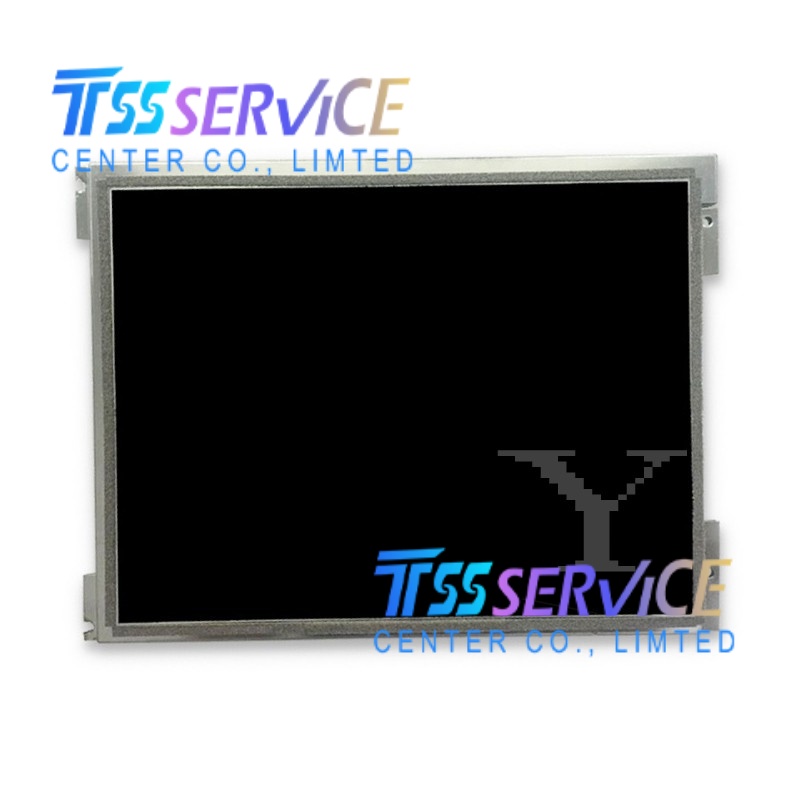
Another key application area is in outdoor infrastructure and utility systems. Think of electric vehicle charging stations, solar farm monitoring units, or public information kiosks—all environments exposed to the elements and requiring 24/7 reliability. The panel's wide-temperature operation and optical bonding also make it a preferred choice for medical and laboratory equipment, food processing interfaces, and other settings where cleaning and sterilization are routine. By solving environmental challenges, this display enables technology to function reliably at the critical edge of operations.
Beyond the Unit Cost: Evaluating Total Cost of Ownership
For procurement specialists and system designers, the initial price of a component is only one part of the financial equation. The true value of an industrial-grade display like the Kyocera TCG104SVLDAANN-AN20 is revealed in its Total Cost of Ownership (TCO). A commercial panel failing prematurely in a harsh environment incurs direct replacement costs, production downtime, and potential safety risks. This Kyocera panel, with its extended lifespan and high Mean Time Between Failures (MTBF), is an investment in operational continuity.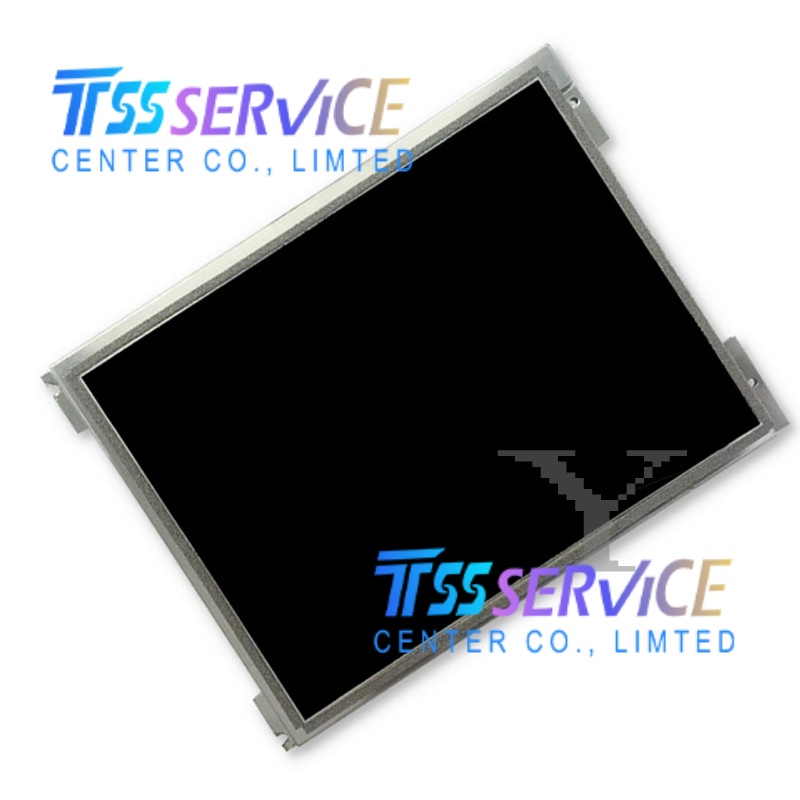
Its energy-efficient LTPS design reduces ongoing power consumption, a factor magnified in large-scale deployments. The elimination of air gaps through optical bonding prevents internal contamination and fogging, which are common failure points that lead to costly service calls or replacements. Furthermore, its standard form factor and reliable supply chain from a trusted manufacturer like Kyocera reduce long-term sourcing risks. When these factors are aggregated—longevity, reliability, reduced maintenance, and energy savings—the TCO argument for this specialized industrial panel becomes compelling compared to the false economy of a commercial-grade alternative.
In conclusion, the Kyocera 10.4-inch TCG104SVLDAANN-AN20 LCD panel represents a sophisticated synthesis of rugged engineering and advanced display technology, purpose-built to meet the rigorous demands of industrial applications. Its value proposition extends far beyond basic imagery, offering critical advantages in readability, durability, and system integrity. By understanding its design principles, technical strengths, and ideal use cases, engineers and integrators can make informed decisions that prioritize long-term system reliability and lower total cost of ownership. Ultimately, selecting this display is not just about choosing a component; it is about investing in a dependable interface that ensures seamless and resilient human-machine interaction at the heart of industrial operations.


