In an era where display technology often prioritizes high-resolution retina screens and vibrant color gamuts for consumer devices, a distinct class of displays operates quietly in the background, powering critical systems in manufacturing, medical, and public infrastructure.
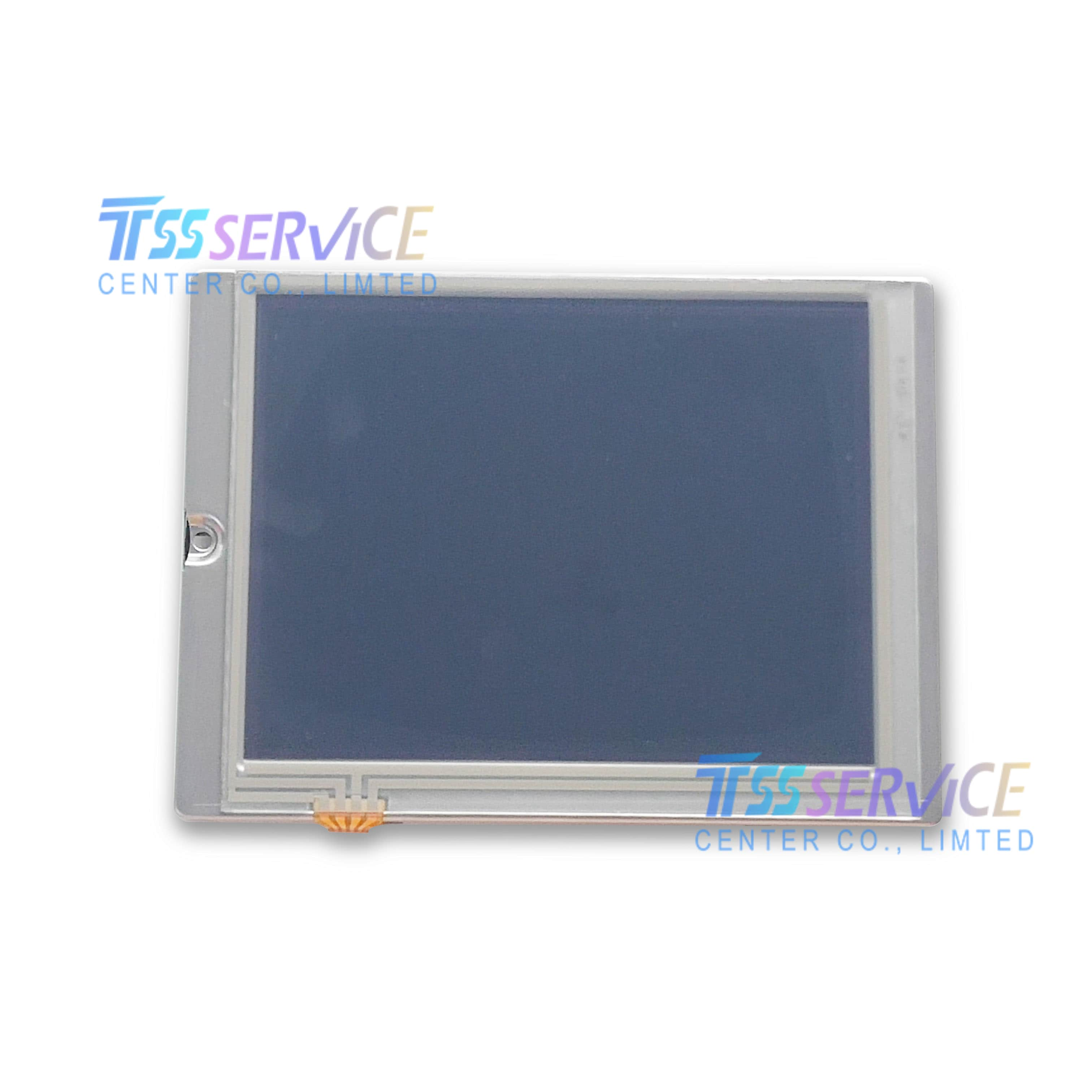
In an era where display technology often prioritizes high-resolution retina screens and vibrant color gamuts for consumer devices, a distinct class of displays operates quietly in the background, powering critical systems in manufacturing, medical, and public infrastructure. The KCG047QV1AE-G00, a 4.7-inch LCD panel from Kyocera, represents this specialized category. With a resolution of 320x240 pixels (QVGA), it does not compete with modern smartphones; instead, it excels in environments where reliability, sunlight readability, and precise viewing angles are paramount. This article delves into the technical architecture, environmental resilience, and application-specific advantages of this panel. By examining its optical performance, interface design, and construction materials, we will explore why this seemingly modest display continues to be a preferred choice for engineers designing equipment that must endure harsh conditions. Understanding the KCG047QV1AE-G00 is crucial for procurement specialists and system integrators who demand longevity and stability over flashy features.
The Optical DNA: Balancing Clarity with Power Efficiency
The KCG047QV1AE-G00 employs a STN (Super Twisted Nematic) LCD technology, a mature but highly effective solution for industrial applications. Unlike the faster TN panels, STN offers superior contrast and a wider viewing angle without the complex backlight systems required by IPS. The panel’s 320x240 resolution on a 4.7-inch diagonal results in a pixel density of approximately 85 PPI, which is entirely adequate for displaying text, simple graphics, and instrument readings. More importantly, the display is optimized for monochrome or limited color palettes, often in a yellow-green or grayscale mode, which provides exceptional readability in direct sunlight. This is achieved through a transflective design, which combines a transmissive backlight with a reflective layer. Under bright conditions, ambient light bounces off the reflector, eliminating the need for backlight power. In dim environments, the backlight engages, ensuring consistent visibility. This dual-mode operation drastically reduces power consumption, making it ideal for battery-operated field equipment. Engineers value this panel for its ability to deliver stable optical performance across a wide temperature range (-20°C to +70°C), ensuring that critical data remains legible in freezing warehouses or scorching factory floors.
Structural Engineering: Built for Vibration, Dust, and Thermal Shock
Where consumer displays are designed for aesthetic thinness, the KCG047QV1AE-G00 is engineered for structural integrity. The panel features a robust metal frame and a reinforced glass substrate that resists mechanical stress. Its bezel is designed to withstand the constant vibration common in automotive diagnostics or heavy machinery. The display’s interface is equally industrial-focused, utilizing a parallel 18-bit RGB interface. While this may seem archaic compared to modern MIPI or eDP standards, it provides deterministic timing and low latency, critical for real-time control systems. The connector is a standard FPC (Flexible Printed Circuit) with a locking mechanism, preventing accidental disconnection during maintenance. Furthermore, the LCD cell is often treated with an anti-glare coating, which diffuses reflections and reduces eye strain for operators who must stare at screens for hours. The entire assembly is designed to meet high ingress protection (IP) standards when integrated into a sealed enclosure, resisting dust and moisture ingress. This level of ruggedness means that the panel can survive the thermal cycling of outdoor kiosks or the humidity of food processing plants, where a standard consumer display would quickly delaminate or fog up.
Interface and Integration: Simplifying Legacy System Modernization
One of the most significant challenges in industrial display integration is compatibility with legacy controllers. The KCG047QV1AE-G00 directly addresses this by supporting standard RGB parallel signaling. This makes it a drop-in replacement for many older displays used in CNC machines, medical ventilators, and test equipment. The panel typically requires a single 3.3V power supply, with the backlight driver often integrated or requiring a simple external inverter. For system designers, this means reduced BOM (Bill of Materials) costs and simpler PCB layouts. The display’s timing controller (T-con) is tailored for the 320x240 resolution, handling pixel clock frequencies around 6.5 MHz, which is easily generated by low-cost microcontrollers. Additionally, the panel supports both positive and negative display modes, allowing designers to invert colors for night-mode usage without changing the hardware. The white LED backlight has a typical lifespan of 50,000 to 100,000 hours, drastically reducing maintenance cycles compared to CCFL tubes found in older panels. For engineers upgrading a manufacturing line, the KCG047QV1AE-G00 offers a path to enhanced longevity without rewriting firmware, as its electrical and physical footprint matches many earlier models from Kyocera and competitors.
Application Spectrum: From Medical Pumps to Outdoor POS Terminals
The true value of the KCG047QV1AE-G00 emerges when contextualized within its deployment environments. In medical devices, such as infusion pumps and patient monitors, the display’s stable contrast and wide operating temperature ensure accurate readouts of drip rates and vitals. The transflective design is particularly advantageous here, as hospital lighting varies from dim patient rooms to bright surgical suites. In industrial automation, the panel is commonly used in PLC (Programmable Logic Controller) interfaces, where operators need to view ladder logic or sensor status with zero ghosting. The slow response time of STN technology (30-50ms) is not a drawback here, as the data changes slowly. In point-of-sale (POS) systems for outdoor kiosks, the sunlight readability becomes a competitive advantage, allowing customers to read menus or payment instructions even under direct noon sunlight. The panel also finds a niche in aviation and marine electronics, where its resilience to altitude pressure changes and salt fog makes it a trusted component. Each of these applications leverages the core tradeoff of the panel: it sacrifices color depth and resolution for uncompromised reliability in challenging environments. This makes it a strategic choice for OEMs who prioritize field failure rates over average selling price.
In summary, the KCG047QV1AE-G00 is far more than a simple low-resolution screen; it is a specifically engineered sensory component designed for the rigors of industrial, medical, and outdoor applications. Its strategic use of STN transflective technology, robust mechanical build, and seamless legacy interface compatibility make it a wise investment for systems where downtime is unacceptable. For procurement and engineering teams, selecting this panel is a declaration that long-term stability, power efficiency, and environmental resilience outweigh the allure of high pixel counts. In a world of disposable electronics, the KCG047QV1AE-G00 stands as a testament to thoughtful, durable product design that keeps critical infrastructure operational for years.


