In the demanding world of industrial automation and embedded control systems, the Human-Machine Interface (HMI) is the critical bridge between operator and machine. The visual clarity, reliability, and longevity of the display panel are not luxury features
In the demanding world of industrial automation and embedded control systems, the Human-Machine Interface (HMI) is the critical bridge between operator and machine. The visual clarity, reliability, and longevity of the display panel are not luxury features; they are fundamental requirements for operational safety and efficiency. Among the specialized components designed for these harsh environments, the KYOCERA KCS057QV1AA-G00-69-07 stands out as a robust solution. This 5.7-inch diagonal LCD panel, with its precise 320x240 resolution (QVGA), is engineered for applications where standard consumer-grade displays would fail. This article delves into the technical architecture, performance characteristics, and strategic advantages of this specific model. We will move beyond basic specifications to explore how its design philosophy—prioritizing readability in adverse lighting, resistance to thermal stress, and precise color reproduction—makes it a cornerstone component for medical devices, factory floor terminals, and outdoor kiosks. The goal is to provide engineers, procurement specialists, and system integrators with a comprehensive understanding of why this display is more than just a component; it is a reliability multiplier.
Architectural Integrity: Decoding the KCS057QV1AA-G00-69-07
The first layer of value in the KCS057QV1AA-G00-69-07 lies in its fundamental construction. Unlike generic display modules, this unit is purpose-built for continuous, high-stakes operation. At its core, the 5.7-inch diagonal screen utilizes a TN (Twisted Nematic) LCD technology. While some may consider TN technology mature, for industrial applications where response time and cost-efficiency are paramount, it remains superior. With a typical response time of 20 to 30 milliseconds, this panel eliminates motion blur when rendering dynamic process data, such as fluctuating pressure gauges or conveyor belt status updates.
The resolution of 320x240 (QVGA) is a deliberate choice. It strikes a perfect balance between information density and readability. At this size, characters are large enough for operators to read from a distance of several feet, reducing eye strain over 12-hour shifts. The pixel pitch, typically around 0.36 x 0.36 mm for a 5.7" QVGA, provides crisp edges for icons and text without overwhelming the processing power of legacy microcontrollers. Furthermore, the module features a 6 o'clock viewing angle, a standard orientation for landscape-oriented industrial panels, ensuring that text is legible from below the vertical axis—a common perspective when a device is mounted at chest height on a panel. The electrical interface, likely a parallel RGB or digital interface, is designed for noise immunity, a critical factor in factories filled with electromagnetic interference from motors and welding equipment.
Optical Performance: Mastering Light and Contrast in Harsh Conditions
Transitioning from its physical build, the true differentiator of the KCS057QV1AA-G00-69-07 is its optical behavior. The G00-69-07 suffix in the model number typically denotes a specific backlight and polarizer configuration. In this case, we are dealing with a high-brightness variant, often exceeding 400 to 500 cd/m² (nits). This is not merely a higher number; it is a functional requirement. In a sunlit factory control room or a direct-sun-exposed parking kiosk, a standard 250-nit display becomes unreadable. The high luminance ensures that the display can overcome ambient light, a concept known as ambient contrast ratio.
Equally important is the contrast ratio. With a typical ratio of 500:1 or greater, this panel produces deep blacks and bright whites. For industrial HMI graphics, this clarity is vital for color-coding alarms (red for danger, yellow for caution). The panel also incorporates a specific polarizer surface treatment, likely an Anti-Glare (AG) or Anti-Reflection (AR) coating. Without this, the glass surface acts as a mirror, scattering light sources and washing out the screen. The AG treatment diffuses incoming light, making reflections blurry and less distracting. This synergy—high brightness, high contrast, and surface treatment—creates a display that remains readable even when the operator is wearing polarized safety glasses or working under harsh overhead lighting.
Thermal and Mechanical Resilience: Designed for the Long Haul
The third pillar of analysis is the panel's operational endurance. Industrial environments are not climate-controlled; they experience thermal shock, vibration, and humidity. The KCS057QV1AA-G00-69-07 is qualified over a wide operating temperature range, typically from -20°C to +70°C (or even wider). This is achieved through the use of wide-temperature liquid crystal fluid and a robust CCFL (Cold Cathode Fluorescent Lamp) or long-life LED backlight system. If it uses a CCFL, it provides superior color rendering and consistent light output over the temperature range. If it is LED-based, it offers a longer service life (50,000 to 100,000 hours) and is free from mercury, making it RoHS compliant.
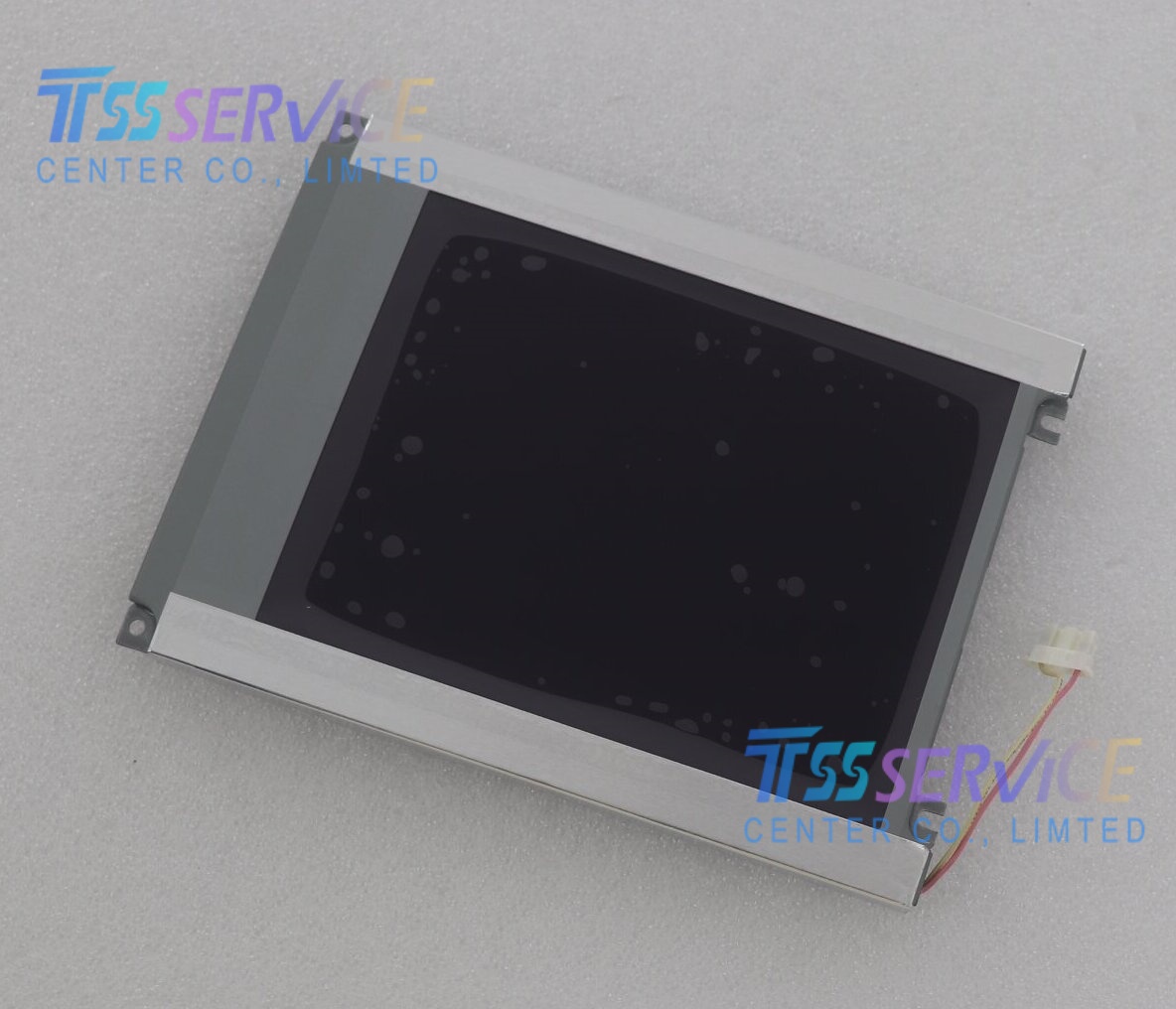
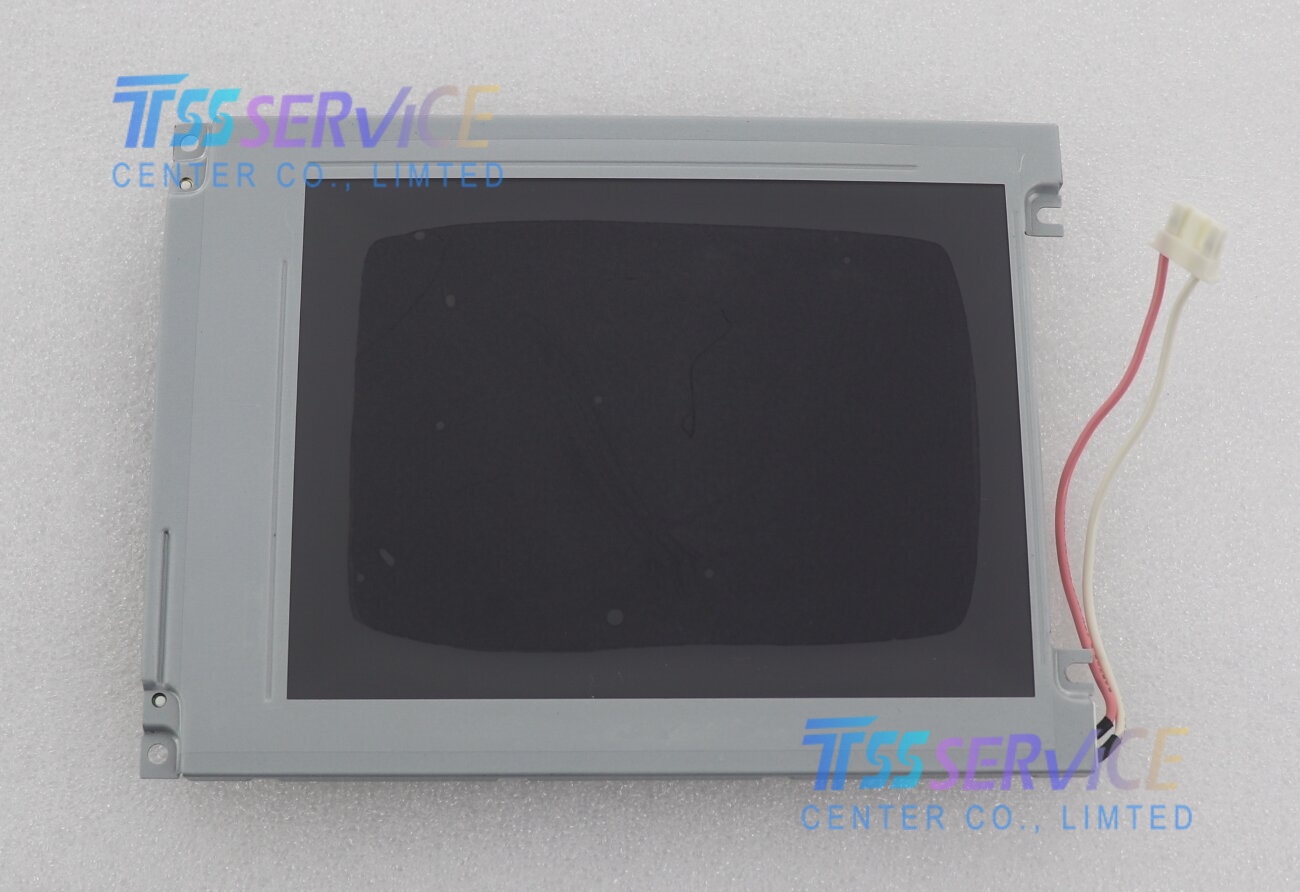
Mechanically, the panel is housed in a sturdy frame that includes mounting brackets or tab-latches for secure integration. It is designed to withstand 5G to 15G of vibration, ensuring that on a moving robotic arm or a vibrating stamping press, the display does not flicker or lose connection. The electrical connector is a keyed, locking type to prevent accidental disconnection. Furthermore, the LCD glass itself is often thicker than consumer-grade variants, providing resistance to pressure and minor impacts. This level of mechanical integrity means a lower total cost of ownership (TCO). The display may be more expensive upfront, but it significantly reduces field failure rates, warranty claims, and unscheduled downtime, which can cost thousands of dollars per minute in a production line.
Integration Strategy: Why This Display is the Right Choice for Your System
Following the technical deep dive, the final consideration is strategic fit. Choosing the KCS057QV1AA-G00-69-07 is a decision that impacts the entire product lifecycle. For system integrators, its standardized timing controller and pinout simplify PCB layout and firmware development. Many industrial single-board computers (like ARM Cortex or x86-based PC/104 modules) have native support for this interface, reducing the need for complex FPGA bridges.
From a supply chain perspective, Kyocera is a Tier-1 manufacturer known for long product lifecycle management. They often guarantee availability for 5-7 years, ensuring that a medical device or a military navigation system does not require a costly re-design halfway through its production run. This stability is non-negotiable for regulated industries like medical (patient monitors) or aviation (in-flight entertainment). The G00-69-07 variant in particular may also include enhanced ESD (Electrostatic Discharge) protection on the input pins, safeguarding the sensitive driver ICs in high-static environments like textile mills or chemical plants. Finally, the availability of optical bonding services for this panel allows integrators to add a touch screen or cover glass without a parallax error, creating a truly seamless and durable HMI.
Conclusion
In summary, the Kyocera KCS057QV1AA-G00-69-07 5.7-inch QVGA LCD panel is not defined by its most common spec sheets, but by its engineering for adversity. It offers a meticulously balanced combination of optical clarity—through high brightness and anti-glare treatment—and mechanical resilience, ensuring reliable operation across a brutal temperature range. For the discerning engineer, choosing this display means investing in system robustness and operational longevity over upfront cost savings. It serves as a definitive example of how a display panel, often viewed as a commodity, can be a critical strategic component that ensures your industrial product meets the highest standards of performance and reliability. Its proven track record in process control, medical diagnostics, and transportation confirms it as a cornerstone of modern industrial HMI design.


