In the landscape of industrial human-machine interfaces, the display panel serves as the critical bridge between operator and machine. While consumer electronics chase higher resolutions and faster refresh rates, the industrial sector demands a different hierarchy of values: reliability, readability under adverse conditions, and longevity.
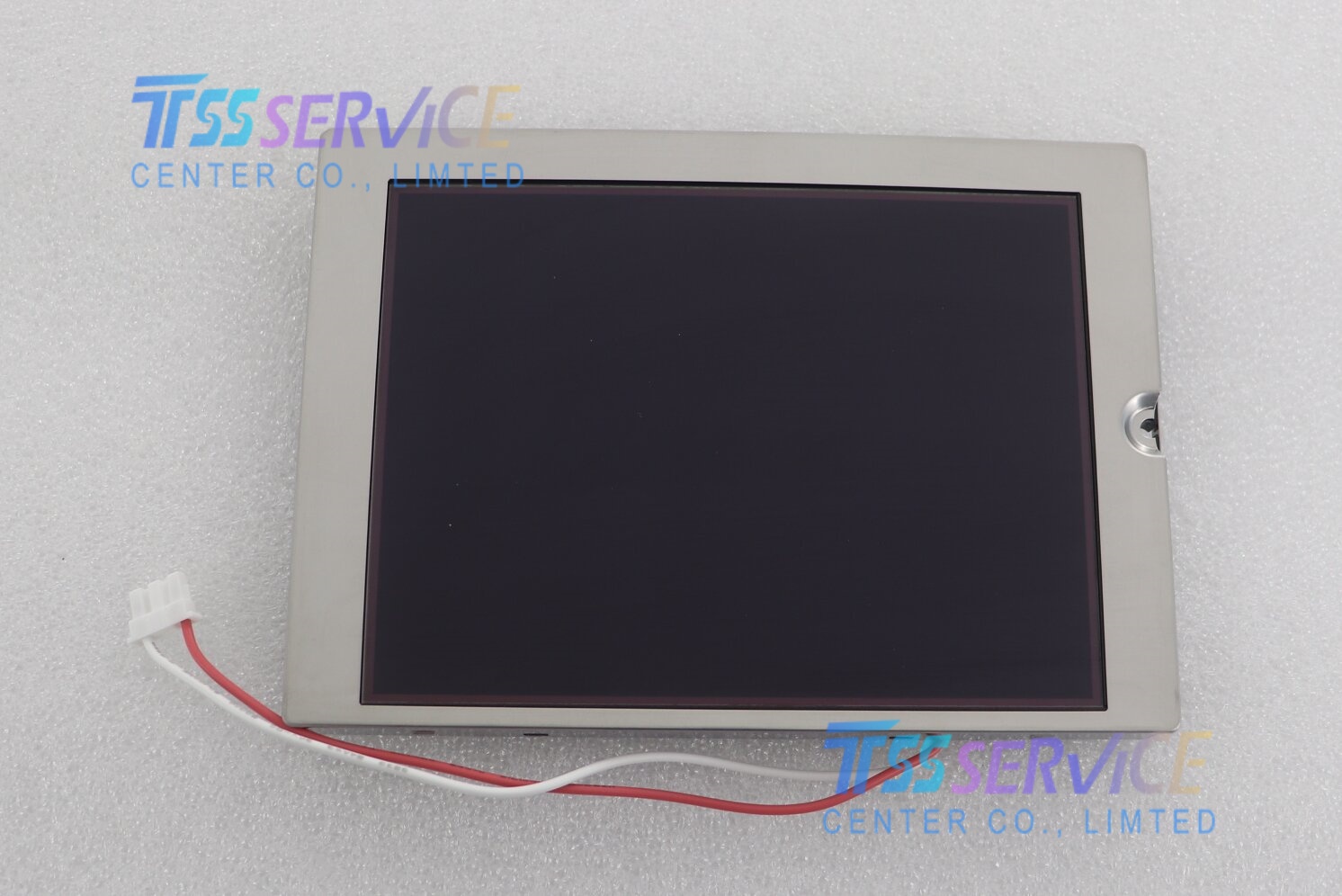
In the landscape of industrial human-machine interfaces, the display panel serves as the critical bridge between operator and machine. While consumer electronics chase higher resolutions and faster refresh rates, the industrial sector demands a different hierarchy of values: reliability, readability under adverse conditions, and longevity. The Kyocera KCG057QV1DB-G920-W, a 5.7-inch LCD display with a 320×240 resolution, embodies this specialized philosophy. Far from being a relic of an older standard, this panel represents a carefully engineered solution for environments where a standard commercial display would fail. This article delves into the specific architectural choices, optical performance characteristics, and mechanical design considerations that make the KCG057QV1DB-G920-W a preferred component for medical devices, heavy machinery, and outdoor kiosks. We will explore how Kyocera has optimized a seemingly modest specification sheet into a product that meets the rigorous certification and durability standards required by mission-critical applications.
The Architecture of Robustness: Passive Matrix and High-Reliability Design
At the heart of the KCG057QV1DB-G920-W lies a fundamental architectural choice: it utilizes a STN (Super Twisted Nematic) passive matrix LCD technology, specifically in a FSTN (Film-compensated STN) configuration. This is a deliberate departure from the active matrix TFT-LCDs that dominate consumer markets. The primary advantage in an industrial context is inherent ruggedness. Passive matrix displays have fewer interconnects and no thin-film transistors directly on the glass, which dramatically reduces the risk of failure from mechanical vibration, thermal shock, or long-term degradation
.
This panel is designed to operate across a wide temperature range, typically from -20°C to +70°C, a specification that immediately disqualifies most consumer-grade displays. The LED backlight is engineered for extended lifetime, often exceeding 50,000 hours of continuous use, which translates to over five years of 24/7 operation. Furthermore, the display incorporates a built-in negative voltage generator, simplifying the system designer's power supply architecture and ensuring stable contrast even as the input voltage fluctuates—a common occurrence in industrial power grids or battery-powered portable diagnostic equipment. The 320×240 resolution, or QVGA, is a deliberate choice; it is the de facto standard for simple GUI frameworks, allowing for fast redraws and low processing overhead on the host microcontroller. The passive matrix architecture, combined with these design parameters, creates a display that is intentionally resilient against the electrical noise, wide temperature swings, and physical stress found in factory floors and field installations.
Optical Performance: Mastery of Viewability Under Real-World Conditions
A display’s optical performance must be evaluated not by pixel density, but by its ability to convey information clearly when it matters most. The KCG057QV1DB-G920-W excels in this domain through its FSTN technology. Unlike standard STN panels that exhibit a yellow-green or blue background, the FSTN layer optically compensates for the birefringence of the liquid crystals. The result is a neutral grey or white background with dark, crisp pixels, effectively simulating the high-contrast look of a paper-like display. This is particularly beneficial in high-ambient-light environments where a backlit TFT can wash out completely.
The panel is offered in transflective mode, a critical feature often misunderstood. A transflective display combines a transmissive backlight with a reflective layer. In low-light conditions, the LED backlight provides illumination. In bright sunlight, the backlight is switched off or dimmed, and the display relies on ambient light reflecting off the internal mirror layer. This dual-mode operation ensures that the screen is readable under direct sunlight without glare, while also being usable in a dark control room. The viewing angle, while narrower than a modern IPS TFT—typically around 90 degrees horizontal and 40 degrees vertical—is entirely sufficient for a fixed-mount user interface where the operator is positioned directly in front of the unit. This focused optical design eliminates the need for expensive optical bonding or anti-reflective films, reducing system cost and complexity while delivering superior readability in the specific use case for which it was designed.
Mechanical Integration and Interface Precision
The physical footprint of the KCG057QV1DB-G920-W reveals a design language focused on industrial integration. The display measures 5.7 inches diagonally, with a module size and a specific active area designed to fit standard cutouts for existing panel meters and medical enclosures. The display incorporates a CCFL or LED backlight option (with the -W variant typically indicating an LED version for lower power and longer life), and the mechanical design includes sturdy mounting tabs and a robust metal frame that can withstand repeated screw-down torque without warping the glass.
From an electrical interface standpoint, this panel utilizes a parallel 8-bit or 4-bit data bus, which is a legacy standard still widely supported by microcontrollers from Renesas, NXP, and Microchip. This interface is deterministic and does not require complex protocol stacks like HDMI or LVDS, reducing EMI emissions and simplifying PCB layout for the system designer. The timing parameters are well-documented and tolerant of slower microcontrollers, making it an excellent choice for designs that prioritize certification (e.g., IEC 60601 for medical equipment) over raw speed. The connector is a standard ZIF (Zero Insertion Force) or pin-header, designed for a secure connection that will not loosen due to vibration, a common failure point in industrial systems using FFC cables. Every mechanical and electrical decision points toward ease of integration, long-term maintainability, and hardware stability over the product’s lifecycle.
Long-Term Value and Obsolescence Protection in Supply Chain
Perhaps the most underappreciated aspect of the KCG057QV1DB-G920-W is its role in supply chain management and product lifecycle planning. Kyocera, as a Tier 1 industrial display manufacturer, is known for its long-term availability commitments. A product designed for medical or factory automation may have a production lifespan of 10 to 15 years, and changing a display mid-cycle requires costly re-qualification and regulatory re-testing. This panel is part of Kyocera’s series of displays that are often supported for a decade or more, with notifications of end-of-life provided years in advance. This is a stark contrast to consumer panels which can be discontinued within 18 months.
The use of a standard QVGA resolution and a generic parallel interface means that this display can be a drop-in replacement for older, obsolete panels from other manufacturers that may have been discontinued. This compatibility reduces the risk for OEMs who need to refresh an existing product without redesigning the entire main board. Furthermore, the simple driving electronics require less specialized inventory; a single microcontroller can handle display control, user input, and communication without needing a dedicated graphics processor. From a total cost of ownership perspective, the higher unit price of the Kyocera panel is offset by reduced failure rates, longer operational life, lower power consumption due to the transflective nature, and the elimination of redesign costs over the product's lifetime. For the design engineer, choosing this panel is a strategic decision to build a product that remains field-serviceable and supportable for years, protecting the customer’s capital investment in the hardware.
Conclusion
The Kyocera KCG057QV1DB-G920-W is a definitive example of how industrial display design prioritizes fitness for purpose over raw specifications. Its FSTN passive matrix architecture, transflective optical design, and robust mechanical construction are not compromises but deliberate optimizations for reliability, sunlight readability, and long-term supply chain stability. For engineers developing medical devices, heavy machinery controls, or outdoor terminals, this panel eliminates the risks associated with consumer-grade components. By choosing this display, you are investing in a product engineered to perform consistently for a decade or more in harsh environments. It proves that in the industrial world, a lower-resolution display can be the smarter, more capable, and ultimately more valuable solution.


