In the demanding world of industrial automation, medical instrumentation, and rugged embedded systems, the display is not merely a peripheral—it is the critical interface between human operator and machine logic. The TCG084SVLQEPNN-AN40, manufactured by Kyocera
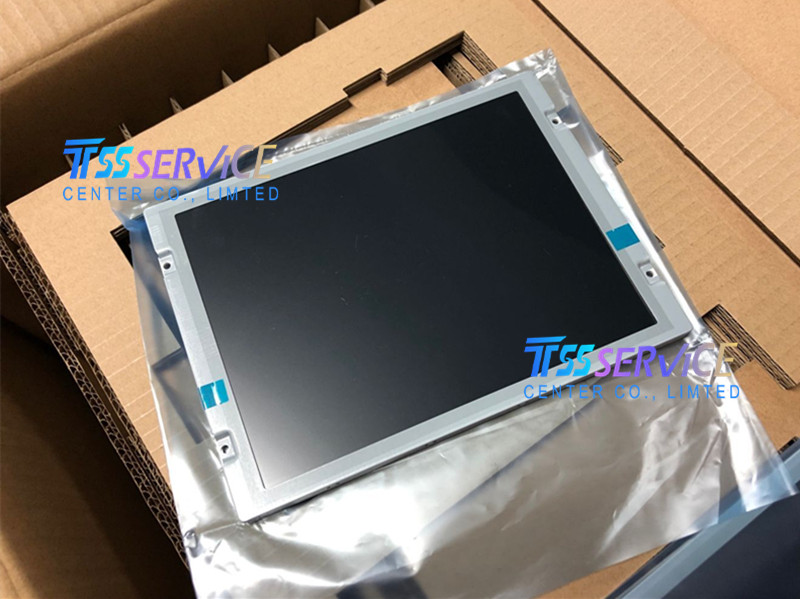
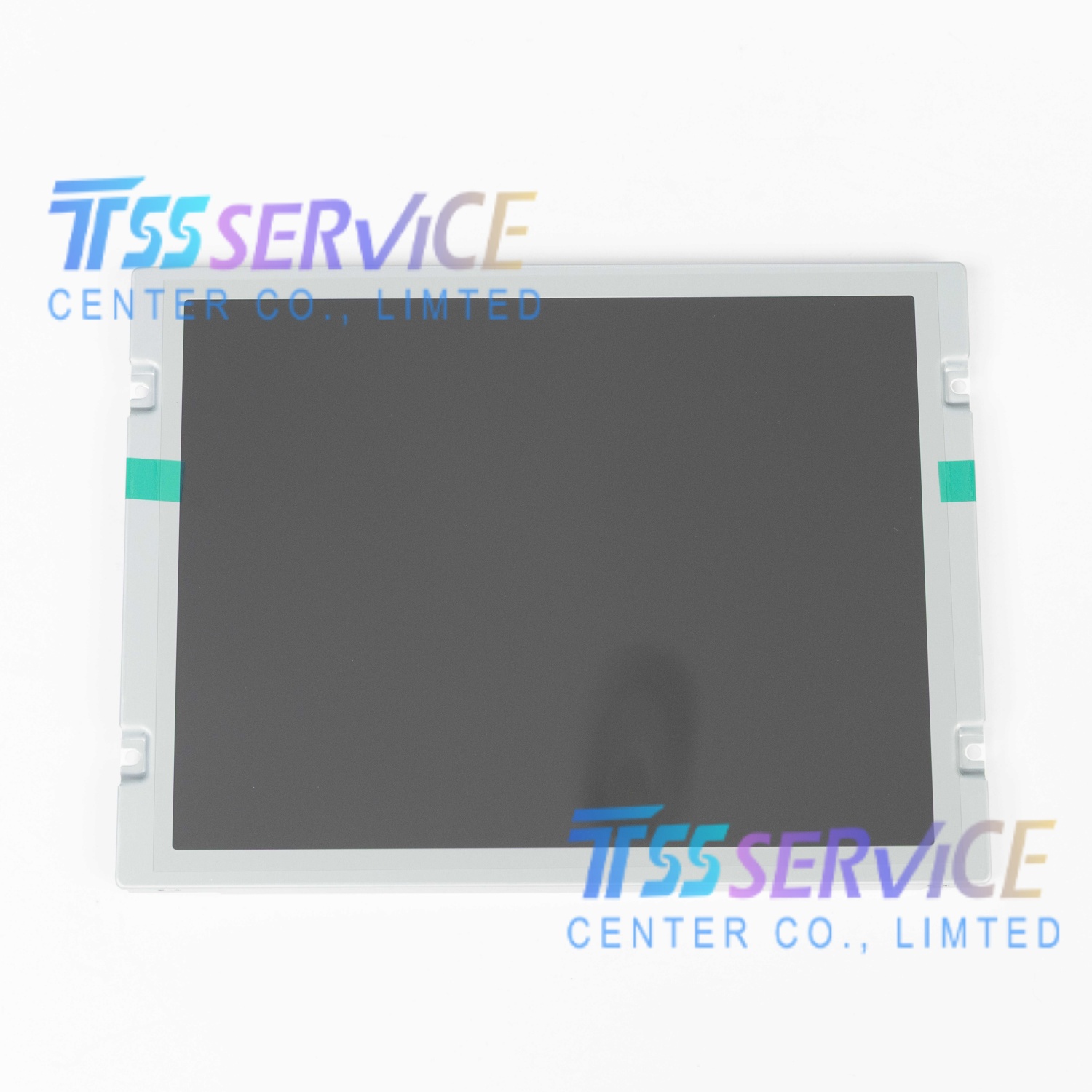
In the demanding world of industrial automation, medical instrumentation, and rugged embedded systems, the display is not merely a peripheral—it is the critical interface between human operator and machine logic. The TCG084SVLQEPNN-AN40, manufactured by Kyocera, represents a specific convergence of reliability, optical clarity, and mechanical endurance that is often overlooked in the consumer display market. This 8.4-inch LCD panel, with its native 800×600 resolution (SVGA), is not designed for vibrant multimedia consumption but for environments where failure is not an option. This article delves into the technical architecture, operational advantages, and application-specific relevance of this particular model. We will explore how Kyocera has balanced the legacy SVGA aspect ratio with modern backlighting efficiency, why the QEPNN-AN40 suffix denotes more than just a revision number, and how this component serves as a backbone for mission-critical interfaces in industries ranging from factory floor control panels to patient monitoring systems. Understanding this display requires a shift in perspective—from pixel density to reliability density.
Optical Engineering and Visual Performance Characteristics
The TCG084SVLQEPNN-AN40 employs an a-Si TFT active matrix architecture, a mature and inherently stable technology for industrial applications. With a diagonal size of 8.4 inches and a resolution of 800×600, this panel adheres to the SVGA standard, offering a pixel density of approximately 119 PPI. While seemingly modest compared to modern smartphone displays, this density is deliberate; it ensures that text and icons at typical viewing distances (30–60 cm) remain crisp without placing excessive computational load on the driving hardware.
A crucial optical parameter is the viewing angle. Kyocera specifies a typical horizontal viewing angle of 140 degrees and a vertical angle of 120 degrees for this model. This is achieved through a Twisted Nematic (TN) technology, which, while offering faster response times than IPS (typically 10–15 ms), demands careful mounting orientation. The brightness rating, often found in the 600–800 cd/m² range for this series, is intentionally high. This is not a luxury; it is a functional necessity for overcoming ambient light in factory halls or hospital rooms where glare is unavoidable.
Furthermore, the contrast ratio of 700:1 (typical) ensures that grayscale gradients remain distinguishable, which is vital for applications like waveform display in oscilloscopes or thermal imaging in security panels. The anti-glare surface treatment, a standard feature on Kyocera’s industrial line, reduces specular reflections without introducing a hazy film, preserving the integrity of the 16.2 million colors the panel can reproduce. For engineers designing for readability, the backlight Luminance uniformity—typically >80%—ensures that edge-darkening does not compromise data legibility in critical zones.
Mechanical Design and Thermal Management for Rugged Environments
One of the most under-analyzed aspects of the TCG084SVLQEPNN-AN40 is its physical construction. Kyocera has engineered this panel with a metal bezel frame rather than the plastic frames common in consumer monitors. This provides superior EMI shielding and mechanical rigidity, allowing the display to withstand the vibration and shock profiles typical of IPC (Industrial PC) and CNC machinery. The mounting hole locations follow a standardized pitch, facilitating drop-in replacement for legacy systems.
The thermal interface is equally significant. The panel’s power consumption hovers around 8–10 Watts, a figure that dictates heat dissipation requirements. Kyocera integrates a low-thermal-resistance backlight chassis that conducts heat away from the edge-lit LEDs toward the rear casing. In sealed enclosures, this passive cooling approach prevents hot spots that could degrade the LCD fluid over time. The operating temperature range spans from -20°C to +70°C, a specification that excludes this panel from consumer-grade classifications. This ensures that the liquid crystal material maintains its switching properties even in unheated warehouses or sun-exposed control panels.
Additionally, the connector layout is a study in field reliability. The LVDS interface (typically a 20-pin or 30-pin connector) is keyed and secured with locking tabs, preventing accidental disconnection due to vibration. The cables are routed through strain-relief points on the metal frame, a detail that reduces field failures caused by maintenance handling. For integrators, the depth profile of approximately 8-10 mm (excluding mounting brackets) allows this panel to fit within slim enclosures without protruding, reducing the risk of impact damage.
Application Ecosystems and Integration Considerations
The TCG084SVLQEPNN-AN40 occupies a specific niche within the industrial ecosystem as a human-machine interface (HMI) anchor. Its 4:3 aspect ratio, while outdated for video, is ideal for displaying industrial control layouts, bar graphs, alarm lists, and supervisory control screens. The 800×600 resolution aligns perfectly with legacy SCADA (Supervisory Control and Data Acquisition) software that was originally optimized for SVGA CRT monitors. This backward compatibility is a significant cost-saving factor for upgrades, as software migration is minimized.
In the medical domain, this panel finds its place in ventilators, patient monitors, and diagnostic ultrasound carts. The high brightness allows for readability even when dimmed for nighttime use, and the low latency ensures that real-time waveform data updates without motion blur. Crucially, Kyocera’s adherence to RoHS and REACH compliance reduces the regulatory burden for medical device manufacturers.
For transportation and heavy machinery, where displays are often exposed to condensation and saline mist, the panel’s optional optical bonding capability provides enhanced durability. Bonding the cover glass to the LCD stack eliminates the air gap, preventing fogging and increasing impact resistance. However, integrators must note that this display uses CCFL or LED backlighting depending on the specific revision; the QEPNN-AN40 variant is notably an LED-backlit model, offering longer lifetime (typically 50,000 – 70,000 hours) and lower power draw compared to older CCFL-based alternatives. This makes it a more sustainable choice for 24/7 operation.
Long-term Reliability and Lifecycle Management
Perhaps the most compelling argument for selecting the TCG084SVLQEPNN-AN40 over a generic competitor is lifecycle predictability. Kyocera is known for maintaining production of industrial display panels for extended periods—often 7 to 10 years. This is a stark contrast to the consumer display market, where models are discontinued within 18 months. For OEMs developing equipment with a 5-year field lifespan, this support is invaluable.
The Mean Time Between Failures (MTBF) for this panel typically exceeds 100,000 hours, calculated under standard operating conditions. This figure is not theoretical; it is derived from accelerated life testing including temperature cycling and humidity exposure. The backlight driver circuitry is over-engineered with derated capacitors, minimizing the risk of electrolyte failure—a common cause of premature display dimming. Furthermore, Kyocera provides detailed mechanical drawings and electrical interface specifications without requiring lengthy NDAs, enabling rapid design-in by electrical and mechanical engineers. The availability of custom tab-bonding options for flexible cables also allows for tight integration into sealed assemblies, reducing the need for interposers or adapters. When a display must run for 16 hours a day in a dusty factory, the difference between a generic panel and a Kyocera panel is often the difference between a scheduled maintenance cycle and an emergency outage.
The TCG084SVLQEPNN-AN40 is not a product that will inspire awe in a technology showroom, but it commands respect on a factory floor or in a hospital ICU. It is a testament to functional engineering—where every design decision, from the metal bezel to the LED backlight driver, is made with the single goal of sustained, reliable operation. This Kyocera panel proves that in the industrial realm, the best display is the one you never have to think about. It integrates seamlessly, operates consistently, and endures reliably. For engineers tasked with specifying a component for a system that must not fail, this 8.4-inch SVGA panel offers a rare combination of optical adequacy and mechanical resilience. It is not revolutionary, but it is profoundly reliable—and in industrial electronics, that is the highest compliment.
80%—ensures that edge-darkening does not compromise data legibility in critical zones."}}},"align":"left","folded":false}},"doxcn1t6azl5OoRI66u0uFM4Iih":{"id":"doxcn1t6azl5OoRI66u0uFM4Iih","snapshot":{"type":"text","parent_id":"EQH9dfKCRolekGxKXksc2n9qn8d","comments":null,"revisions":null,"locked":false,"hidden":false,"author":"7597729576936017103","children":[],"text":{"apool":{"nextNum":2,"numToAttrib":{"0":["author","7597729576936017103"],"1":["bold","true"]}},"initialAttributedTexts":{"attribs":{"0":"*0*1+1s"},"text":{"0":"Mechanical Design and Thermal Management for Rugged Environments"}}},"align":"left","folded":false}},"doxcn3xxb1W7J6hhC8w3SDUTlof":{"id":"doxcn3xxb1W7J6hhC8w3SDUTlof","snapshot":{"type":"text","parent_id":"EQH9dfKCRolekGxKXksc2n9qn8d","comments":null,"revisions":null,"locked":false,"hidden":false,"author":"7597729576936017103","children":[],"text":{"apool":{"nextNum":2,"numToAttrib":{"0":["author","7597729576936017103"],"1":["bold","true"]}},"initialAttributedTexts":{"attribs":{"0":"*0+1a*0*1+j*0+20*0*1+h*0+5l*0*1+11*0+33"},"text":{"0":"One of the most under-analyzed aspects of the TCG084SVLQEPNN-AN40 is its physical construction. Kyocera has engineered this panel with a metal bezel frame rather than the plastic frames common in consumer monitors. This provides superior EMI shielding and mechanical rigidity, allowing the display to withstand the vibration and shock profiles typical of IPC (Industrial PC) and CNC machinery. The mounting hole locations follow a standardized pitch, facilitating drop-in replacement for legacy systems."}}},"align":"left","folded":false}},"doxcnEwlzA5N0TFcA8y7QUbhYzd":{"id":"doxcnEwlzA5N0TFcA8y7QUbhYzd","snapshot":{"type":"text","parent_id":"EQH9dfKCRolekGxKXksc2n9qn8d","comments":null,"revisions":null,"locked":false,"hidden":false,"author":"7597729576936017103","children":[],"text":{"apool":{"nextNum":2,"numToAttrib":{"0":["author","7597729576936017103"],"1":["bold","true"]}},"initialAttributedTexts":{"attribs":{"0":"*0+4*0*1+h*0+11*0*1+16*0+8k*0*1+1h*0+63"},"text":{"0":"The thermal interface is equally significant. The panel’s power consumption hovers around 8–10 Watts, a figure that dictates heat dissipation requirements. Kyocera integrates a low-thermal-resistance backlight chassis that conducts heat away from the edge-lit LEDs toward the rear casing. In sealed enclosures, this passive cooling approach prevents hot spots that could degrade the LCD fluid over time. The operating temperature range spans from -20°C to +70°C, a specification that excludes this panel from consumer-grade classifications. This ensures that the liquid crystal material maintains its switching properties even in unheated warehouses or sun-exposed control panels."}}},"align":"left","folded":false}},"doxcnOqvnLRksnXcILmYq764v7g":{"id":"doxcnOqvnLRksnXcILmYq764v7g","snapshot":{"type":"text","parent_id":"EQH9dfKCRolekGxKXksc2n9qn8d","comments":null,"revisions":null,"locked":false,"hidden":false,"author":"7597729576936017103","children":[],"text":{"apool":{"nextNum":2,"numToAttrib":{"0":["author","7597729576936017103"],"1":["bold","true"]}},"initialAttributedTexts":{"attribs":{"0":"*0+20*0*1+e*0+89*0*1+12*0+3q"},"text":{"0":"Additionally, the connector layout is a study in field reliability. The LVDS interface (typically a 20-pin or 30-pin connector) is keyed and secured with locking tabs, preventing accidental disconnection due to vibration. The cables are routed through strain-relief points on the metal frame, a detail that reduces field failures caused by maintenance handling. For integrators, the depth profile of approximately 8-10 mm (excluding mounting brackets) allows this panel to fit within slim enclosures without protruding, reducing the risk of impact damage."}}},"align":"left","folded":false}},"doxcnFleEiobkUnQpPWaOFU73Ld":{"id":"doxcnFleEiobkUnQpPWaOFU73Ld","snapshot":{"type":"text","parent_id":"EQH9dfKCRolekGxKXksc2n9qn8d","comments":null,"revisions":null,"locked":false,"hidden":false,"author":"7597729576936017103","children":[],"text":{"apool":{"nextNum":2,"numToAttrib":{"0":["author","7597729576936017103"],"1":["bold","true"]}},"initialAttributedTexts":{"attribs":{"0":"*0*1+1h"},"text":{"0":"Application Ecosystems and Integration Considerations"}}},"align":"left","folded":false}},"doxcnVR4OSKV1oFFebDQ1QZ30xc":{"id":"doxcnVR4OSKV1oFFebDQ1QZ30xc","snapshot":{"type":"text","parent_id":"EQH9dfKCRolekGxKXksc2n9qn8d","comments":null,"revisions":null,"locked":false,"hidden":false,"author":"7597729576936017103","children":[],"text":{"apool":{"nextNum":2,"numToAttrib":{"0":["author","7597729576936017103"],"1":["bold","true"]}},"initialAttributedTexts":{"attribs":{"0":"*0+4*0*1+j*0+1s*0*1+10*0+4k*0*1+i*0+72"},"text":{"0":"The TCG084SVLQEPNN-AN40 occupies a specific niche within the industrial ecosystem as a human-machine interface (HMI) anchor. Its 4:3 aspect ratio, while outdated for video, is ideal for displaying industrial control layouts, bar graphs, alarm lists, and supervisory control screens. The 800×600 resolution aligns perfectly with legacy SCADA (Supervisory Control and Data Acquisition) software that was originally optimized for SVGA CRT monitors. This backward compatibility is a significant cost-saving factor for upgrades, as software migration is minimized."}}},"align":"left","folded":false}},"doxcnJcZFakbTJ8h2CWLjtPVV9c":{"id":"doxcnJcZFakbTJ8h2CWLjtPVV9c","snapshot":{"type":"text","parent_id":"EQH9dfKCRolekGxKXksc2n9qn8d","comments":null,"revisions":null,"locked":false,"hidden":false,"author":"7597729576936017103","children":[],"text":{"apool":{"nextNum":2,"numToAttrib":{"0":["author","7597729576936017103"],"1":["bold","true"]}},"initialAttributedTexts":{"attribs":{"0":"*0+7*0*1+e*0+87*0*1+p*0+1s"},"text":{"0":"In the medical domain, this panel finds its place in ventilators, patient monitors, and diagnostic ultrasound carts. The high brightness allows for readability even when dimmed for nighttime use, and the low latency ensures that real-time waveform data updates without motion blur. Crucially, Kyocera’s adherence to RoHS and REACH compliance reduces the regulatory burden for medical device manufacturers."}}},"align":"left","folded":false}},"doxcnGkdFDhQgKCLqNMObeXV0Qd":{"id":"doxcnGkdFDhQgKCLqNMObeXV0Qd","snapshot":{"type":"text","parent_id":"EQH9dfKCRolekGxKXksc2n9qn8d","comments":null,"revisions":null,"locked":false,"hidden":false,"author":"7597729576936017103","children":[],"text":{"apool":{"nextNum":2,"numToAttrib":{"0":["author","7597729576936017103"],"1":["bold","true"]}},"initialAttributedTexts":{"attribs":{"0":"*0+4*0*1+y*0+2h*0*1+f*0+5y*0*1+o*0+22*0*1+h*0+54"},"text":{"0":"For transportation and heavy machinery, where displays are often exposed to condensation and saline mist, the panel’s optional optical bonding capability provides enhanced durability. Bonding the cover glass to the LCD stack eliminates the air gap, preventing fogging and increasing impact resistance. However, integrators must note that this display uses CCFL or LED backlighting depending on the specific revision; the QEPNN-AN40 variant is notably an LED-backlit model, offering longer lifetime (typically 50,000 – 70,000 hours) and lower power draw compared to older CCFL-based alternatives. This makes it a more sustainable choice for 24/7 operation."}}},"align":"left","folded":false}},"doxcnVfnCdlCzIFskkTpxCvQkEe":{"id":"doxcnVfnCdlCzIFskkTpxCvQkEe","snapshot":{"type":"text","parent_id":"EQH9dfKCRolekGxKXksc2n9qn8d","comments":null,"revisions":null,"locked":false,"hidden":false,"author":"7597729576936017103","children":[],"text":{"apool":{"nextNum":2,"numToAttrib":{"0":["author","7597729576936017103"],"1":["bold","true"]}},"initialAttributedTexts":{"attribs":{"0":"*0*1+1a"},"text":{"0":"Long-term Reliability and Lifecycle Management"}}},"align":"left","folded":false}},"doxcnlIs8DMABVEYGVgW1G6Qnnc":{"id":"doxcnlIs8DMABVEYGVgW1G6Qnnc","snapshot":{"type":"text","parent_id":"EQH9dfKCRolekGxKXksc2n9qn8d","comments":null,"revisions":null,"locked":false,"hidden":false,"author":"7597729576936017103","children":[],"text":{"apool":{"nextNum":2,"numToAttrib":{"0":["author","7597729576936017103"],"1":["bold","true"]}},"initialAttributedTexts":{"attribs":{"0":"*0+1j*0*1+j*0+u*0*1+o*0+8l"},"text":{"0":"Perhaps the most compelling argument for selecting the TCG084SVLQEPNN-AN40 over a generic competitor is lifecycle predictability. Kyocera is known for maintaining production of industrial display panels for extended periods—often 7 to 10 years. This is a stark contrast to the consumer display market, where models are discontinued within 18 months. For OEMs developing equipment with a 5-year field lifespan, this support is invaluable."}}},"align":"left","folded":false}},"doxcnPwrZtJBzkjxd1bFYpwO4Pg":{"id":"doxcnPwrZtJBzkjxd1bFYpwO4Pg","snapshot":{"type":"text","parent_id":"EQH9dfKCRolekGxKXksc2n9qn8d","comments":null,"revisions":null,"locked":false,"hidden":false,"author":"7597729576936017103","children":[],"text":{"apool":{"nextNum":2,"numToAttrib":{"0":["author","7597729576936017103"],"1":["bold","true"]}},"initialAttributedTexts":{"attribs":{"0":"*0+4*0*1+x*0+6e*0*1+q*0+4j*0*1+1w*0+3a*0*1+q*0+9a"},"text":{"0":"The Mean Time Between Failures (MTBF) for this panel typically exceeds 100,000 hours, calculated under standard operating conditions. This figure is not theoretical; it is derived from accelerated life testing including temperature cycling and humidity exposure. The backlight driver circuitry is over-engineered with derated capacitors, minimizing the risk of electrolyte failure—a common cause of premature display dimming. Furthermore, Kyocera provides detailed mechanical drawings and electrical interface specifications without requiring lengthy NDAs, enabling rapid design-in by electrical and mechanical engineers. The availability of custom tab-bonding options for flexible cables also allows for tight integration into sealed assemblies, reducing the need for interposers or adapters. When a display must run for 16 hours a day in a dusty factory, the difference between a generic panel and a Kyocera panel is often the difference between a scheduled maintenance cycle and an emergency outage."}}},"align":"left","folded":false}},"doxcnCVtanc9U9hAXptDYCL64Ad":{"id":"doxcnCVtanc9U9hAXptDYCL64Ad","snapshot":{"type":"text","parent_id":"EQH9dfKCRolekGxKXksc2n9qn8d","comments":null,"revisions":null,"locked":false,"hidden":false,"author":"7597729576936017103","children":[],"text":{"initialAttributedTexts":{"text":{"0":"The TCG084SVLQEPNN-AN40 is not a product that will inspire awe in a technology showroom, but it commands respect on a factory floor or in a hospital ICU. It is a testament to functional engineering—where every design decision, from the metal bezel to the LED backlight driver, is made with the single goal of sustained, reliable operation. This Kyocera panel proves that in the industrial realm, the best display is the one you never have to think about. It integrates seamlessly, operates consistently, and endures reliably. For engineers tasked with specifying a component for a system that must not fail, this 8.4-inch SVGA panel offers a rare combination of optical adequacy and mechanical resilience. It is not revolutionary, but it is profoundly reliable—and in industrial electronics, that is the highest compliment."},"attribs":{"0":"*0+4*0*1+j*0+48*0*1+m*0+he"}},"apool":{"numToAttrib":{"0":["author","7597729576936017103"],"1":["bold","true"]},"nextNum":2}},"align":"left","folded":false}},"EQH9dfKCRolekGxKXksc2n9qn8d":{"id":"EQH9dfKCRolekGxKXksc2n9qn8d","snapshot":{"type":"page","parent_id":"","comments":[],"revisions":[],"locked":false,"hidden":false,"author":"7597729576936017103","children":["doxcnzZyOsViJStpQjHjj1oHOQg","doxcnT9HWmfexLedNSAgpYsWD0g","doxcnTG9GoS8TyCex1gpxyOiuhc","doxcnv67iq5TbB2qdDBAz4vJuoe","doxcnYvmW7oqJNaOMdLICz8tw3e","doxcnqFm5aWeAgvgvFwknfu2D8b","doxcn1t6azl5OoRI66u0uFM4Iih","doxcn3xxb1W7J6hhC8w3SDUTlof","doxcnEwlzA5N0TFcA8y7QUbhYzd","doxcnOqvnLRksnXcILmYq764v7g","doxcnFleEiobkUnQpPWaOFU73Ld","doxcnVR4OSKV1oFFebDQ1QZ30xc","doxcnJcZFakbTJ8h2CWLjtPVV9c","doxcnGkdFDhQgKCLqNMObeXV0Qd","doxcnVfnCdlCzIFskkTpxCvQkEe","doxcnlIs8DMABVEYGVgW1G6Qnnc","doxcnPwrZtJBzkjxd1bFYpwO4Pg","doxcnCVtanc9U9hAXptDYCL64Ad"],"text":{"apool":{"nextNum":1,"numToAttrib":{"0":["author","7597729576936017103"]}},"initialAttributedTexts":{"attribs":{"0":"*0+1y"},"text":{"0":"Kyocera 8.4 inch 800×600 LCD Display Panel, TCG084SVLQEPNN-AN40 Review"}}},"align":"","doc_info":{"editors":["7597729576936017103"],"options":["editors","edit_time"],"deleted_editors":null,"option_modified":null}}}},"payloadMap":{"doxcnT9HWmfexLedNSAgpYsWD0g":{"level":1},"doxcnTG9GoS8TyCex1gpxyOiuhc":{"level":1},"doxcnv67iq5TbB2qdDBAz4vJuoe":{"level":1},"doxcnYvmW7oqJNaOMdLICz8tw3e":{"level":1},"doxcnqFm5aWeAgvgvFwknfu2D8b":{"level":1},"doxcn1t6azl5OoRI66u0uFM4Iih":{"level":1},"doxcn3xxb1W7J6hhC8w3SDUTlof":{"level":1},"doxcnEwlzA5N0TFcA8y7QUbhYzd":{"level":1},"doxcnOqvnLRksnXcILmYq764v7g":{"level":1},"doxcnFleEiobkUnQpPWaOFU73Ld":{"level":1},"doxcnVR4OSKV1oFFebDQ1QZ30xc":{"level":1},"doxcnJcZFakbTJ8h2CWLjtPVV9c":{"level":1},"doxcnGkdFDhQgKCLqNMObeXV0Qd":{"level":1},"doxcnVfnCdlCzIFskkTpxCvQkEe":{"level":1},"doxcnlIs8DMABVEYGVgW1G6Qnnc":{"level":1},"doxcnPwrZtJBzkjxd1bFYpwO4Pg":{"level":1},"doxcnCVtanc9U9hAXptDYCL64Ad":{"level":1},"lingoClipboardPayload":{"spaceSubExtraInfo":[{"spaceSubId":"doxcnv67iq5TbB2qdDBAz4vJuoe","word":"PPI"},{"spaceSubId":"doxcnYvmW7oqJNaOMdLICz8tw3e","word":"IPS"},{"spaceSubId":"doxcn3xxb1W7J6hhC8w3SDUTlof","word":"IPC"},{"spaceSubId":"doxcnOqvnLRksnXcILmYq764v7g","word":"pin"}],"spaceId":"EQH9dfKCRolekGxKXksc2n9qn8d","spaceType":1}},"extra":{"channel":"saas","pasteRandomId":"b0d13d90-2f8b-464d-86c7-6965abc8d31b","mention_page_title":{},"external_mention_url":{},"isEqualBlockSelection":true},"isKeepQuoteContainer":false,"selection":[{"id":3,"type":"text","selection":{"start":0,"end":1161},"recordId":"doxcnT9HWmfexLedNSAgpYsWD0g"},{"id":4,"type":"text","selection":{"start":0,"end":58},"recordId":"doxcnTG9GoS8TyCex1gpxyOiuhc"},{"id":5,"type":"text","selection":{"start":0,"end":543},"recordId":"doxcnv67iq5TbB2qdDBAz4vJuoe"},{"id":6,"type":"text","selection":{"start":0,"end":587},"recordId":"doxcnYvmW7oqJNaOMdLICz8tw3e"},{"id":7,"type":"text","selection":{"start":0,"end":613},"recordId":"doxcnqFm5aWeAgvgvFwknfu2D8b"},{"id":8,"type":"text","selection":{"start":0,"end":64},"recordId":"doxcn1t6azl5OoRI66u0uFM4Iih"},{"id":9,"type":"text","selection":{"start":0,"end":503},"recordId":"doxcn3xxb1W7J6hhC8w3SDUTlof"},{"id":10,"type":"text","selection":{"start":0,"end":680},"recordId":"doxcnEwlzA5N0TFcA8y7QUbhYzd"},{"id":11,"type":"text","selection":{"start":0,"end":555},"recordId":"doxcnOqvnLRksnXcILmYq764v7g"},{"id":12,"type":"text","selection":{"start":0,"end":53},"recordId":"doxcnFleEiobkUnQpPWaOFU73Ld"},{"id":13,"type":"text","selection":{"start":0,"end":559},"recordId":"doxcnVR4OSKV1oFFebDQ1QZ30xc"},{"id":14,"type":"text","selection":{"start":0,"end":405},"recordId":"doxcnJcZFakbTJ8h2CWLjtPVV9c"},{"id":15,"type":"text","selection":{"start":0,"end":655},"recordId":"doxcnGkdFDhQgKCLqNMObeXV0Qd"},{"id":16,"type":"text","selection":{"start":0,"end":46},"recordId":"doxcnVfnCdlCzIFskkTpxCvQkEe"},{"id":17,"type":"text","selection":{"start":0,"end":437},"recordId":"doxcnlIs8DMABVEYGVgW1G6Qnnc"},{"id":18,"type":"text","selection":{"start":0,"end":1002},"recordId":"doxcnPwrZtJBzkjxd1bFYpwO4Pg"},{"id":19,"type":"text","selection":{"start":0,"end":823},"recordId":"doxcnCVtanc9U9hAXptDYCL64Ad"}],"pasteFlag":"be70778d-2c75-41fe-ba44-a574fd422167"}" data-lark-record-format="docx/record" class="lark-record-clipboard" style="font-size: 16px;">


