In the demanding world of industrial technology, the display is often the critical interface between complex machinery and human operators. It is the window into system status, the conduit for control, and a component that must perform flawlessly under conditions that would cripple consumer-grade screens. T
In the demanding world of industrial technology, the display is often the critical interface between complex machinery and human operators. It is the window into system status, the conduit for control, and a component that must perform flawlessly under conditions that would cripple consumer-grade screens. This article delves into the Kyocera TCG084VGLAAANN-AN00, an 8.4-inch LCD panel engineered specifically for these harsh environments. We will move beyond basic specifications to explore the design philosophy, technological features, and application-specific advantages that make this panel a cornerstone for reliable industrial design.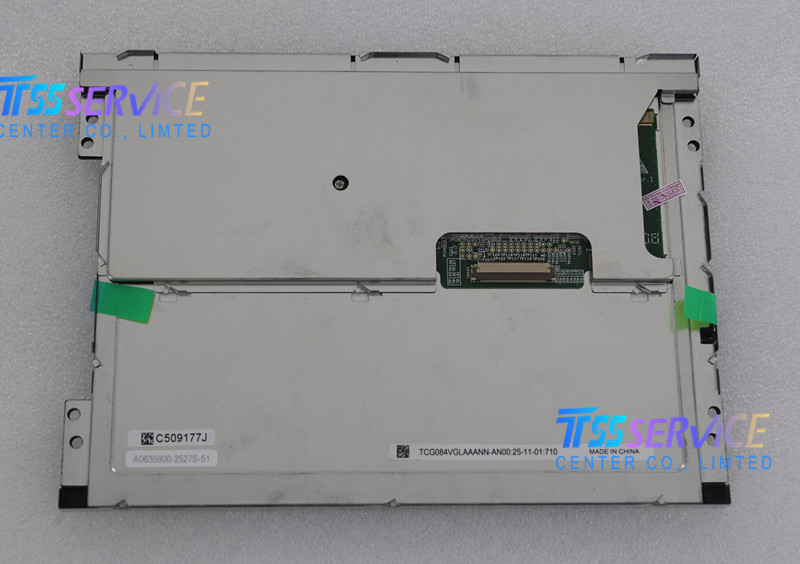
Our analysis will progress from its foundational ruggedness to its optical performance, then to its integration capabilities, and finally to its role in future-proofing industrial systems. This exploration is essential for engineers, product designers, and procurement specialists seeking a display solution that guarantees durability, clarity, and long-term viability.
Engineered for Endurance: The Foundation of Industrial Ruggedness
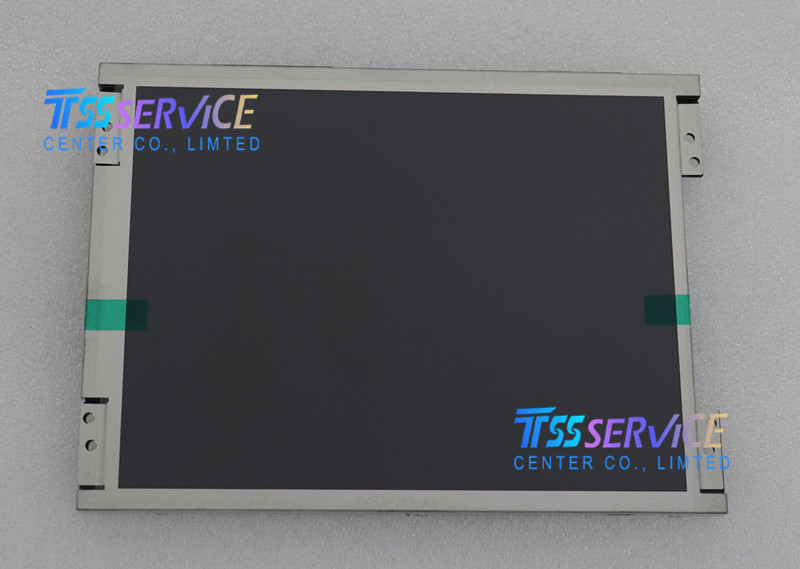
The primary differentiator of the Kyocera TCG084VGLAAANN-AN00 from commercial displays is its inherent ruggedness. Industrial settings introduce a host of environmental stressors: extreme temperature fluctuations, pervasive dust and moisture, physical vibration, and potential electrical noise. This panel is built from the ground up to withstand these challenges.
Its construction likely involves a robust metal frame and strengthened glass substrate, providing exceptional resistance to shock and vibration. The operating temperature range is significantly wider than that of consumer panels, ensuring stable performance in both refrigerated warehouses and sun-baked factory floors. Furthermore, the panel incorporates shielding and filtering technologies to mitigate electromagnetic interference (EMI), which is crucial for operation near high-power motors, PLCs, and wireless communication devices. This foundational reliability is not an added feature; it is the core identity of the product, ensuring that the human-machine interface remains the most dependable part of the system.
Optical Clarity in Challenging Conditions
Beyond mere survival, an industrial display must deliver superior and consistent visual performance. The Kyocera 8.4-inch panel addresses this with a combination of high brightness, optimized viewing angles, and contrast stability. With a typical brightness of 500 nits or higher, it remains clearly legible under strong ambient light, such as direct sunlight in outdoor kiosks or bright factory lighting.
The In-Plane Switching (IPS) or similar advanced technology used in this panel provides wide viewing angles, crucial for applications where the operator may not be directly in front of the screen. Color consistency and contrast ratio are maintained across these angles and throughout the specified temperature range, preventing image degradation that could lead to operator error. This optical resilience transforms the panel from a simple output device into a reliable communication tool, ensuring that critical data, graphs, and alarm indicators are always presented with uncompromised fidelity.
Seamless System Integration and Interface Flexibility
A display panel does not operate in isolation; its value is realized through seamless integration into a larger system. The TCG084VGLAAANN-AN00 excels here with its standard LVDS (Low-Voltage Differential Signaling) interface, a mature and robust protocol favored in industrial applications for its noise immunity and reliability over longer cable runs. This compatibility simplifies the connection to a wide array of industrial single-board computers and controllers.
Designers benefit from the panel's long-term availability and stable mechanical footprint, which protects against costly redesigns due to component obsolescence. The integration extends to the backlight system, designed for a long lifespan (often 50,000 hours or more) to match the extended duty cycles of industrial equipment. This focus on integration reduces development time, lowers total cost of ownership, and minimizes system-level risk, allowing engineers to focus on application software rather than display hardware complexities.
Enabling Innovation Across Industrial Sectors
The true measure of a component like the Kyocera panel is its ability to enable and sustain innovation across diverse fields. Its combination of ruggedness, clarity, and integration flexibility makes it a versatile solution for numerous applications.
-
Factory Automation & HMI: Serving as the primary touchpoint on PLC-controlled machines, CNC equipment, and robotic workcells.
-
Transportation & Logistics: Embedded in vehicle telematics systems, forklift dashboards, and warehouse management terminals.
-
Medical & Diagnostic Equipment: Providing reliable visualization in devices where cleanliness and 24/7 operation are paramount.
-
Outdoor & Public Kiosks: Withstanding weather extremes while delivering bright, clear information and transaction interfaces.
In each case, the panel acts as a dependable bridge, enabling smarter, more interactive, and more resilient industrial solutions. It supports the evolution towards Industry 4.0 by providing a hardware platform capable of visualizing complex data flows and IoT connectivity.
The Kyocera TCG084VGLAAANN-AN00 8.4-inch LCD panel exemplifies the principle that in industrial design, reliability is the ultimate feature. It transcends the role of a commodity component by offering a hardened, high-performance visual interface built for longevity and extreme environments. From its rugged physical construction and superior optical performance to its easy integration and sector-wide applicability, this panel provides a foundational element for building trustworthy and innovative industrial systems. For engineers prioritizing operational certainty and long-term value, specifying a display with this level of industrial pedigree is not just a technical choice, but a strategic decision for product success.


