In a strategic move poised to reshape the competitive landscape of advanced displays, Kyocera Corporation, the Japanese ceramics and electronics giant, has announced the acquisition of a promising Micro LED startup. This acquisition is far more than a simple corporate expansion
In a strategic move poised to reshape the competitive landscape of advanced displays, Kyocera Corporation, the Japanese ceramics and electronics giant, has announced the acquisition of a promising Micro LED startup. This acquisition is far more than a simple corporate expansion; it represents a calculated thrust into the heart of next-generation display technology. As the limits of conventional LCD and OLED technologies become increasingly apparent, Micro LED emerges as the frontrunner for the future, offering unparalleled brightness, efficiency, and durability.
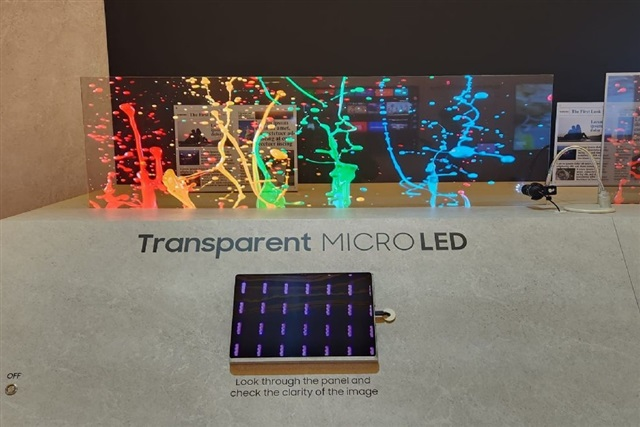
This article delves into the profound implications of Kyocera's decision. We will explore the core technological advantages that make Micro LED a game-changer, analyze how this acquisition strategically fortifies Kyocera's entire value chain from materials to systems, and finally, examine the broader competitive dynamics this move triggers within the global display industry.
The Micro LED Imperative: Beyond OLED's Limits
The race for display supremacy is increasingly defined by a technology measured in microns. Micro LED displays consist of arrays of microscopic, self-emissive inorganic light-emitting diodes. This fundamental architecture unlocks a suite of advantages that address critical pain points in existing technologies. Unlike OLEDs, which use organic compounds susceptible to degradation, Micro LEDs are incredibly stable, offering exceptional longevity and resistance to burn-in. They achieve dramatically higher peak brightness while consuming less power, a vital combination for outdoor applications and energy-conscious devices.
Furthermore, their modular nature allows for seamless, bezel-free tiling, making them ideal for immersive video walls and scalable displays of any size or shape. For Kyocera, a company with deep expertise in fine ceramics, semiconductor packaging, and precision manufacturing, the leap into Micro LED is a natural, albeit ambitious, progression. The technology demands mastery in mass transfer (placing millions of tiny chips), bonding, and defect management—areas where Kyocera's core competencies can be directly leveraged to overcome the industry's primary challenge: cost-effective manufacturing at scale.
Kyocera's Strategic Calculus: From Components to Systems
Kyocera's acquisition is a classic vertical integration play with a futuristic twist. Historically strong in B2B components like ceramic packages, cutting tools, and electronic parts, Kyocera has been seeking higher-margin, branded system solutions. Micro LED technology provides the perfect platform for this transformation. By internalizing the startup's IP and engineering talent, Kyocera can now control the entire stack—from the proprietary materials and driver ICs to the final display module or system.
This move strategically de-risks its supply chain and creates unique, differentiated products that competitors cannot easily replicate. It allows Kyocera to offer tailored solutions for high-value sectors such as automotive (transparent HUDs and robust dashboard displays), industrial and medical equipment (high-reliability monitors), and commercial signage. The goal is clear: to evolve from a supplier of parts to a leader in integrated display solutions, capturing a significantly larger portion of the value chain in the emerging Micro LED ecosystem.
Shifting the Competitive Landscape: A New Challenger Emerges
Kyocera's entry as an integrated player sends ripples across the global display arena. Traditionally dominated by South Korean giants like Samsung and LG in OLED, and Taiwanese manufacturers in LCD, the Micro LED field is still nascent and fragmented. Kyocera's formidable manufacturing pedigree, financial resources, and established B2B customer networks position it as a formidable new challenger. Its approach differs from pure-play panel makers; Kyocera is likely to focus initially on niche, high-performance applications where its technical prowess and reliability command a premium.
This forces incumbents to accelerate their own Micro LED roadmaps and potentially seek new partnerships. Moreover, it highlights the increasing convergence of materials science, semiconductor process, and display assembly. The competition is no longer just about panel production but about mastering a complex, interdisciplinary manufacturing puzzle. Kyocera's bet signals that the winners in the next display decade will be those who can innovate across this entire spectrum, not just in pixel design.
Kyocera's acquisition of a Micro LED startup is a definitive statement of intent, marking its transition from a component specialist to a systems innovator in a pivotal future technology. By marrying its legacy strengths in ceramics and precision engineering with cutting-edge Micro LED IP, the company is building a unique competitive moat. This strategic move not only accelerates the commercialization of Micro LED technology by addressing critical manufacturing hurdles but also intensifies the global race for display leadership. The outcome will influence the visual future of everything from cars and operating rooms to public spaces, proving that in the high-stakes world of advanced displays, forward integration is the new frontier of competition.


